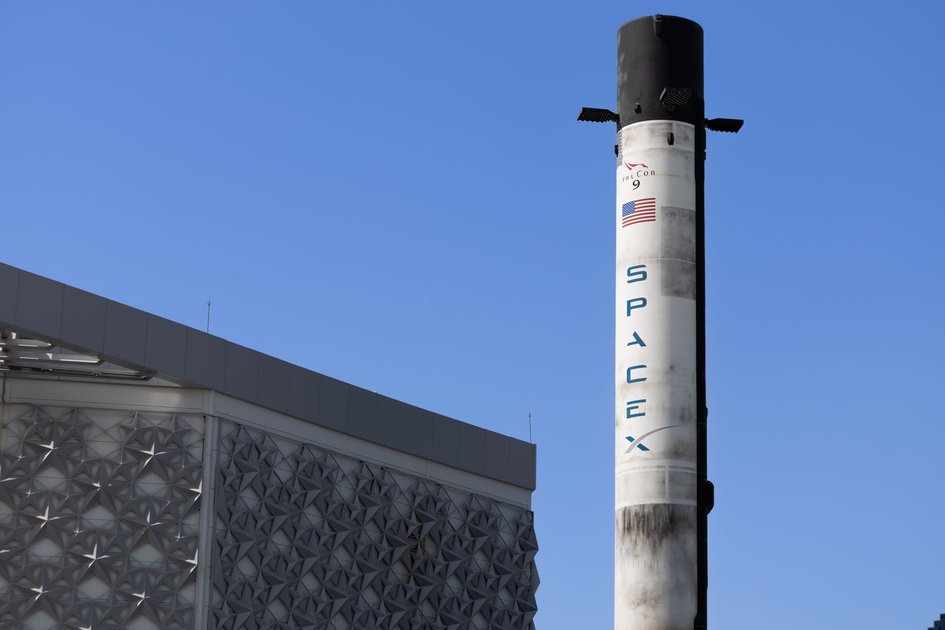
SpaceX made history on Thursday when it debuted on the Nasdaq stock exchange and immediately surged past a $2 trillion valuation, making it one of the most valuable companies in the world and catapulting founder Elon Musk to become the first person in history to accumulate a net worth exceeding $1 trillion. The SpaceX IPO had been one of the most anticipated market events in years, and it did not disappoint investors who had been waiting decades to own a piece of Musk’s rocket company.
Shares rose approximately 19% on the first day of trading, a remarkable debut that placed SpaceX’s market capitalization within striking distance of Amazon. The stock’s performance reflected years of pent-up demand from retail investors who previously had no way to own SpaceX stock, which had been restricted to institutional investors and wealthy accredited investors in private funding rounds.
What the SpaceX IPO Means for the Market
The listing changes the investment landscape in several important ways. SpaceX’s debut brings the commercial space sector into the mainstream stock market for the first time at this scale, and its $2 trillion valuation immediately makes it a candidate for major index inclusion. Index funds tracking the S&P 500 and Nasdaq 100 will eventually need to hold SpaceX shares, creating sustained institutional buying pressure that could support the stock price long after the IPO excitement fades.
Wall Street analysts were quick to weigh in on the implications:
- SpaceX closes in on Amazon’s market cap, putting it among the top five most valuable US companies.
- The IPO is expected to create roughly 4,400 employee millionaires among SpaceX staff who held equity compensation.
- Musk’s personal stake in SpaceX pushed his net worth past the $1 trillion mark, making him the world’s first trillionaire.
- The debut reframes the ‘AI trade’ narrative on Wall Street, shifting attention to physical-world technology companies that are building rockets, satellites, and autonomous vehicles.
SpaceX’s Business: What Investors Are Actually Buying
SpaceX is not just a rocket company anymore. The business has diversified significantly over the past decade, and understanding what investors are actually buying is important context for evaluating the valuation.
The company’s revenue comes from several distinct segments. Starlink, its satellite internet service, has grown to serve millions of customers globally and generates substantial recurring subscription revenue. Launch services for government and commercial customers – including NASA contracts and commercial satellite launches – form another core revenue stream. The Starship program, still in development, represents the long-term bet on interplanetary travel and point-to-point Earth transport. Together, these businesses give SpaceX a more defensible moat than a pure-play launch company would have.
Risks Investors Should Understand
Despite the euphoric debut, analysts cautioned that the $2 trillion valuation prices in an enormous amount of future success. SpaceX faces real competitive and regulatory risks:
- Rocket launch failures carry catastrophic financial consequences and can ground entire fleets for months during investigations.
- Starlink faces growing competition from Amazon’s Project Kuiper and European alternatives as satellite internet becomes a mainstream product category.
- Government contracts can be cancelled or restructured, creating revenue volatility that is difficult to model.
- Musk’s involvement in multiple high-profile ventures and political activities creates headline risk that could affect the stock independently of SpaceX’s actual performance.
What Happens Next
Following the IPO, SpaceX will face new obligations as a public company – quarterly earnings reports, SEC disclosure requirements, and scrutiny from analysts and activist investors. The company has historically operated with unusual secrecy for a business of its size, and adapting to life as a public company will be one of management’s key challenges in the months ahead. Musk has indicated SpaceX will continue pursuing its Mars mission regardless of public market pressures, but shareholders will inevitably push for capital allocation decisions that maximize returns in the near term.
Frequently Asked Questions
When did SpaceX go public?
SpaceX debuted on the Nasdaq stock exchange in June 2026, after years of remaining private despite pressure from investors and employees seeking liquidity.
What is SpaceX’s stock ticker?
SpaceX trades on the Nasdaq under a ticker that has not been confirmed in early reports – check your brokerage platform for the current symbol after the debut date.
Is Elon Musk really the world’s first trillionaire?
Yes. The combination of his SpaceX stake post-IPO, his Tesla holdings, and his other ventures pushed Musk past the $1 trillion net worth threshold on the day of the SpaceX debut, according to multiple financial media outlets including Al Jazeera and Reuters.

Trust Post Desk
A journalist and editor at TrustPost.org covering world and national news, technology updates and human-interest stories. They check every fact, interview sources in person or online, and aim to deliver clear, accurate reporting. Their work ranges from breaking news to in-depth features and daily newsletters. Outside the newsroom, they follow emerging trends and engage with readers on social media.