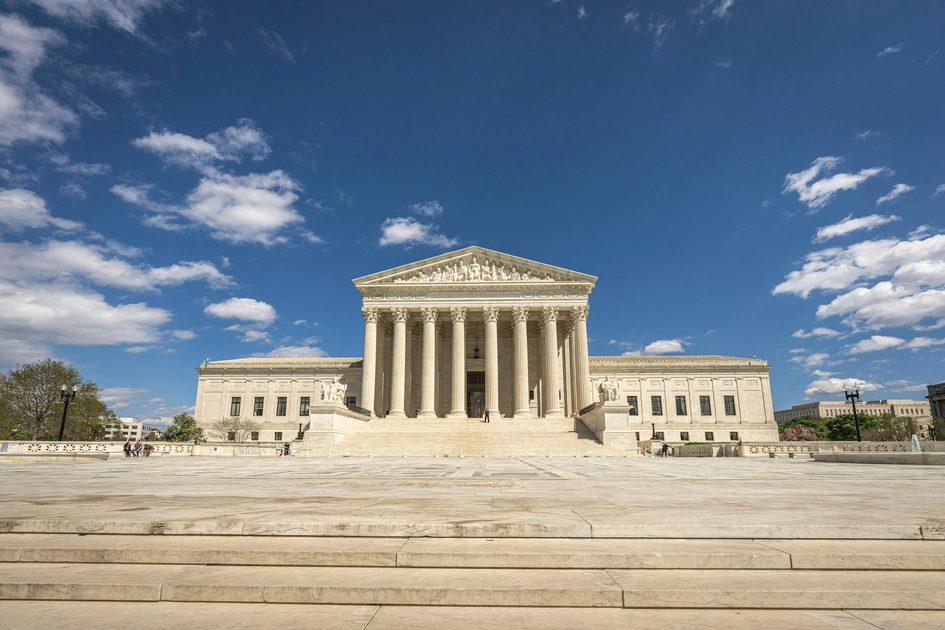
The Supreme Court of the United States delivered a significant ruling in Flowers Foods, Inc. v. Brock, addressing the scope of the Federal Arbitration Act (FAA) and its exemption for workers engaged in interstate commerce. The case, decided on June 9, 2026, revolved around whether a worker must cross state lines to qualify for this exemption. The Court unanimously held that a worker transporting goods on an intrastate leg of an interstate journey can qualify for the exemption without crossing state lines.
Flowers Foods, Inc., a major producer of packaged baked goods, relies on franchisees like Angelo Brock, who distributes products within Colorado. Brock sued Flowers in 2022, alleging underpayment, and Flowers sought to compel arbitration based on an agreement. However, both the district court and the Tenth Circuit denied this motion, citing the FAA’s exemption for workers engaged in interstate commerce. The Supreme Court affirmed this decision, clarifying the interpretation of the FAA’s Section 1 exemption.
Supreme Court’s Interpretation of Interstate Commerce
The Supreme Court’s decision, authored by Justice Gorsuch, emphasized that the statutory text of the FAA does not necessitate crossing state lines for a worker to be engaged in interstate commerce. The Court referenced historical precedents, such as The Daniel Ball case, to support its interpretation. In that case, a steamer operating entirely within Michigan was deemed engaged in interstate commerce because it transported goods destined for other states.
This interpretation aligns with previous rulings, including Southwest Airlines Co. v. Saxon, where the Court held that workers need not cross state lines to fall under the FAA’s exemption. The decision in Flowers Foods v. Brock further solidifies this understanding, rejecting the argument that interaction with vehicles crossing state lines is required.
Impact on Arbitration Agreements
The ruling has significant implications for arbitration agreements, particularly in industries relying on intrastate transportation as part of interstate commerce. By affirming that workers like Brock, who operate solely within a state but contribute to interstate commerce, are exempt from mandatory arbitration, the Court has expanded the scope of the FAA’s exemption.
This decision may influence future cases involving similar arbitration disputes, as it clarifies the criteria for determining a worker’s engagement in interstate commerce. Companies must now consider the broader context of their operations and the role of their workers in interstate commerce when drafting arbitration agreements.
Broader Context and Legal Precedents
The Flowers Foods v. Brock ruling is part of a broader trend in the Supreme Court’s approach to arbitration and interstate commerce. The Court has consistently expanded the interpretation of the FAA’s exemption, as seen in cases like New Prime Inc. v. Oliveira and Bissonnette v. LePage Bakeries Park St., LLC. These decisions collectively underscore the Court’s willingness to interpret the FAA’s language broadly, favoring worker protections over strict adherence to arbitration agreements.
This trend is particularly relevant in light of ongoing debates about the role of arbitration in employment disputes. As the Court continues to address these issues, its rulings will likely shape the landscape of arbitration and interstate commerce for years to come. The decision also reflects the Court’s broader engagement with issues of judicial power and federal regulation, as seen in other recent cases involving the Supreme Court’s role in regulatory matters.
Frequently Asked Questions
What was the main issue in Flowers Foods v. Brock?
The main issue was whether a worker must cross state lines to qualify for the Federal Arbitration Act’s exemption for workers engaged in interstate commerce.
How did the Supreme Court rule in this case?
The Supreme Court ruled that a worker transporting goods on an intrastate leg of an interstate journey can qualify for the FAA’s exemption without crossing state lines.
What are the implications of this ruling?
The ruling expands the scope of the FAA’s exemption, affecting arbitration agreements and potentially influencing future cases involving similar disputes.
Conclusion
The Supreme Court’s decision in Flowers Foods v. Brock marks a pivotal moment in the interpretation of the Federal Arbitration Act. By affirming that workers engaged in intrastate activities contributing to interstate commerce are exempt from mandatory arbitration, the Court has reinforced worker protections and clarified the scope of the FAA’s exemption. This ruling will likely have lasting implications for arbitration agreements and the broader legal landscape surrounding interstate commerce.

Trust Post Desk
A journalist and editor at TrustPost.org covering world and national news, technology updates and human-interest stories. They check every fact, interview sources in person or online, and aim to deliver clear, accurate reporting. Their work ranges from breaking news to in-depth features and daily newsletters. Outside the newsroom, they follow emerging trends and engage with readers on social media.