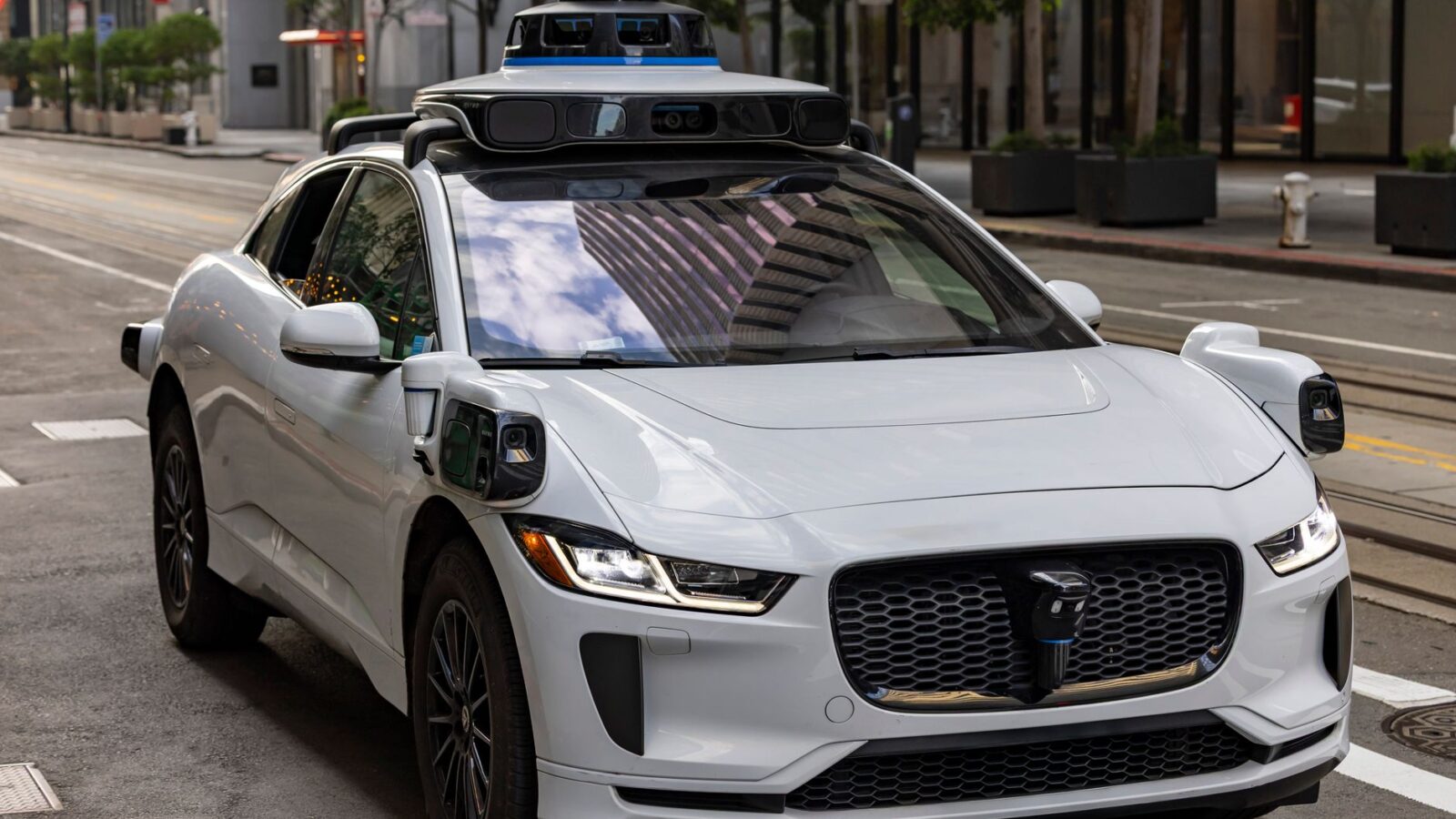
Tesla is pushing a robotaxi expansion toward seven US cities in 2026 after launching its first unsupervised service in Dallas and Houston.
The rollout marks a major test of Tesla’s self-driving ambitions in real-world conditions.
Dedicated Cybercab vehicles are entering production, though the ramp is expected to be gradual.
Tesla Robotaxi Expansion Across Cities
Tesla launched its first fully unsupervised robotaxi service in Dallas and Houston on April 18, 2026.
The company aims to operate robotaxis in seven US cities by June 2026.
Phoenix and Las Vegas are expected to come online next in the rollout.
Miami and Orlando could be delayed into the third quarter of 2026.
As CNBC reported, Musk expects robotaxis to spread widely this year.
Cybercab Production Ramps Up
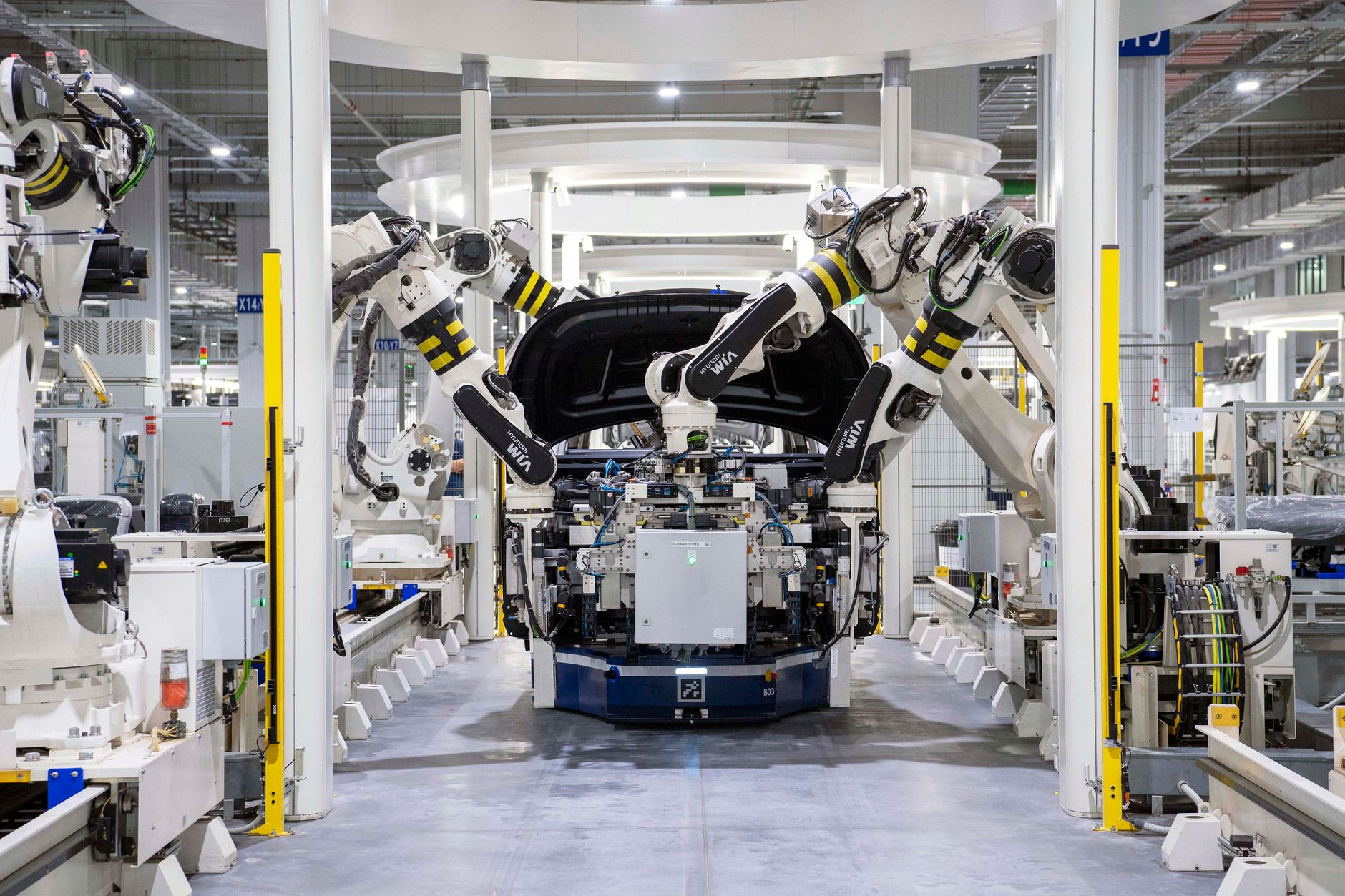
Tesla’s dedicated Cybercab is a two-seat autonomous vehicle built for robotaxi fleets.
Production began in the second quarter of 2026 but is ramping slowly.
Early output is measured in hundreds rather than thousands of units per month.
Meaningful Cybercab deployment in fleets is more likely a 2027 event.
Tesla EV Sales and Global Growth
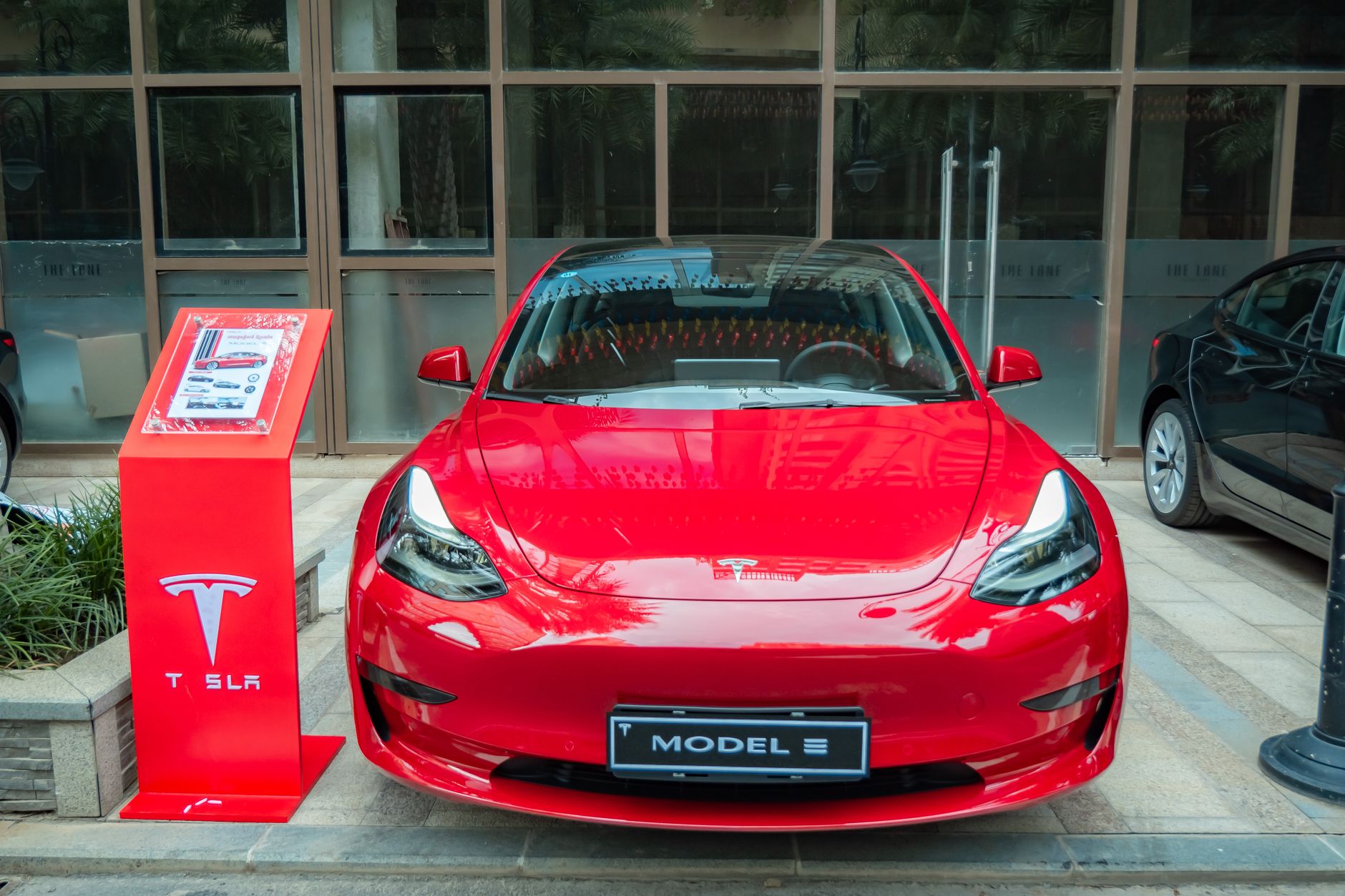
Analyst reports lifted Tesla’s second-quarter delivery forecast to about 420,000 vehicles.
Strong demand in Europe and China helped support that outlook.
Tesla recently opened a new Experience Center in Hyderabad, India.
The company introduced its 2026 Model Y lineup to additional markets.
Full Self-Driving Updates
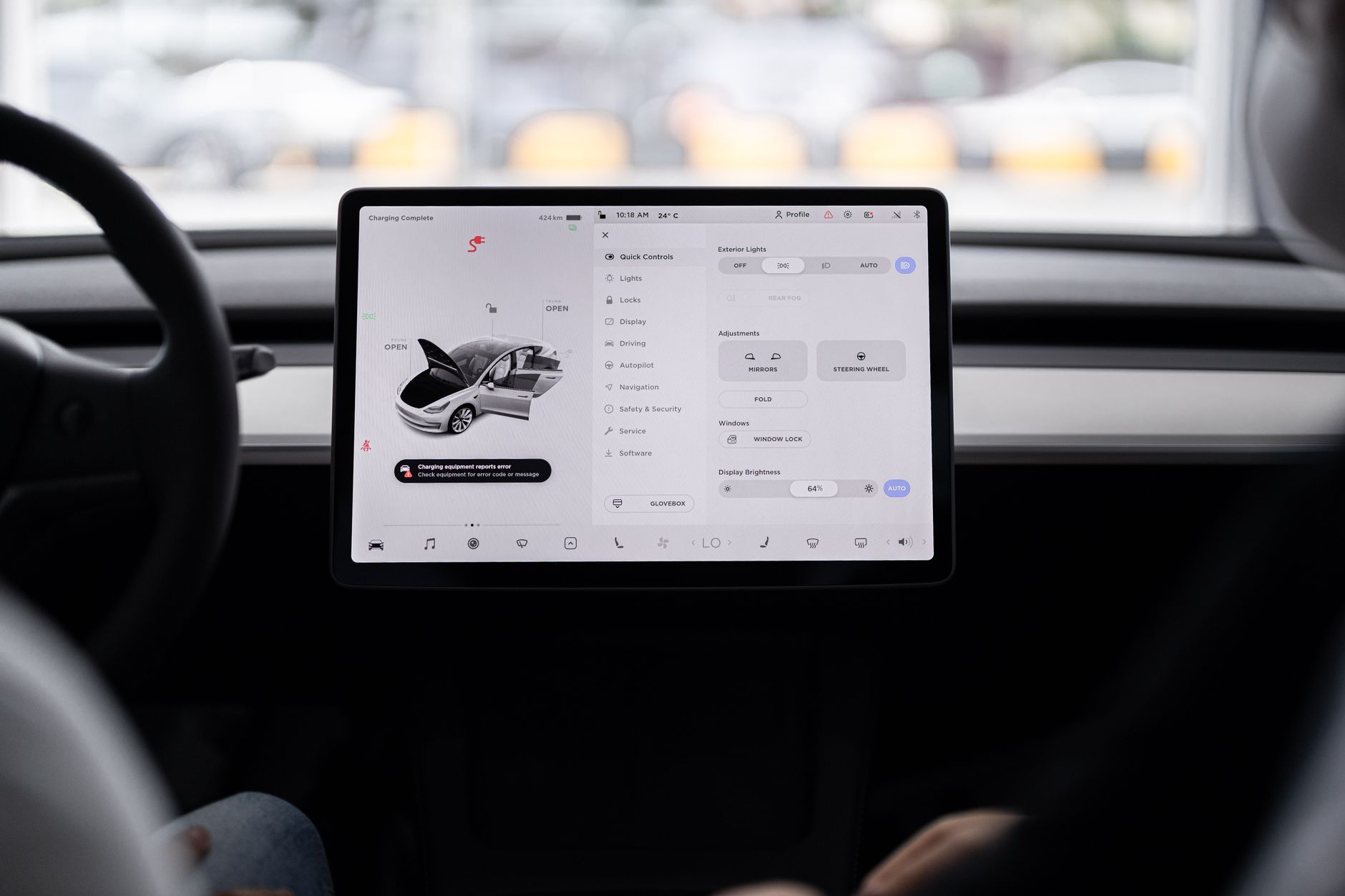
Tesla began deploying its latest Full Self-Driving Supervised updates, including version 14.3.4.
The update introduced improved parking behaviour and enhanced Smart Summon.
Self-driving software remains central to Tesla’s robotaxi strategy.
Regulators continue to scrutinise the safety of autonomous driving systems.
For more on cutting-edge tech, see our WWDC 2026 coverage.
As Electrek reported, some city launches faced delays.
Tesla aims to operate driverless ride-hailing across major US metro areas.
The robotaxi rollout has progressed city by city through the year.
Each new market requires regulatory approval before driverless rides begin.
Tesla shares have moved sharply on robotaxi progress and setbacks.
The Cybercab represents Tesla’s purpose-built autonomous vehicle.
Rivals are also racing to deploy self-driving ride services.
Tesla regained its position as one of the world’s leading EV makers.
The robotaxi push is a cornerstone of Musk’s vision for the company.
Investors are watching closely to see how quickly the service scales.
Autonomous ride-hailing could reshape urban transport if it succeeds.
Tesla faces competition from other self-driving and ride-hailing firms.
The Cybercab is designed without a steering wheel or pedals.
Safety data from early cities will be critical for wider approval.
Demand for Tesla vehicles strengthened in key international markets.
The FSD updates aim to make everyday driving smoother and safer.
Analysts remain divided on how fast robotaxis will become mainstream.
Tesla continues to expand its charging and service network globally.
Tesla plans to expand the service to more cities through the year.
Regulators will weigh safety data from each new market.
The robotaxi push remains central to Tesla’s long-term strategy.
Investors are watching the rollout pace closely.
Related Articles
Qualcomm Acquires AI Startup Modular in $3.9 Billion Deal
Best Wireless Earbuds 2026: A Buying Guide to Top Picks
Apple WWDC 2026: Siri AI and Apple Intelligence Take Center Stage

Trust Post Desk
A journalist and editor at TrustPost.org covering world and national news, technology updates and human-interest stories. They check every fact, interview sources in person or online, and aim to deliver clear, accurate reporting. Their work ranges from breaking news to in-depth features and daily newsletters. Outside the newsroom, they follow emerging trends and engage with readers on social media.