Inflation is one of the most important forces shaping your financial life, yet many people only notice it when prices jump at the grocery store or the gas pump. Understanding what inflation is, why it happens, and how it quietly erodes the value of your money is essential to making smart financial decisions. Without accounting for inflation, even careful savers can find their wealth slowly shrinking in real terms.
This guide explains exactly what inflation is, what causes it, how it affects your savings and investments, and what you can do to protect your money against it. Inflation is not something to fear so much as something to understand and plan for. With the right knowledge, you can position your finances to stay ahead of rising prices rather than fall behind them.
What Inflation Actually Is
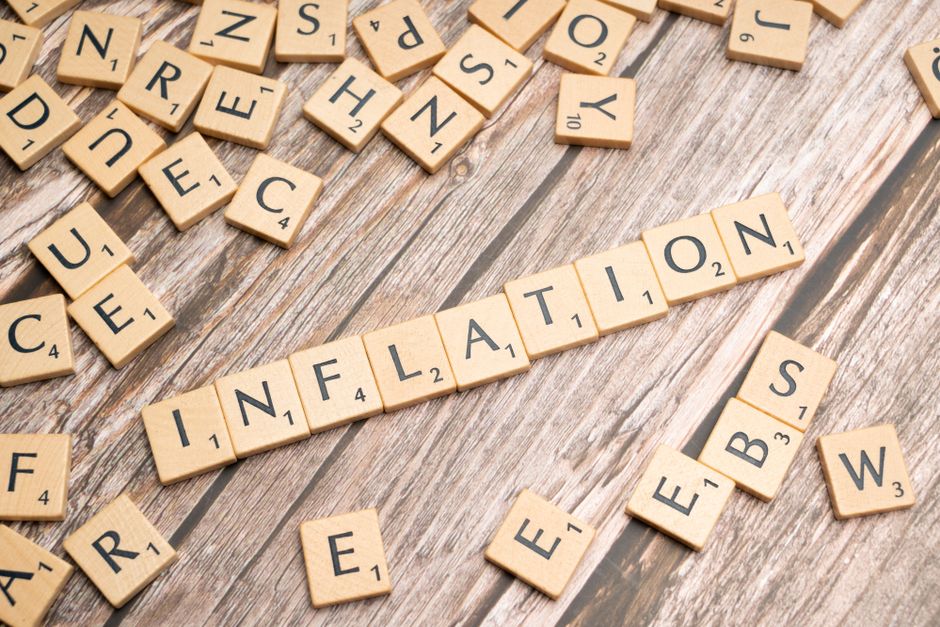
Inflation is the gradual increase in the prices of goods and services over time, which reduces the purchasing power of your money. Put simply, when inflation rises, each dollar you hold buys a little less than it did before. A basket of groceries that cost $100 a few years ago might cost $115 today, even though it contains the exact same items.
Economists measure inflation using price indexes that track the cost of a typical basket of goods and services. In the United States, the Bureau of Labor Statistics publishes the Consumer Price Index, the most widely watched measure of inflation. When you hear that inflation is running at 3 percent, it means that, on average, prices are about 3 percent higher than they were a year earlier.
What Causes Inflation
Inflation generally arises from a few main sources. Demand-pull inflation happens when demand for goods and services outpaces the economy’s ability to supply them, pushing prices up. Cost-push inflation occurs when the cost of producing goods rises, such as from higher wages or more expensive raw materials, and businesses pass those costs on to consumers.
The money supply also plays a central role. When more money circulates in an economy relative to the goods available, each unit of currency tends to lose value, contributing to inflation. As the Federal Reserve explains, central banks aim to keep inflation low and stable, typically targeting around 2 percent a year, which is considered healthy for a growing economy.
How Inflation Erodes Your Savings
The most direct effect of inflation on individuals is the erosion of purchasing power, and it hits cash savings hardest. If your money sits in an account earning little or no interest while inflation runs at 3 percent, you effectively lose 3 percent of its real value each year. The number in your account stays the same, but what it can buy steadily shrinks.
This is why holding too much money in a low-interest account can be a hidden mistake. While you need accessible cash for emergencies and short-term needs, money that simply sits idle loses ground to inflation over time. Keeping that cash in a high-yield savings account at least helps it earn interest that offsets some of inflation’s bite.
How Inflation Affects Investments
Inflation affects different investments in different ways. Cash and traditional savings accounts tend to lose real value when inflation outpaces their interest rates. Bonds can also suffer, because the fixed interest they pay becomes worth less in real terms as prices rise, and rising inflation often leads to higher interest rates that push existing bond prices down.
Stocks, on the other hand, have historically been one of the best long-term hedges against inflation. Companies can often raise their prices along with inflation, growing their revenues and profits over time. This is a key reason that investing in a diversified mix of stocks and bonds is so important for preserving and growing wealth across decades of rising prices.
Why Inflation Makes Investing Essential
Inflation transforms investing from an optional activity into a financial necessity for long-term goals. If you simply save cash for retirement decades away, inflation will dramatically reduce what that money can buy by the time you need it. To preserve and grow your purchasing power over the long run, your money generally needs to earn a return that outpaces inflation.
Historically, the broad stock market has delivered long-term returns well above the rate of inflation, which is why low-cost index funds are a cornerstone of building real wealth. Our guide to index fund investing explains how to capture these returns simply and cheaply. By investing for the long term, you give your money the chance to grow faster than prices rise.
How to Protect Your Money From Inflation
Several strategies help shield your finances from inflation. The most important is investing for long-term goals rather than holding everything in cash, since growth-oriented assets like stocks tend to outpace inflation over time. Keeping your emergency fund and short-term savings in a high-yield account ensures even your cash earns something to offset rising prices.
Other tools include inflation-protected government bonds, whose value adjusts with inflation, and real assets like real estate, which often rise in value alongside prices. Diversifying across these different asset types provides broad protection. The key principle is to avoid letting large sums of money sit idle, where inflation can quietly erode it year after year without you noticing.
Living With Inflation Day to Day
Beyond investing, a few everyday habits help you cope with inflation. Reviewing and adjusting your budget periodically ensures your spending plan keeps pace with rising costs, especially in categories like groceries, housing, and transportation. Negotiating raises that at least match inflation protects your income’s real value, since a flat salary effectively shrinks every year prices rise.
Being intentional about spending also matters more when prices climb. Cutting waste, comparison shopping, and prioritizing needs over wants all help your money stretch further. Our guide on the 50/30/20 budgeting rule offers a simple framework for managing your money that adapts well to an inflationary environment. Small, consistent adjustments keep your finances resilient as costs change.
Inflation vs Deflation: The Other Side
While inflation gets most of the attention, its opposite, deflation, is also worth understanding. Deflation is a general fall in prices over time, which might sound appealing but can actually be harmful to an economy. When prices fall, people often delay purchases expecting even lower prices later, which slows spending, reduces business revenue, and can lead to job losses and a shrinking economy.
This is part of why central banks aim for low, steady inflation of around 2 percent rather than zero or negative inflation. A small, predictable amount of inflation encourages spending and investment while preserving most of your money’s value. Understanding both sides helps you see why moderate inflation is considered normal and healthy, and why the goal is stability rather than the complete absence of rising prices.
How Inflation Affects Borrowers and Savers Differently
Inflation does not affect everyone the same way, and it can actually benefit some people. Borrowers with fixed-rate debt, such as a fixed-rate mortgage, can come out ahead during inflation, because they repay their loans with dollars that are worth less than when they borrowed them. The real burden of their fixed debt effectively shrinks as prices and wages rise around it.
Savers holding cash, on the other hand, are hurt most by inflation, since their idle money loses purchasing power. This contrast highlights an important lesson: in an inflationary world, holding too much cash is risky in its own way, while owning appreciating assets and fixed-rate debt can work in your favor. Positioning your finances with this dynamic in mind helps you stay ahead of rising prices.
None of this means you should abandon cash savings entirely, since you still need an accessible cushion for emergencies and short-term needs. The lesson is one of balance: keep enough safe, liquid money to handle life’s surprises, but put your long-term money to work in assets that grow faster than inflation. Striking that balance is the practical key to protecting and building wealth over a lifetime of changing prices.
Frequently Asked Questions
What is inflation in simple terms?
Inflation is the gradual rise in the prices of goods and services over time, which reduces how much your money can buy. When inflation rises, each dollar you hold purchases a little less than it did before.
What causes inflation?
Inflation can be driven by demand outpacing supply, rising production costs that businesses pass on to consumers, and increases in the money supply relative to available goods. Central banks try to keep inflation low and stable.
How does inflation affect my savings?
Inflation erodes the purchasing power of cash. If your savings earn less interest than the inflation rate, your money loses real value over time even though the balance stays the same. High-yield accounts help offset some of this.
How can I protect my money from inflation?
Invest for long-term goals in assets like stocks that historically outpace inflation, keep cash in high-yield accounts, and consider inflation-protected bonds and real assets. Avoid letting large sums sit idle in low-interest accounts.
Related Articles
Index Funds Explained: A Beginner’s Guide

Trust Post Desk
A journalist and editor at TrustPost.org covering world and national news, technology updates and human-interest stories. They check every fact, interview sources in person or online, and aim to deliver clear, accurate reporting. Their work ranges from breaking news to in-depth features and daily newsletters. Outside the newsroom, they follow emerging trends and engage with readers on social media.