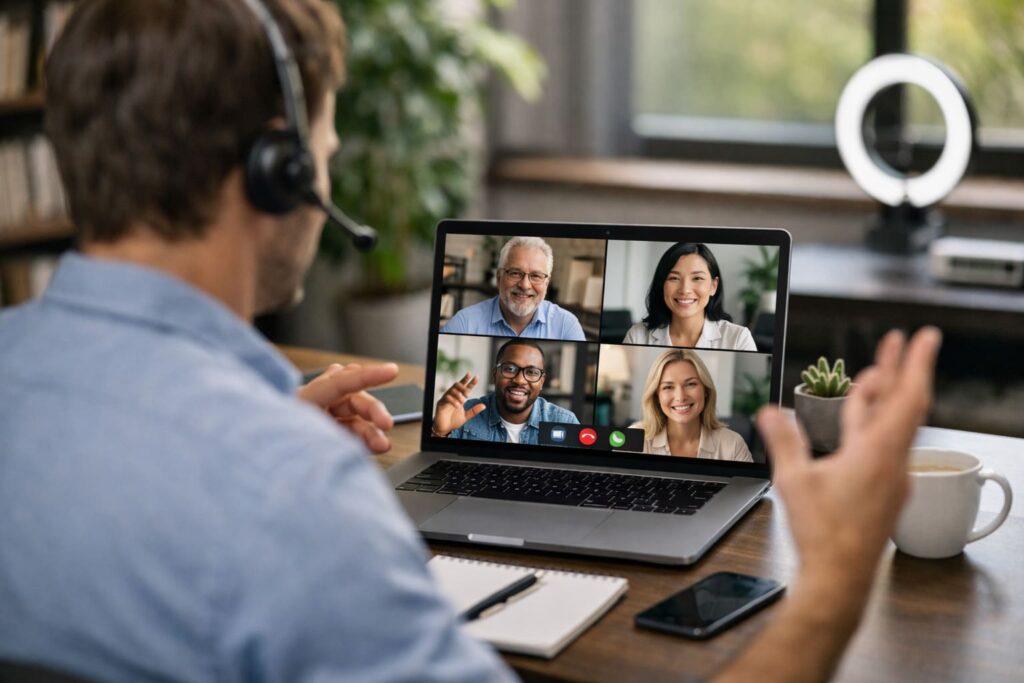
Virtual meeting etiquette is the collection of professional standards that govern how we interact during video conferences and digital collaborations. As the workplace continues to shift toward hybrid and remote models, these rules serve as the foundation for clear communication and mutual respect. Following proper etiquette ensures that meetings remain productive and that participants avoid the common pitfalls of “digital fatigue.”
Whether you are a seasoned remote worker or new to the digital office, mastering these ten behaviors is critical for maintaining a professional reputation.
Why is adhering to virtual meeting standards necessary?
Without the physical cues of a traditional office, virtual meetings can easily become chaotic or unproductive. Etiquette provides the structure needed to bridge the gap between physical and digital spaces.
- Minimizes Distractions: Clear rules prevent background noise and visual clutter from derailing the agenda.
- Promotes Equality: Proper etiquette ensures that remote participants have the same “seat at the table” as those in a physical office.
- Saves Time: When everyone follows the same protocol for joining and speaking, meetings start and end on time.
10 Essential Virtual Meeting Etiquettes Every Professional Should Know
To maintain a high standard of professionalism, incorporate these ten specific behaviors into every digital call.
1. The “Mute by Default” Protocol
Always join a meeting with your microphone muted. Background noise—such as a humming air conditioner, a clicking keyboard, or a distant siren—is significantly amplified over conferencing software. Only unmute when you are actively contributing to the conversation, and return to mute immediately afterward.
2. Test Your Technology in Advance
Punctuality in a virtual meeting begins five minutes before the start time. Use this time to test your microphone, speakers, and internet stability. Joining a call and spending the first three minutes saying, “Can you hear me now?” disrupts the flow and signals a lack of preparation.
3. Maintain Eye Contact with the Camera

To create a sense of genuine connection, look directly into your camera lens when speaking, rather than at your own image or the faces of others on the screen. This simulates the eye contact found in face-to-face meetings and makes your delivery feel more persuasive.
4. Optimize Your Lighting and Background
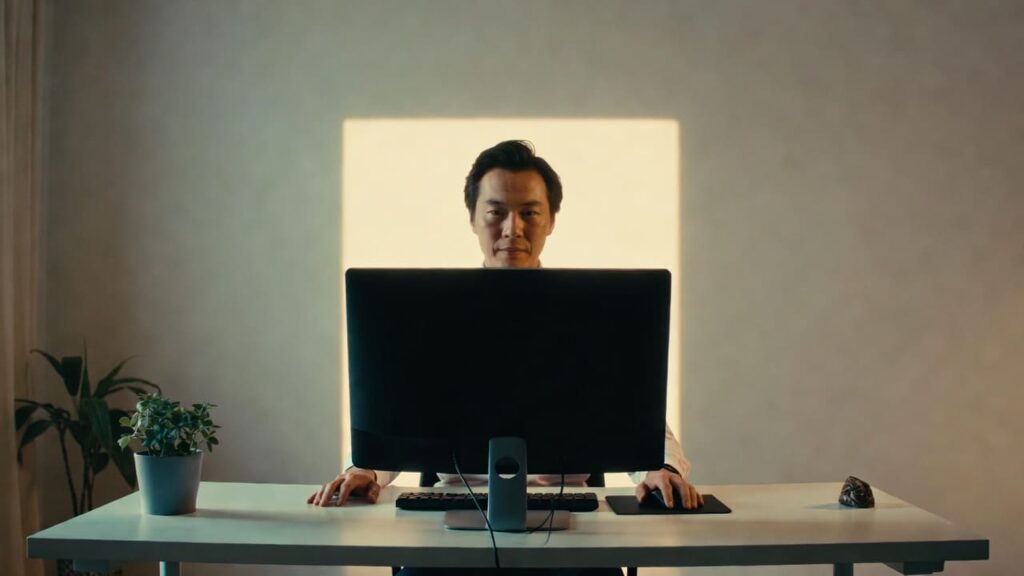
Your environment is a reflection of your professional space. Ensure your primary light source is in front of you (not behind you) to avoid appearing as a silhouette. Use a professional, uncluttered background or a slight blur effect to keep the focus on you rather than your surroundings.
5. Dress for the Occasion
While working from home allows for comfort, your attire should match the tone of the meeting. Dressing professionally (typically business casual) shows respect for the participants and helps you maintain a “work mode” mindset.
6. Use Digital Interaction Tools
To avoid talking over colleagues, utilize the “Raise Hand” feature or the chat box for questions. These tools allow the host to manage the conversation flow without the awkwardness of multiple people speaking at once.
7. Stay Present and Avoid Multitasking
It is tempting to check emails or finish a report during a meeting, but digital distraction is often visible to others. Keep your eyes on the screen, avoid visible typing unless taking notes, and keep your phone out of reach to ensure you are fully engaged.
8. Mind Your Body Language
On camera, small movements are magnified. Avoid excessive fidgeting, touching your face, or leaning too close to the lens. Instead, use active listening cues like nodding to show you are following the discussion.
9. Be Mindful of Time (The “Hard Stop”)
Respecting the scheduled end time is a major sign of professional courtesy. If a meeting is scheduled for 30 minutes, ensure all points are covered within that window. If you are the host, announce when there are five minutes remaining to wrap up action items.
10. Announce Your Presence in Large Groups
In meetings with many participants, always state your name briefly before making a point (e.g., “This is Sarah; I have a question about…”). This helps others identify who is speaking without having to scan the gallery view.
Quick Reference: Virtual Meeting Dos and Don’ts
| Category | The “Do” | The “Don’t” |
| Audio | Use a headset for better clarity. | Use laptop speakers in a noisy room. |
| Video | Position the camera at eye level. | Set the camera too low (the “ceiling view”). |
| Engagement | Use the chat for quick “+1” comments. | Interrupt a speaker mid-sentence. |
| Environment | Inform housemates you are in a meeting. | Hold meetings in high-traffic areas. |
Frequently Asked Questions
Is it rude to turn off my camera if I’m not speaking?
If the meeting is a large presentation, it is often acceptable to turn your camera off to save bandwidth. However, in small team meetings or one-on-ones, keeping your camera on is considered the standard for engagement.
Should I ask for permission before recording a call?
Yes. In 2026, privacy standards require explicit consent from all participants before recording or using an AI transcription tool.
How do I handle a “frozen” screen or technical lag?
If your connection becomes unstable, turn off your video to prioritize audio. If the issue persists, post a quick note in the chat and try rejoining the call.
Conclusion
Virtual meeting etiquette is about more than just technology; it is about empathy and professional respect. By following these 10 essential rules, you create an environment where ideas can be shared without friction. Treating every digital interaction with the same gravity as an in-person meeting ensures you remain a valued and effective member of any team.
Also read:
- What Is Sample Size Calculator And How To Use It?
- Cloud Security Best Practices: Simple Ways to Keep Your Data Safe
- Feature-Benefit Selling: Practical Explanation of How It Really Works