
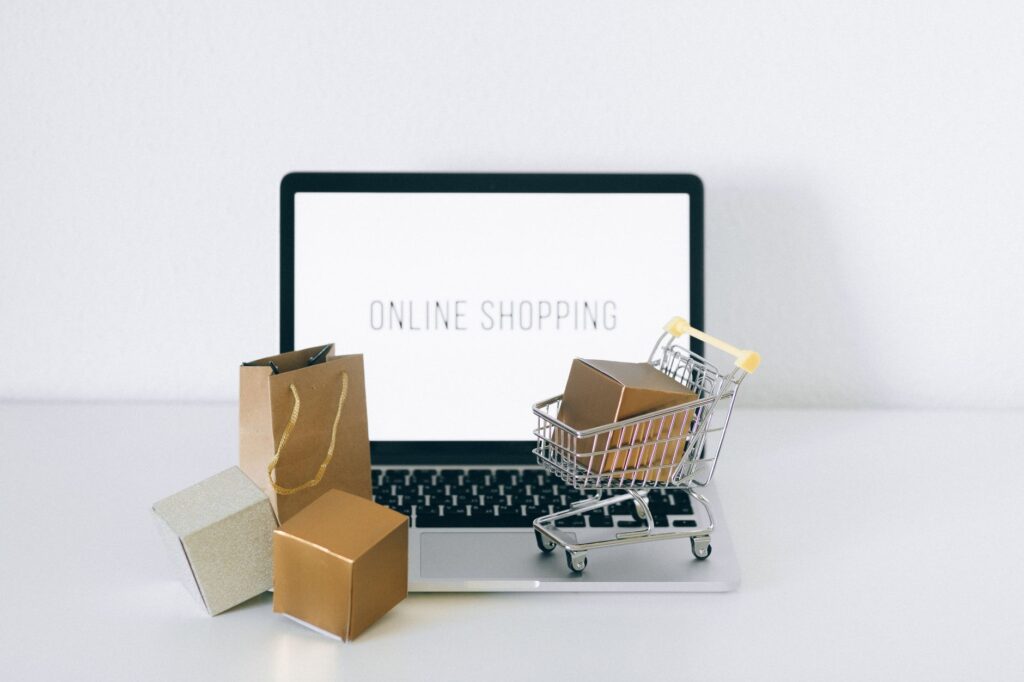
What is dropshipping? It is a retail fulfillment method where an online store sells products it does not keep in stock. When a customer places an order, the store buys the item from a third-party supplier, who then ships it straight to the customer. The store owner never touches the product, never holds inventory, and never runs a warehouse. That single difference from traditional retail is what makes dropshipping the most accessible way to start an online store, and also the most misunderstood.
This guide explains the model in plain terms: how a sale actually flows, where your money comes from, and the honest advantages and drawbacks before you commit time or cash. It is the starting point of our wider guide to starting a dropshipping business, which covers costs, suppliers, and marketing in depth once the basics here make sense.
| Element | Dropshipping | Traditional retail |
|---|---|---|
| Inventory | None; supplier holds stock | You buy and store it upfront |
| Upfront cost | Low | High |
| Who ships | The supplier | You |
| Profit | Retail price minus wholesale and costs | Retail price minus wholesale |
| Main risk | No control over fulfillment | Unsold inventory |
What Is Dropshipping, Exactly?
Dropshipping is a supply-chain arrangement, not a special app or a secret system. The retail method has existed for decades in catalog and mail-order businesses; ecommerce simply made it available to anyone with a laptop. You act as the storefront and the marketer, while a manufacturer or wholesaler acts as the invisible warehouse and courier.
The defining feature is that you sell first and buy second. In a normal shop, you purchase stock and hope it sells. In dropshipping, a customer’s order and payment come in before you ever pay your supplier, so you are never left holding goods nobody wanted. That reversal is the whole appeal, and it is why the model carries almost no inventory risk.
How Dropshipping Works in Five Steps
Every dropshipping transaction follows the same simple sequence:
- A shopper visits your store and buys a product at your retail price.
- You place the same order with your supplier and pay their lower wholesale price, passing on the customer’s shipping details.
- The supplier packs and ships the item directly to your customer, often with your branding on the packing slip.
- The difference between the two prices, minus your costs, is your profit.
- You manage the customer relationship, from questions to returns, as the face of the sale.
Notice what you own and what you do not. You own the store, the brand, the pricing, and the customer experience. You do not own the stock or the shipping, which is both the freedom and the fragility of the model. Software usually automates step two, syncing orders to the supplier the moment a sale is made. In that sense a dropshipping store is a normal ecommerce business with its fulfillment outsourced.
Where the Profit Comes From
Your margin is the retail price you set minus what you pay the supplier and your operating costs. If you sell a product for $40 that costs you $18 from the supplier, your gross margin is $22, but that is not your take-home. Real profit only appears after you subtract:
- Payment processing fees on every transaction
- Platform and app costs spread across your sales
- Marketing spend, usually the largest cost and the one that decides profitability
- Refunds and disputes, which eat into margins on problem orders
This is why experienced sellers obsess over the gap between profit per order and the cost to acquire a customer. A product with a thin margin cannot absorb advertising costs, so choosing items with enough markup is a survival decision, not a detail. A common rule of thumb is to target products you can sell for at least two to three times their supplier cost, giving the margin room to absorb ads, fees, and the occasional refund while still leaving a profit.
Who Dropshipping Is Actually For
The model fits some people far better than others, and being honest about that upfront saves months of frustration. It suits beginners who want to learn ecommerce cheaply, existing brands testing new products before committing to inventory, and marketers who are good at reaching an audience and want products to sell them. It fits far less well anyone expecting hands-off passive income, because the day-to-day work of customer service, supplier chasing, and ad testing is constant.
It also rewards a particular temperament. Because margins are thin and competition is heavy, the winners tend to be patient operators who treat the store like a small business, track their numbers, and improve steadily, much like the mindset in our guide to running any independent income. If you want a lottery ticket, dropshipping is the wrong game; if you want a low-risk way to build a real online store, it is one of the best on-ramps available.
Dropshipping vs Holding Inventory
The clearest way to understand dropshipping is to compare it with the traditional route of buying stock. With inventory, you commit money upfront, store the goods, and control packing and shipping speed, which means better margins and a tighter customer experience but real financial risk if products do not sell. With dropshipping, you commit nothing upfront and carry no dead stock, trading away control over fulfillment and some margin in exchange.
Neither is universally better. Many successful stores start with dropshipping to discover which products sell, then switch their proven winners to held inventory for higher margins and faster shipping. Seen that way, dropshipping is less a permanent business model than a low-risk testing ground that can graduate into a fuller ecommerce operation once the demand is proven.
The Real Pros and Cons
Dropshipping earns its popularity honestly, but the same features that make it easy to start also make it hard to win at. The advantages are real:
- Low startup cost because you buy no inventory
- Low risk, since unsold stock is never your problem
- Location freedom, as the business runs from a laptop
- Easy testing of new products without committing money to them
The drawbacks are just as real and are where beginners get hurt. You have no control over shipping speed or stock levels, so a supplier’s mistake becomes your bad review. Margins are thin because competitors can sell the identical product, and the market is saturated, which pushes all the difficulty onto marketing. The model rewards people who build a brand and manage suppliers carefully, and punishes those who expect passive income from copying a trending product.
Common Misconceptions About Dropshipping
Because the model is marketed so heavily, it collects myths that set beginners up to fail. Clearing them up early changes how you approach the business:
- “It is passive income.” It is not. Marketing, customer service, and supplier management are daily work, and stepping away usually means sales stop.
- “You need no money.” You need little for inventory, but a marketing budget to find customers is essential; a store with no traffic makes no sales.
- “One viral product makes you rich.” Trending products are copied within days, collapsing margins. Durable stores are built on a brand and a niche, not a single item.
- “The supplier handles everything.” The supplier handles fulfillment only. Every customer-facing problem, from a late parcel to a refund, lands on you.
Strip away the myths and dropshipping is simply a lean way to run a retail store: real work, real skills, and real potential, without the inventory risk that sinks traditional shops. Understanding that honestly is the difference between treating it as a business and treating it as a gamble.
Frequently Asked Questions
Is dropshipping the same as selling on Amazon?
Not quite. Dropshipping is a fulfillment method you can use on your own store or on marketplaces. Selling on Amazon can involve holding your own stock, using Amazon’s fulfillment, or dropshipping under Amazon’s specific rules. The core dropshipping idea, that a supplier ships directly to the buyer, can apply across many sales channels.
Do I ever handle the products myself?
No. In a pure dropshipping model you never see, store, or ship the products. Your supplier handles all of that. This is what keeps costs low, but it also means you should order samples yourself before selling, so you actually know the quality your customers will receive.
How is dropshipping different from a normal online store?
A normal online store buys inventory upfront and ships orders itself, carrying the risk of unsold stock. A dropshipping store buys each item only after a customer has paid, and the supplier ships it. The customer experience can look identical; the difference is entirely in who holds inventory and handles fulfillment behind the scenes.
Is dropshipping worth starting as a beginner?
It can be, because the low startup cost lets you learn ecommerce without risking much money. But it is a real business that rewards effort in marketing and supplier management, not a shortcut to easy income. Beginners who treat it seriously and start with a focused niche have the best odds.
Related Articles

Get the TrustPost briefing
The stories that matter, in your inbox. No spam, unsubscribe anytime.
Newsletter signup will be available soon.
Related stories
Dropshipping Marketing: How to Get Your First Sales
Dropshipping marketing that works in 2026: the channels worth using, the profit numbers that matter, how to get first sales, and the mistakes that waste budget.
Amazon Dropshipping: How It Works and the Rules
Amazon dropshipping explained: how it works, Amazon's strict policy, the seller-of-record rule, the pros and cons, and mistakes that get accounts banned.
How to Start a Shopify Dropshipping Store
How to set up a Shopify dropshipping store step by step: account, supplier apps, product pages, fees, and the settings beginners get wrong before launch.