
Dropshipping marketing is where most stores are won or lost, because finding products is easy and getting profitable traffic is hard. You can build a beautiful store with great products and still make zero sales if nobody visits it, and the majority of dropshipping failures trace back to marketing rather than the products themselves. This guide covers the marketing channels that actually work for dropshipping in 2026, how to think about the numbers that keep you profitable, and how to get your first sales without burning your budget.
It is the growth half of the business, complementing the build covered in our platforms guide, and it puts into practice the margin math from our look at dropshipping profitability. It all sits within the broader guide to starting a dropshipping business.
| Channel | Speed | Cost |
|---|---|---|
| Paid social ads | Fast | High, ongoing |
| Organic social / short video | Slow to build | Time, not money |
| Search engine optimization | Slowest | Time, compounds free |
| Influencer marketing | Medium | Varies by creator |
| Email marketing | Builds over time | Low, high return |
Dropshipping Marketing Channels That Work
Effective dropshipping marketing usually means combining a fast channel to get sales now with a slow channel that lowers your costs over time. Relying on only one leaves you either burning cash or waiting forever. The realistic options are:
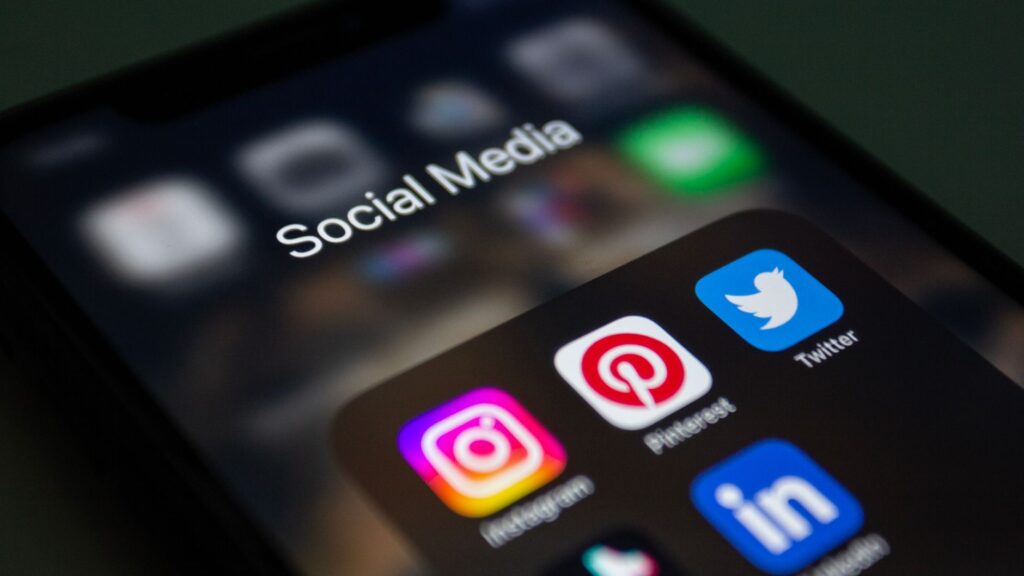
- Paid social ads on TikTok, Instagram, and Facebook: the fastest way to test products and get sales, but expensive and requiring constant creative testing
- Organic social and short video: slower to build but far cheaper, and a single viral video can outperform a large ad budget
- Search engine optimization: the long game of ranking your store and content, using SEO to earn free traffic that compounds
- Influencer partnerships: effective in tight niches where a creator already has exactly your audience
- Email marketing: the highest-return channel over time, turning one-time buyers into repeat customers at almost no cost
A common winning combination is paid ads to find products and make early sales, short-form video to build cheaper organic reach, and email to maximize the value of every customer you acquire. That mix hedges the speed of paid traffic against the low cost of owned traffic.
The Numbers That Keep You Profitable
All digital marketing for dropshipping comes down to one relationship: your profit per order must exceed what it costs to acquire that order. If a sale earns you $15 of margin but costs $20 in ads to make, you lose money on every order, and scaling only loses it faster. The metrics to watch are:
- Customer acquisition cost: total ad spend divided by the number of customers it produced
- Profit per order: your margin after product cost, fees, and shipping
- Conversion rate: the share of visitors who buy, since improving it makes all your traffic cheaper
- Average order value: revenue per order, which bundles and upsells can raise without new ad spend
- Customer lifetime value: total profit from a customer over time, which email and repeat sales increase
The trap beginners fall into is judging ads by likes or clicks instead of profit. A campaign with great engagement that loses money is a failure; a boring one that quietly clears a profit is a success. Let those numbers, not vanity metrics, decide where every dollar goes.
Getting Your First Sales
The first sales are the hardest, because you have no data and no proof the store works. A sensible starting sequence keeps risk low while you learn:
- Pick one channel to start. Trying every channel at once splits a small budget too thin; master one before adding another.
- Test with a small budget. Run modest ad tests on a few products to see which gets clicks and sales, not just attention.
- Read the data honestly. Kill what loses money quickly and put more behind what profits, rather than hoping a losing product turns around.
- Improve the store, not just the ads. If people click but do not buy, the problem is your page, price, or trust signals.
- Scale winners carefully, increasing spend gradually so your profit margin holds as volume grows.
Early marketing is really paid research: you are spending to learn which product and channel combination works. Treat the first weeks as buying data, expect most tests to fail, and double down the moment one clears a profit.
Why Owned Traffic Beats Rented Traffic
Paid ads are rented traffic: the moment you stop paying, the visitors stop. That is fine for testing and fast sales, but a business built only on ads is fragile, always at the mercy of rising ad costs and platform changes. The sellers who build durable, profitable stores invest in owned traffic alongside their ads.
Owned traffic is anything you do not pay for per visit: an email list, an engaged social following, or content that ranks in search. It takes longer to build but compounds, lowering your average acquisition cost over time and giving you a channel no ad platform can switch off. The strategic goal is to use paid ads to bootstrap sales while steadily converting that momentum into owned audiences, so the store becomes cheaper and more resilient to run every month.
Choosing the Right Channel for Your Store
The best channel depends on your product, budget, and skills, so match rather than copy what worked for someone else:
- Visual, impulse products: short-form video and paid social shine, because a quick demo sells the item on sight
- Considered or researched purchases: SEO and content marketing win, capturing people actively searching for a solution
- Niche, community-driven products: influencer partnerships reach a passionate audience a creator has already gathered
- Repeat-purchase products: email marketing compounds, turning each first sale into many
- Tight budgets: organic video and content trade time for money and can grow a store with little cash
Start with the one channel that best fits your product and get good at it before adding another. Spreading a small budget and your attention across five channels at once almost guarantees that none of them gets the focus it needs to work. Depth beats breadth in marketing just as it does in product selection.
Marketing Mistakes That Waste Money
The common, expensive errors are avoidable once you know them:
- Scaling too fast, pouring money into a campaign before you know it is profitable
- Chasing vanity metrics like likes and views instead of profit per order
- Ignoring the store, spending on ads while a weak product page kills conversions
- Relying on a single channel, leaving the business exposed if its cost or rules change
- Neglecting email, and paying to acquire customers you then never contact again
Each mistake shares a root cause: spending without measuring. Dropshipping marketing is a numbers discipline first and a creative one second. Get the measurement right, protect the gap between profit and acquisition cost, and the creative experiments become affordable bets instead of expensive gambles. Measure first, scale second, and marketing stops being the thing that sinks your store and becomes the engine that grows it.
Frequently Asked Questions
What is the best way to market a dropshipping store?
There is no single best channel; the strongest approach combines a fast one and a slow one. Paid social ads get sales and data quickly, while organic video, SEO, and email lower your costs over time. Most successful stores use paid ads to start, then build owned traffic like email and content to become cheaper and more resilient.
How much should I spend on dropshipping ads?
Enough to gather real data but little enough that failed tests do not hurt, often a modest daily budget spread across a few products. The rule that matters is that profit per order must beat your customer acquisition cost. Start small, cut losers fast, and only scale spending on products that already prove profitable.
Can I do dropshipping marketing for free?
You can start with free channels like organic short-form video, SEO, and social posting, which cost time instead of money. They are slower than paid ads but genuinely work, and a single viral video can outperform a large budget. Most sellers who start free reinvest their first profits into paid ads to speed up growth.
Why am I getting traffic but no sales?
If visitors arrive but do not buy, the problem is usually the store, not the ads. Common causes are an unconvincing product page, a price that is too high, missing trust signals, unclear shipping times, or a clumsy checkout. Fix the conversion experience before spending more on traffic, since more visitors to a page that does not convert just wastes money.
How long until marketing produces consistent sales?
Expect weeks to months of testing before you find a reliably profitable product and channel. Paid ads can produce a first sale within days, but consistent profit takes longer as you refine targeting, creative, and your store. Owned channels like SEO and email take longer still but pay off with cheaper, steadier traffic over time.
Related Articles

Get the TrustPost briefing
The stories that matter, in your inbox. No spam, unsubscribe anytime.
Newsletter signup will be available soon.
Related stories
Amazon Dropshipping: How It Works and the Rules
Amazon dropshipping explained: how it works, Amazon's strict policy, the seller-of-record rule, the pros and cons, and mistakes that get accounts banned.

How to Start a Shopify Dropshipping Store
How to set up a Shopify dropshipping store step by step: account, supplier apps, product pages, fees, and the settings beginners get wrong before launch.
Best Dropshipping Platforms and Apps in 2026
The best dropshipping platforms and apps compared for 2026: Shopify, WooCommerce, BigCommerce, Wix, and the supplier apps that automate fulfillment.