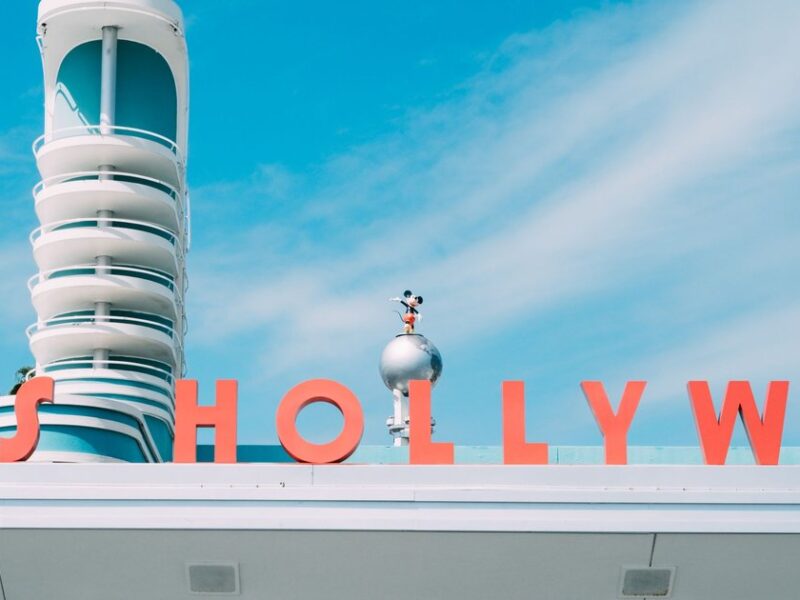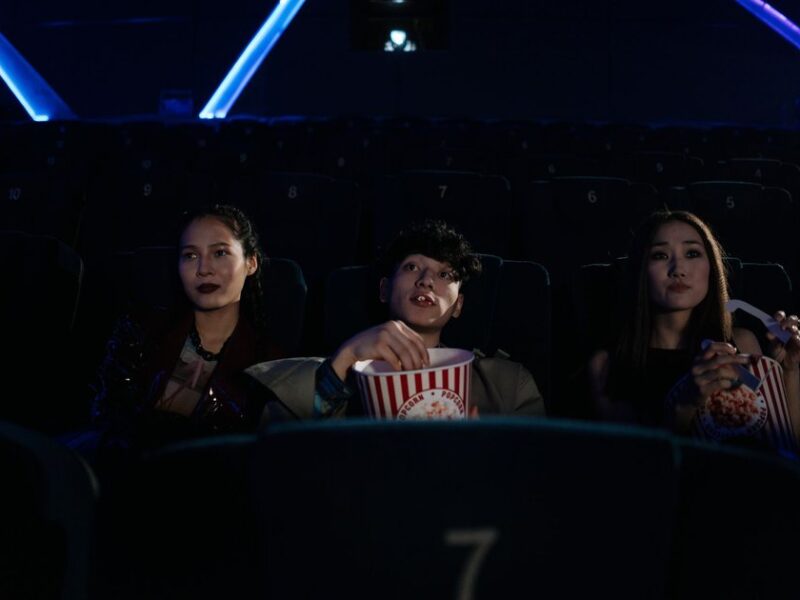
Hollywood is having its best summer in years. The 2026 theatrical season, which officially kicked off in May and runs through Labor Day weekend, is tracking to surpass even the most optimistic pre-season projections, with multiple films crossing the $300 million domestic threshold and the global box office showing signs of a genuine, sustained recovery from the structural disruptions that reshaped cinema during the streaming era.
The story of summer 2026 at the box office is not just about individual blockbusters performing well – it is about a broader recalibration of audience behaviour and a renewed recognition among studios that the theatrical window, carefully managed and properly supported with marketing investment, remains the most powerful launch platform for commercially ambitious films.
The Films Driving the Season
Several titles have emerged as the defining films of summer 2026, each demonstrating different aspects of what is working in the current market. Franchise sequels with genuine creative ambition – not just brand extensions – are outperforming cynical cash-grabs. Original concepts with strong visual spectacle and genuine emotional stakes are finding audiences that streaming-era predictions said would never return to theatres for non-franchise content. And international productions, particularly from South Korea and India, are proving that Hollywood’s definition of ‘box office success’ has been too narrowly drawn for years.
The Indian film market has been particularly striking. Several major Bollywood and South Indian productions have crossed the Rs 200 crore domestic mark within their first two weeks, a milestone that would have been considered extraordinary just five years ago. Films like the recently released action blockbuster featuring Ram Charan have demonstrated that Indian cinema’s audience appetite for theatrical experiences is enormous and growing, fuelled by improving multiplex infrastructure and a middle class that is increasingly willing to spend on premium entertainment experiences.
The Premium Format Revolution
One of the clearest trends of summer 2026 is the dominance of premium large-format screens. IMAX, Dolby Cinema, 4DX, and ScreenX locations are reporting average ticket prices 60-80% higher than standard screens, and they are filling those seats. The audience that has returned to cinemas with the most enthusiasm is not the casual viewer who can be satisfied by a streaming service – it is the dedicated moviegoer who comes specifically for the experience that no home entertainment system can replicate.
Studios have responded by engineering their biggest films specifically for premium formats, with extended aspect ratios, immersive sound design, and visual effects that are genuinely diminished on a television screen regardless of its size or picture quality. This is a virtuous cycle: better premium experiences drive higher attendance at premium screens, which generates higher revenue per seat, which funds greater investment in premium-format production and exhibition technology.
The Streaming Question
The success of summer 2026 at the box office has reignited the debate about theatrical windows and streaming release strategies. Several streaming services that had been aggressively pursuing day-and-date or very short-window releases for their biggest titles are quietly extending their theatrical exclusivity periods after data showed that films allowed to breathe in cinemas for 60 or 90 days not only performed better theatrically but also drove stronger streaming numbers when they eventually arrived on platform – suggesting that a high-profile theatrical run generates awareness and cultural heat that pure streaming releases cannot replicate.
The economics of streaming have also become more complicated than the industry anticipated four years ago. Subscriber growth has plateaued for most major platforms, and the cost of producing premium content to retain and attract subscribers is creating margin pressure that makes the theatrical revenue stream – which the studios had been willing to sacrifice for streaming market share – look considerably more attractive than it did during the peak streaming euphoria of 2021 and 2022.
Looking Ahead to the Fall
If summer 2026 has demonstrated anything, it is that the cinematic experience retains a cultural power and economic relevance that no streaming service has yet been able to fully displace. The audiences are there. The willingness to spend on premium experiences is demonstrated. What the industry needs now is a consistent pipeline of films that justify the trip to the theatre – films that offer something genuinely different from what any screen at home can provide.
Early tracking for the fall season suggests the momentum will continue, with several major awards contenders planning theatrical runs designed to maximise both box office revenue and Oscar eligibility. For an industry that spent the better part of three years questioning its own relevance, summer 2026 has been a powerful reminder of what cinema can be when studios and exhibitors commit to the theatrical experience with genuine conviction.

Trust Post Desk
A journalist and editor at TrustPost.org covering world and national news, technology updates and human-interest stories. They check every fact, interview sources in person or online, and aim to deliver clear, accurate reporting. Their work ranges from breaking news to in-depth features and daily newsletters. Outside the newsroom, they follow emerging trends and engage with readers on social media.