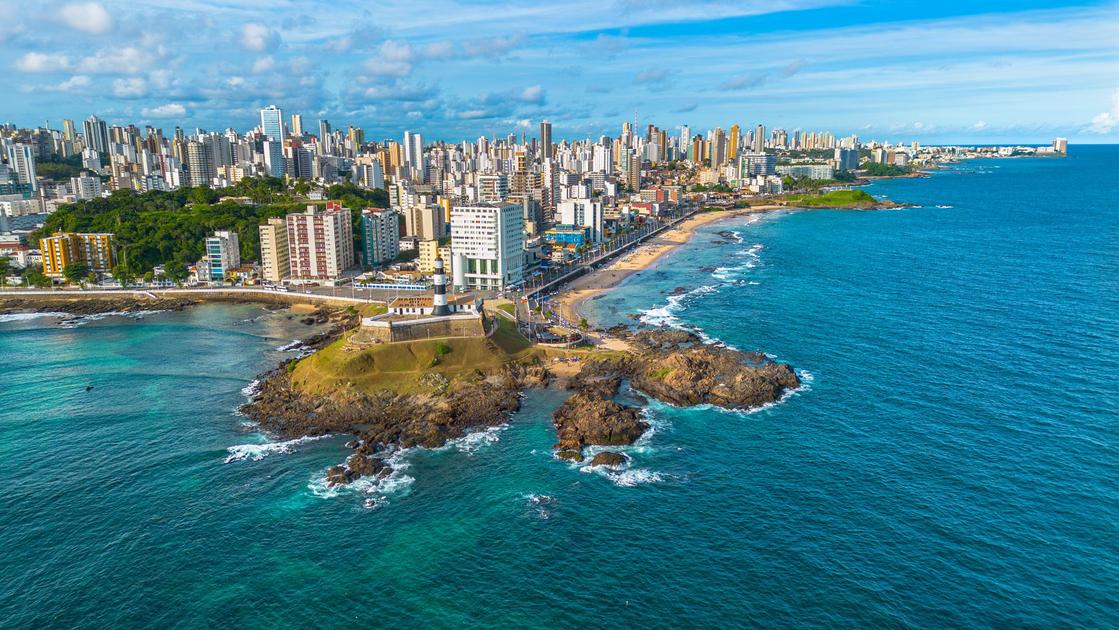
Latin America is recording a broad-based tourism boom in 2026, with Brazil, Mexico, Colombia, Chile, Peru, and Argentina all reporting record or near-record international visitor numbers in a year when the FIFA World Cup’s hosting in North America is generating spillover tourism to nearby and culturally associated Latin American destinations, and when growing direct air connectivity between the region and major source markets in North America, Europe, and Asia is reducing the travel barriers that have historically made Latin America less accessible than European and Southeast Asian alternatives. Brazil, which receives a significant fraction of World Cup fans who combine their North American tournament experience with pre- or post-match trips to iconic Brazilian destinations including Rio de Janeiro’s Carnival legacy sites, the Amazon, Iguazu Falls, and the northeast coast’s beaches, is projecting its highest international visitor count since records began. Mexico, which as a World Cup co-host is receiving the largest direct inflow of international visitors for the tournament itself – with matches at the Azteca Stadium in Mexico City, the Estadio BBVA in Monterrey, and Guadalajara’s Estadio Akron – is also benefiting from the global attention focused on the country.
Colombia’s tourism growth in 2026 reflects a remarkable transformation in the country’s international image from the security-defined narrative of the 1990s and 2000s – when travel advisories and the association with drug violence deterred most leisure tourists – to a contemporary reputation as one of Latin America’s most exciting destinations, with Medellin’s urban transformation celebrated in architecture and urban planning publications worldwide, Cartagena’s colonial Caribbean coastline attracting upscale international tourism, and the coffee region’s scenic infrastructure offering experiences that compete with European alternatives. Chile continues to attract adventure and eco-tourism visitors to Patagonia and the Atacama Desert, with Chilean national parks benefiting from investments in visitor infrastructure that the government made following international recognition of their extraordinary natural landscapes. Peru, with Machu Picchu as its primary international tourism anchor, has been diversifying its tourism offering to reduce the concentration of visitor pressure on the Inca citadel by promoting the Sacred Valley, Cusco’s colonial architecture, and the Amazon basin as complementary experiences that distribute both the economic benefits and the environmental impact of tourism more broadly. The Royal Air Maroc Casablanca-Los Angeles launch exemplifies the global expansion of direct air connectivity to previously underserved routes that is driving tourism growth across Latin America as well as Africa.

Trust Post Desk
A journalist and editor at TrustPost.org covering world and national news, technology updates and human-interest stories. They check every fact, interview sources in person or online, and aim to deliver clear, accurate reporting. Their work ranges from breaking news to in-depth features and daily newsletters. Outside the newsroom, they follow emerging trends and engage with readers on social media.