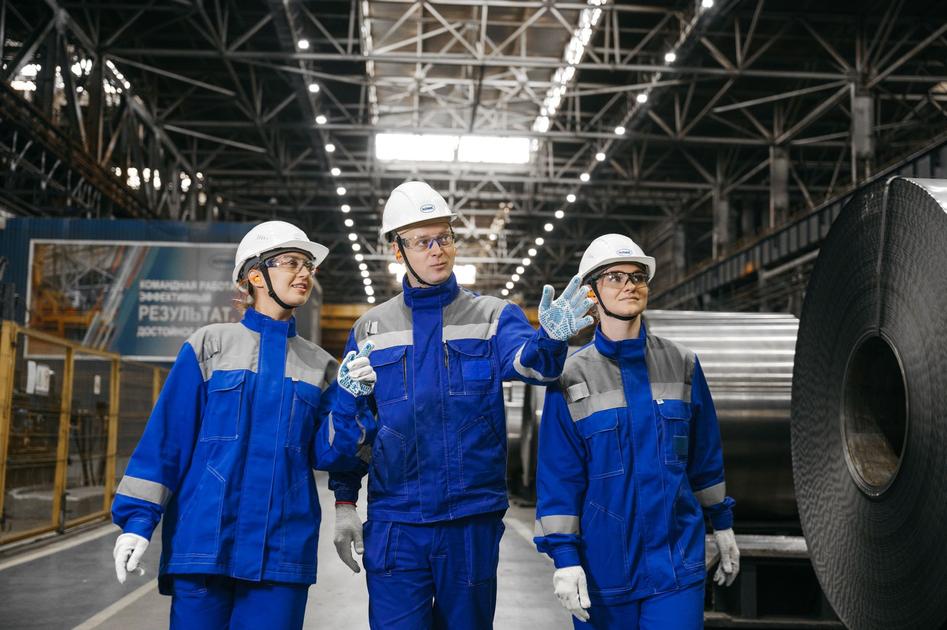
Russia’s defense industrial base is running at the highest sustained production rates of the post-Soviet era in 2026.
Artillery ammunition, missiles, armored vehicles, and drone manufacturing all operate on multi-shift schedules.
For more context, see our coverage of Renewable Energy Growth 2026.
Key Developments
The scale reflects President Putin’s commitment to sustaining military pressure in Ukraine regardless of economic cost. Read also: Ukraine Launches Record Drone Attack on Moscow Oil Refinery.
Related Articles
Western defense analysts estimate Russia is now producing 2 to 3 million artillery rounds annually.
Background and Context
North Korea has supplied Russia with shells compatible with Soviet-caliber artillery systems. This has allowed Russia to supplement domestic production while ramping up its own manufacturing capacity.
For more context, see our coverage of Nasdaq Surges on Iran Peace Deal and Apple Intel News.
Factories that were dormant or running at minimal capacity during the post-Cold War era have been reactivated. See also: World Cup 2026 June 19: USA vs Australia, Brazil vs Haiti.
What Experts Are Saying
The Stockholm International Peace Research Institute describes this as the most intensive rearmament of any major power since World War II in per-year terms.
Defense sector wages are running substantially above private sector equivalents. The government has used financial incentives to attract and retain workers in priority defense plants.
For more context, see our coverage of Global Economy 2026 Outlook.
The drone attacks on Russian infrastructure, including the Ukraine attack on the Moscow refinery in June 2026, have also forced Russia to divert air
defense resources and production capacity to homeland protection.
The reallocation of manufacturing capacity to defense has created visible shortages in the Russian consumer economy.
Civilian goods that share manufacturing lines or components with defense products face delays and price increases.
Automotive production has been particularly disrupted. Western electronic components for vehicles are unavailable under export controls. Russian manufacturers either source Chinese alternatives or reduce production.
Consumer electronics, almost entirely from Western or South Korean brands that withdrew from Russia, are now available primarily through parallel import channels. These channels add cost and complexity.
The result is a distorted economy. Russia’s GDP is growing at roughly 2.5 to 3 percent, driven by defense spending. But the structural imbalances are accumulating long-term costs.
Russia’s defense spending surge has contributed to domestic inflation.
The Central Bank of Russia has maintained high interest rates to control price growth, but wartime fiscal spending continues to pressure the ruble.
Similar inflationary dynamics are playing out globally. US wholesale prices rose 6.5% in May 2026, partly due to the energy disruptions tied to the
Iran conflict and the broader impact of the Russia-Ukraine war on global supply chains.
The Russia-Kazakhstan trade relationship has become an important economic safety valve. Kazakhstan provides goods that Russia can no longer source from Western suppliers under sanctions.
NATO intelligence assessments in 2026 have consistently noted Russia’s ability to sustain production beyond initial Western expectations.
The assumption that sanctions would quickly degrade Russia’s military-industrial capacity has proven overly optimistic.
In response, NATO Secretary Pete Hegseth announced a NATO 3.0 review of US troop deployments in Europe, with pressure on European allies to dramatically
increase their own defense spending and production capacity.
European governments have responded by expanding their own defense industrial production, with several major procurement deals signed in 2025 and 2026 aimed at increasing NATO stockpiles.
Russia’s defense budget has been estimated at over 6 percent of GDP in 2025-2026, the highest share since the Soviet era.
Exact figures are difficult to verify because Russia has reduced transparency in defense budget reporting since 2022.
No. Russia has offset domestic production limits with purchases from North Korea and by reactivating dormant Soviet-era production facilities.
Analysts estimate Russia produces 2 to 3 million artillery rounds annually, augmented by North Korean supplies.
Civilian goods face shortages and higher prices as manufacturing capacity is redirected to defense. Automotive production is disrupted by sanctions on electronic components.
Consumer electronics now arrive through costly parallel import channels from third countries.
Sources: SIPRI – Russia Military Expenditure | Reuters – Russia Defense Production 2026 | NPR – Russia War Economy
Sources and Further Reading
Learn more at ESPN.
Learn more at BBC Sport.
Learn more at Sky Sports.
Related Articles

Trust Post Desk
A journalist and editor at TrustPost.org covering world and national news, technology updates and human-interest stories. They check every fact, interview sources in person or online, and aim to deliver clear, accurate reporting. Their work ranges from breaking news to in-depth features and daily newsletters. Outside the newsroom, they follow emerging trends and engage with readers on social media.