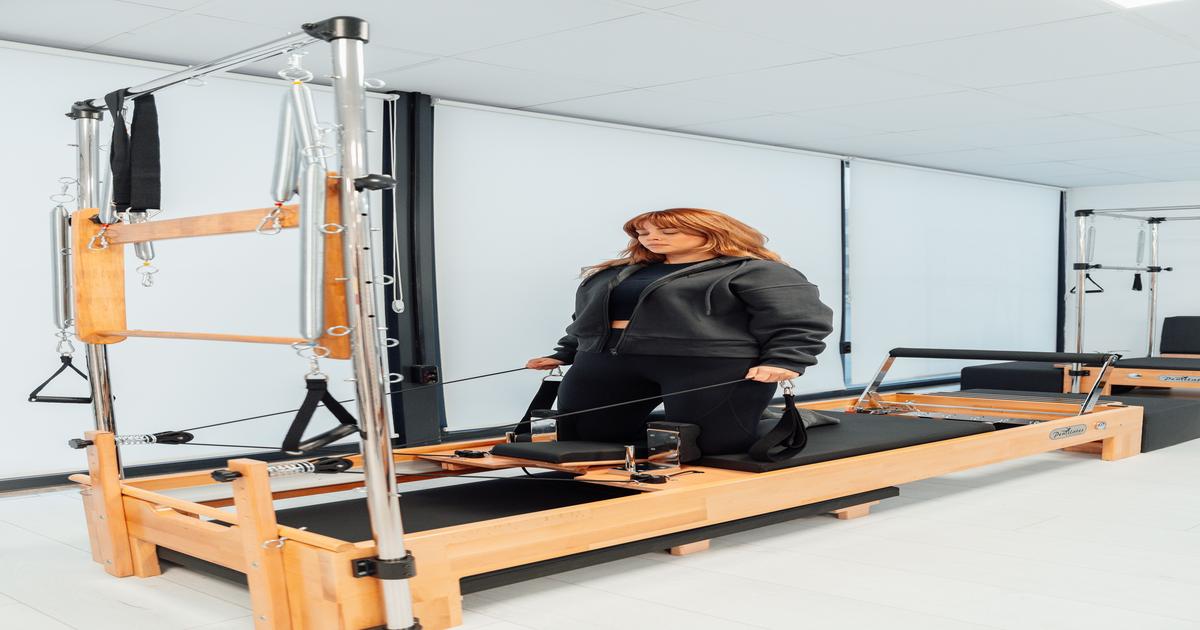
Pilates is the most-booked workout globally for the third consecutive year in 2026, with a 66 percent increase in bookings since 2024, according to the ClassPass global fitness report. It has gone from a niche rehabilitation exercise and celebrity fitness secret to the defining workout of the mid-2020s, reshaping the studio fitness industry, spawning a new aesthetics category, and generating a vocabulary of its own across social media.
The “Pilates body” has become one of the most searched physique descriptions on TikTok and Instagram, the “Pilates girl” is a recognizable aesthetic and lifestyle identity, and studio Pilates has replaced the SoulCycle era of fitness culture as the premium workout experience most associated with aspirational urban life.
What drove the shift is not a single factor. It is the convergence of several: post-pandemic interest in low-impact exercise, social media aesthetics, the athleisure economy, and genuine fitness benefits that hold up to scrutiny.
What Is Pilates and Why Does It Work
Pilates was developed by Joseph Pilates in the early 20th century as a system of controlled movements designed to strengthen the core, improve posture, and create body awareness. The original system used both mat exercises and a machine called the Reformer, a spring-resistance bed that allows hundreds of movement variations.
The method works through high repetition of precise movements at low to moderate resistance, targeting stabilizing muscles that conventional strength training often misses. The focus on the “powerhouse,” Pilates’s term for the deep core including the transverse abdominis, multifidus, and pelvic floor, produces strength gains in areas that directly affect posture, back pain, and functional movement quality.
Research published in journals including the Journal of Bodywork and Movement Therapies consistently shows Pilates produces measurable improvements in core strength, flexibility, balance, and chronic low back pain. Its injury rehabilitation credentials come from its original design: Joseph Pilates developed many exercises for bedridden patients and dancers recovering from injuries.
How Social Media Turned Pilates Into a Lifestyle
The “Pilates girl” aesthetic that emerged on TikTok and Instagram between 2023 and 2025 bundled the workout with a broader visual and lifestyle identity: linen sets, matcha lattes, under-eye patches, Stanley cups, and a specific physique aesthetic emphasizing long lean muscle over bulk.
This aesthetic packaging made Pilates identity-driven in a way that previous fitness trends were not. Going to Pilates was not just exercising. It was signaling a set of values around discipline, wellness, soft aesthetics, and a particular kind of femininity that resonated with millions of young women simultaneously.
The TikTok hashtag #pilates has over 40 billion views as of mid-2026. “Pilates body” transformation content performs among the highest-engagement fitness content on the platform, and Pilates studio content including “follow me to my 6 AM reformer class” videos draws tens of millions of views from users who have never attended a Pilates class.
The Studio Industry Transformation
Boutique Pilates studios are the fastest-growing segment of the fitness industry in 2026. Club Pilates, the largest chain in North America with over 1,000 locations, reported a 34 percent revenue increase in 2025. Australian brand Limepilates expanded from 12 to 60 studios between 2023 and 2026. Independent boutique studios are opening in cities where they did not exist three years ago.
Reformer Pilates machines, which cost $3,000 to $10,000 each, have experienced a secondary market surge for home use. Brands including Pilates Anytime, BASI Pilates, and smaller independent creators have built large online subscription businesses serving people who want to do Pilates at home without a studio investment.
The pricing of Pilates classes, typically $30 to $50 per class at boutique studios, has not prevented growth, which industry analysts attribute to the perceived premium value aligning with how Pilates has been positioned culturally. It occupies the same psychological space as $7 matcha lattes: expensive enough to feel aspirational, accessible enough to be attainable.
Pilates vs. Other Popular Workouts
| Workout | Primary Benefit | Impact Level | Average Class Cost | 2026 Trend Direction |
|---|---|---|---|---|
| Pilates (Reformer) | Core, posture, flexibility, lean muscle | Low | $30-50 | Still surging |
| Yoga | Flexibility, stress, mindfulness | Very low | $20-35 | Stable |
| HIIT | Cardio, calorie burn | High | $15-30 | Declining |
| Strength training | Muscle mass, metabolism | Moderate | $0-30 | Growing |
| Japanese walking | Cardio, accessibility, fat burn | Low | Free | Surging |
| Barre | Tone, balance, flexibility | Low | $25-40 | Stable |
| Spin / Cycling | Cardio | High | $25-40 | Declining |
Who Is Doing Pilates in 2026
Women between 25 and 40 remain the core Pilates demographic but the gender gap is narrowing. Male Pilates participation has grown 42 percent since 2023, driven partly by athletes and sports recovery use and partly by the general expansion of male interest in low-impact training as the longevity trend prioritizes sustainable movement over maximum intensity.
Older adults are the fastest-growing new Pilates participant segment. The combination of low injury risk, documented back pain benefits, and emphasis on functional movement quality makes it a natural fit for people over 50 who want to maintain mobility without the joint stress of higher-impact options.
According to the Global Wellness Institute, Pilates is identified in its 2026 wellness trends report as part of the broader “longevity-focused training” category that is reshaping fitness culture away from performance and toward sustainable, long-term body function.
Frequently Asked Questions
Why is Pilates so popular in 2026?
Pilates is the most-booked workout globally for the third consecutive year due to a combination of factors: genuine fitness benefits including core strength and back pain relief, low injury risk, a powerful social media aesthetic identity, alignment with the longevity and sustainable fitness trends, and a studio experience that has been positioned as premium wellness rather than just exercise.
What is the difference between mat Pilates and Reformer Pilates?
Mat Pilates uses only bodyweight on a mat and can be done at home with no equipment. Reformer Pilates uses a spring-resistance machine called the Reformer, allowing hundreds of exercise variations and providing resistance that mat exercises cannot replicate. Reformer Pilates is more expensive and requires either a studio membership or home machine, but produces greater strength and flexibility results for most users.
How many times a week should you do Pilates to see results?
Most practitioners and instructors recommend two to three sessions per week as the minimum to see measurable results within 4 to 8 weeks. Research on Pilates outcomes typically uses three-session-per-week protocols. Daily Pilates is practiced by enthusiasts without adverse effects because the low-impact nature allows for frequent repetition, unlike higher-intensity training that requires recovery days.

Trust Post Desk
A journalist and editor at TrustPost.org covering world and national news, technology updates and human-interest stories. They check every fact, interview sources in person or online, and aim to deliver clear, accurate reporting. Their work ranges from breaking news to in-depth features and daily newsletters. Outside the newsroom, they follow emerging trends and engage with readers on social media.