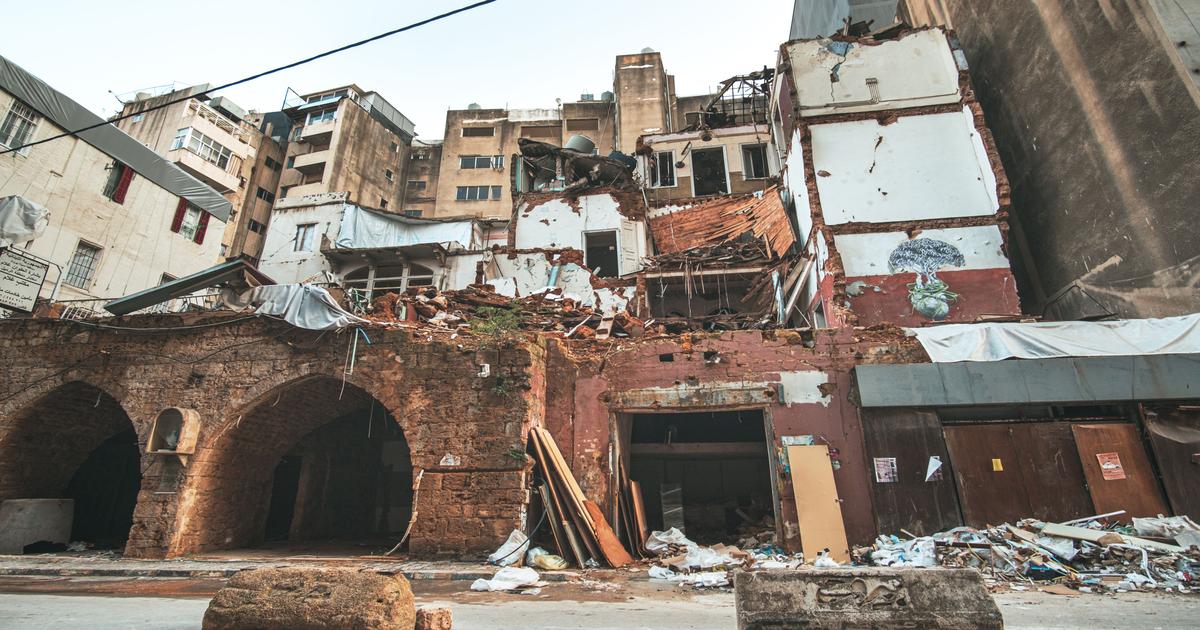
Lebanon’s government told the United Nations in June 2026 that Israel has conducted approximately 3,500 airstrikes on Lebanese territory since February, including attacks after a US-brokered ceasefire took effect on April 16. The figure covers both the active conflict period from March 2 through April 16 and the ceasefire period that followed, during which UN experts and multiple governments say Israel has continued to conduct strikes in violation of the agreement.
The number of casualties from these strikes reached over 3,500 killed and more than 10,000 wounded, according to Lebanon’s Ministry of Public Health. The ceasefire, the second between Israel and Hezbollah in less than two years, is described by observers as deeply fragile and functionally broken in many respects.
What the 2026 Lebanon War Involved
The 2026 Lebanon conflict escalated from a series of cross-border exchanges that began in late February 2026 and intensified sharply into a declared conflict phase in early March. Israeli operations targeted Hezbollah infrastructure across southern Lebanon and the Dahieh district of Beirut, Hezbollah’s stronghold in the southern suburbs of the capital.
Hezbollah launched rocket and missile attacks into northern Israel and, in some cases, deeper into Israeli territory. The conflict created a second front during the same period the US was engaged in military operations against Iran, stretching both Israeli and US attention across simultaneous conflicts.
A ceasefire brokered by the United States took effect on April 16, 2026. Within days, reports of violations emerged from both sides. According to NPR, Israel struck Beirut’s Dahieh suburb on June 6, the first attack on the Lebanese capital since the ceasefire renewal the previous week, citing a Hezbollah strike on Israel as justification.
The 3,500 Bombing Claim
Lebanon’s government submitted data to international bodies showing approximately 3,500 Israeli strikes between March 2 and early June 2026. The figure includes both pre-ceasefire strikes and those conducted after April 16 that Lebanon classifies as ceasefire violations.
Israel disputes the framing of post-ceasefire strikes as violations, characterizing its actions as responses to Hezbollah attacks and as permitted under the ceasefire agreement’s self-defense provisions. This interpretive disagreement is at the core of the diplomatic dispute.
The UN Office of the High Commissioner for Human Rights issued a statement in April 2026 condemning what it called “unprecedented bombing in Lebanon after ceasefire announcement” and demanding an immediate halt to hostilities.
Ceasefire Terms and Why They Keep Breaking Down
The April 16 ceasefire agreement required Israel to withdraw forces from southern Lebanon over a 60-day period while Hezbollah committed to moving its armed presence north of the Litani River. Both conditions have been only partially met.
The structural problem with Israeli-Lebanese ceasefires is that both sides define violations asymmetrically. Israel treats any Hezbollah rocket or weapons-transfer activity as a ceasefire breach that triggers response rights. Hezbollah and Lebanon treat continued Israeli airstrikes as primary violations regardless of what provoked them.
This gap in interpretation has broken every ceasefire between the two sides, including the 2006 UN Security Council Resolution 1701 framework that nominally remained in effect for 18 years before the 2024 and 2026 conflicts.
Casualty and Displacement Figures
| Metric | Figure | Source | Period |
|---|---|---|---|
| Lebanese killed | 3,500+ | Lebanon Ministry of Public Health | March 2 – June 2026 |
| Lebanese wounded | 10,000+ | Lebanon Ministry of Public Health | March 2 – June 2026 |
| Israeli strikes on Lebanon | ~3,500 | Lebanese government to UN | March – June 2026 |
| Displaced in Lebanon | Hundreds of thousands | UNHCR estimates | March – June 2026 |
| Israeli casualties | Not yet officially totaled | Israeli government | Ongoing |
International Reaction
The US, which brokered the April ceasefire while simultaneously negotiating the Iran deal, has been placed in a difficult diplomatic position by continued Israeli strikes on Lebanon. Publicly, US officials have called for ceasefire compliance from both sides. Privately, according to multiple diplomatic sources cited in media reporting, Washington has pressed Israel to limit strikes to demonstrable military necessity.
France, the UK, and the EU have issued statements calling for full ceasefire implementation and expressing concern about civilian casualties. The Arab League has called for an emergency session. Qatar and Egypt, who mediated aspects of the ceasefire, have separately conveyed pressure to both parties.
Hezbollah has rejected a revised ceasefire deal proposed by Israel and Lebanon’s government in early June, according to NPR, complicating any path to a sustainable halt in hostilities.
Frequently Asked Questions
Has Israel violated the Lebanon ceasefire in 2026?
Lebanon’s government and the UN Human Rights Office have stated that Israel has conducted strikes in Lebanon after the April 16, 2026 ceasefire took effect, including an attack on Beirut’s Dahieh district on June 6. Israel characterizes these strikes as responses to Hezbollah provocations permitted under the ceasefire’s self-defense provisions. The ceasefire is widely described by observers as functionally broken, with violations documented on both sides.
How many people have been killed in Lebanon in 2026?
Lebanon’s Ministry of Public Health reported over 3,500 people killed and more than 10,000 wounded from Israeli strikes between March 2 and early June 2026. The figure covers both the active conflict period before the April 16 ceasefire and strikes that occurred after the ceasefire took effect.
When did the 2026 Lebanon war start?
The 2026 Lebanon conflict escalated into active warfare in early March 2026, following a period of cross-border exchanges that began in late February. A US-brokered ceasefire took effect on April 16, 2026, though both sides have continued exchanging fire since then. The conflict ran simultaneously with US military operations against Iran, which ended with the June 17 MOU.

Trust Post Desk
A journalist and editor at TrustPost.org covering world and national news, technology updates and human-interest stories. They check every fact, interview sources in person or online, and aim to deliver clear, accurate reporting. Their work ranges from breaking news to in-depth features and daily newsletters. Outside the newsroom, they follow emerging trends and engage with readers on social media.