Pakistan confirmed on June 18, 2026, that the U.S.-Iran memorandum of understanding signed at Versailles means the Strait of Hormuz will reopen instantly and the American naval blockade of Iranian ports will end immediately.
The statement from Pakistan’s prime minister came one day after Trump and Iranian President Masoud Pezeshkian signed the MOU during a candlelit dinner at the Palace of Versailles following the G7 summit in France.
What Pakistan Said
Pakistan, which served as a primary mediator alongside Qatar in brokering the US-Iran agreement, said the MOU’s signing triggers immediate practical consequences for global shipping.
The Strait of Hormuz will be reopened instantly, Pakistan announced. The American blockade of Iranian ports will cease immediately upon the MOU taking effect. A formal signing ceremony is planned for Friday in Switzerland.
Pakistan’s role in the negotiations was extensive and began months before the agreement became public. The country leveraged its relationships with both Washington and Tehran to bring the parties to the table.
Why the Strait of Hormuz Matters
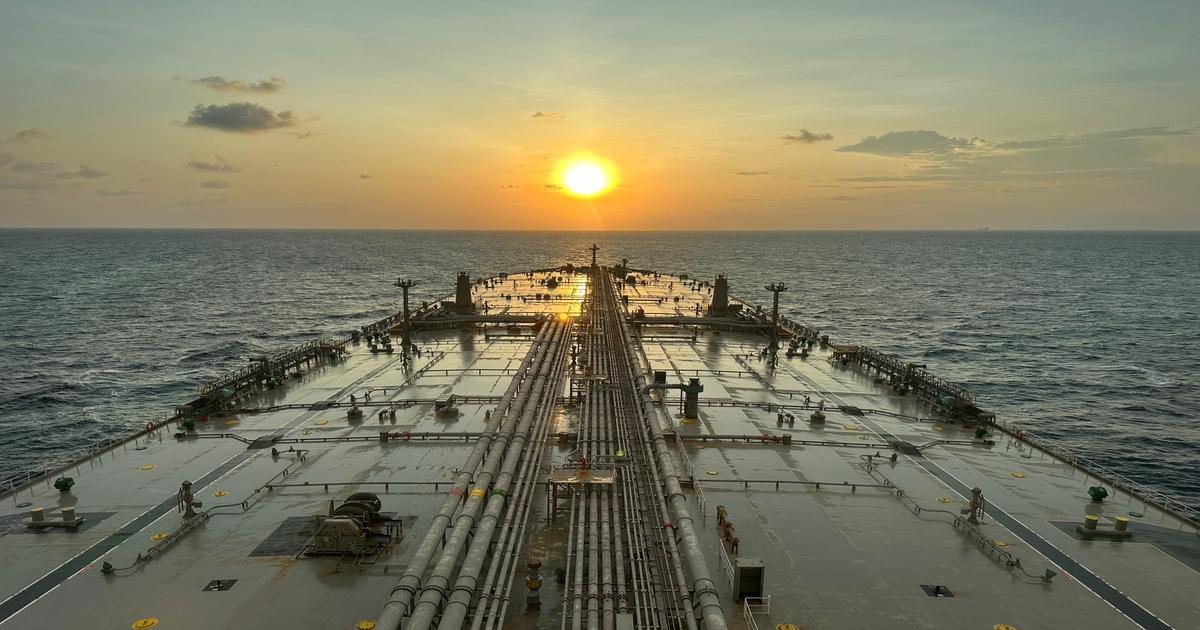
Approximately 20 percent of the world’s oil supply transits the Strait of Hormuz. The narrow waterway between Iran and Oman connects the Persian Gulf to the Sea of Oman and the global oil market.
When Iran blocked or threatened the Strait earlier in 2026, global oil prices spiked sharply. Insurance premiums for tankers transiting the region surged to record levels, and several major shipping companies rerouted vessels around Africa to avoid the risk.
The reopening is expected to bring oil prices down further in the short term. Oil had already fallen on news of the Versailles signing. Full normalization of oil flows could take days to weeks as tanker operators confirm the new security situation.
Terms of the MOU
As covered in our earlier report on the US-Iran MOU deal signed at Versailles, the agreement creates a 60-day diplomatic window for a more comprehensive nuclear and security settlement.
During those 60 days, Iran will make its best efforts to ensure safe passage of commercial vessels through the Persian Gulf to the Sea of Oman and vice versa. The agreement does not yet lift all U.S. sanctions on Iran.
The nuclear dimension of the conflict remains unresolved. The MOU is a ceasefire framework, not a final deal. Negotiators from both sides are expected to convene in Switzerland within days to begin the comprehensive talks.
Oil Markets React
Crude oil prices fell on news of the Versailles signing on June 17 and continued to decline on June 18 following Pakistan’s confirmation of the immediate Hormuz reopening.
Brent crude and West Texas Intermediate both declined as traders priced in improved supply expectations. Energy analysts noted that oil prices had already partially recovered from their worst levels once diplomacy began to gain traction.
As our market report showed, the Nasdaq surged 3 percent on the Iran deal combined with the Apple-Intel announcement, with oil falling and tech stocks leading gains.
Israeli Complications
The agreement faces a potential complication from Israel. Israeli airstrikes in Lebanon continued even after the MOU was announced, and reports indicated that some Israeli officials were uncomfortable with the pace of the U.S.-Iran diplomatic process.
The U.S. has significant influence over Israel but has not publicly pressured Israel to halt operations in Lebanon. The MOU’s durability may depend on whether the broader regional conflict can be contained.
Frequently Asked Questions
Is the Strait of Hormuz open again?
Pakistan confirmed on June 18, 2026, that the Strait of Hormuz will reopen instantly under the terms of the US-Iran MOU signed at Versailles on June 17. Commercial vessels should be able to transit freely, though full normalization may take days as shipping companies confirm safety.
What is the US-Iran MOU?
The MOU is a memorandum of understanding signed by Trump and Iranian President Pezeshkian at the Palace of Versailles on June 17, 2026. It creates a 60-day window for comprehensive diplomatic negotiations on nuclear and security issues while establishing a ceasefire.
Who mediated the US-Iran deal?
Pakistan served as the primary mediator alongside Qatar. Pakistan’s prime minister confirmed the Hormuz reopening terms on June 18. A formal signing ceremony is planned in Switzerland on June 19 or 20, 2026.
Related Articles
- Trump Signs US-Iran MOU at Versailles: 60-Day Window Explained
- Nasdaq Surges 3% as Iran Deal and Apple-Intel Boost Markets
- Hegseth Announces NATO 3.0 and Reviews US Troops in Europe
Sources: Seatrade Maritime – Hormuz Reopens Instantly | NBC News – Iran US Deal Hormuz | CBS News – Iran US Agreement Shipping

Trust Post Desk
A journalist and editor at TrustPost.org covering world and national news, technology updates and human-interest stories. They check every fact, interview sources in person or online, and aim to deliver clear, accurate reporting. Their work ranges from breaking news to in-depth features and daily newsletters. Outside the newsroom, they follow emerging trends and engage with readers on social media.