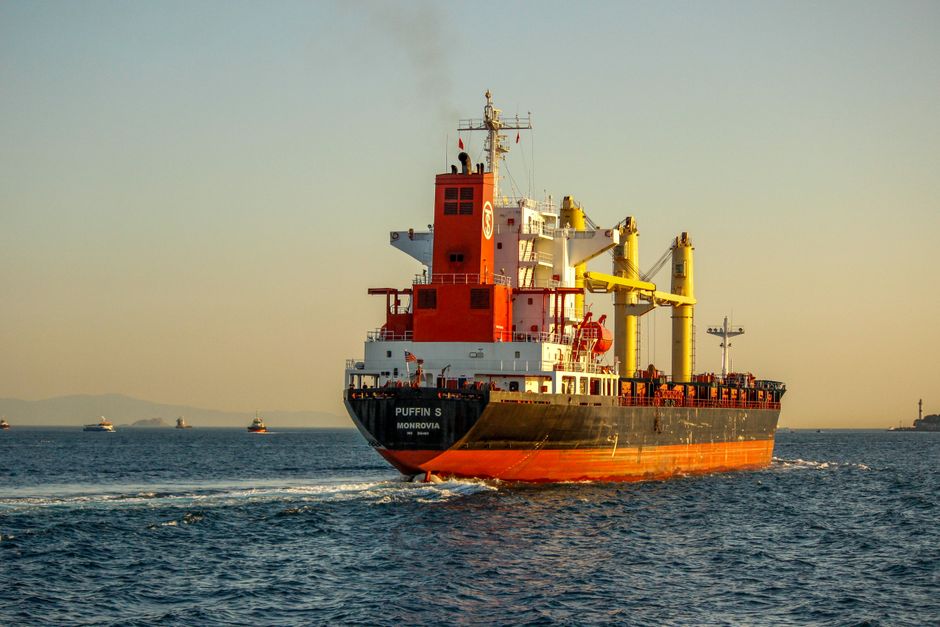
Iran declared the Strait of Hormuz closed on June 20, 2026, citing continued Israeli strikes on Hezbollah in Lebanon.
Tehran said Israel violated the US-Iran memorandum of understanding signed just three days earlier on June 17.
U.S. Central Command disputed Iran’s claim, saying commercial ship traffic in the strait actually increased on Saturday.
Iran Declares Strait of Hormuz Closed
Iran’s military made the closure announcement after fresh IDF airstrikes targeted Hezbollah positions in Beirut.
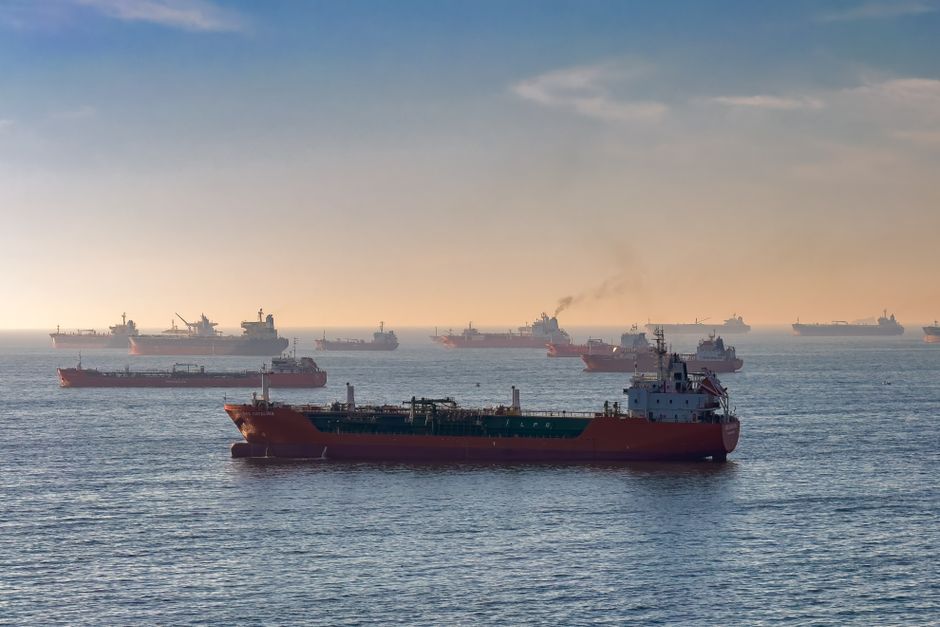
The Strait of Hormuz is the world’s most critical oil shipping chokepoint, carrying roughly 20% of global supply.
Any genuine disruption would trigger immediate crude price spikes and shortages across Europe and Asia.
Iran has used Hormuz threats before as diplomatic leverage during tense periods with the United States.
This time, however, Iran is pointing to specific ceasefire violations rather than issuing a general warning.
What the US-Iran Peace Deal Said

Pakistan’s PM Shehbaz Sharif announced on June 14 that the U.S. and Iran finalized a memorandum of understanding.
The deal included a ceasefire in Lebanon, an end to Hormuz restrictions, and relief of U.S. sanctions on Iran.
Trump and Iranian President Masoud Pezeshkian signed the agreement on June 17, 2026, in Geneva.
The deal set a 60-day window to resolve the remaining dispute over Iran’s nuclear enrichment program.
Iran secured both economic relief and a public U.S. commitment to restrain Israeli operations in Lebanon.
Why Lebanon Is Now Threatening the Agreement

The IDF struck southern Beirut on June 7, days after the most recent Lebanon ceasefire took hold.
Iran responded with waves of ballistic missiles toward Israel, and Israel retaliated with further airstrikes.
Per Al Jazeera, Tehran insists Lebanon must be resolved before nuclear talks can start.
U.S. VP Vance is traveling to Switzerland to attempt to revive the stalled negotiations.
Iran’s delegation says the second phase of talks has not started because Lebanon remains an open conflict.
Global Energy Markets React to Hormuz Tensions
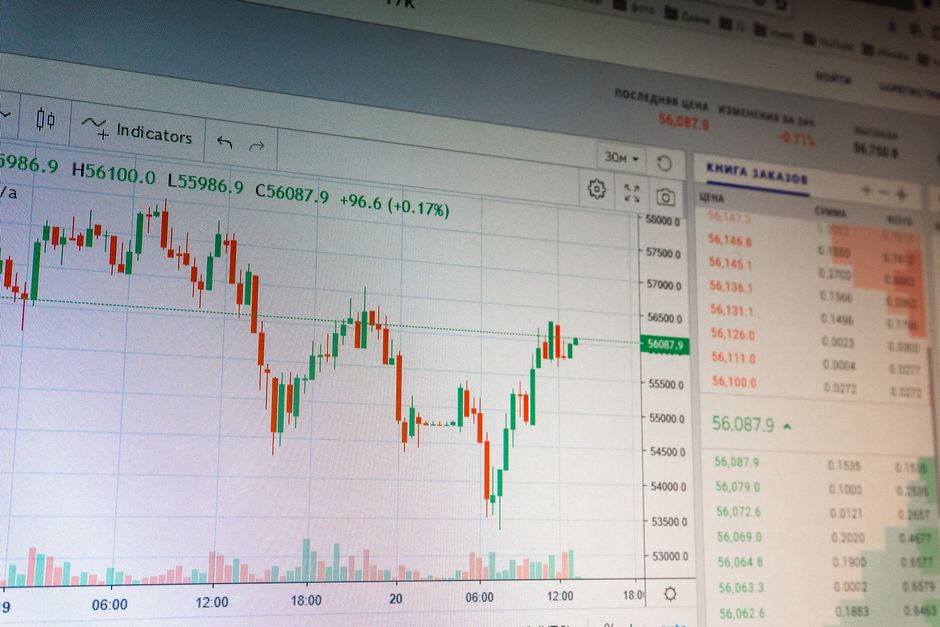
Oil markets moved sharply on news of Iran’s closure declaration, with Brent crude jumping in early trading.
Analysts warn a prolonged standoff could reverse progress on inflation in the United States and Europe.
The disruption threatens to push up costs tracked in the May 2026 CPI report further.
Energy companies with exposure to Middle East shipping lanes saw stocks fall on the announcement.
Long-term, the crisis is accelerating investment in EV battery technology to reduce oil dependency.
What Happens Next in US-Iran Talks
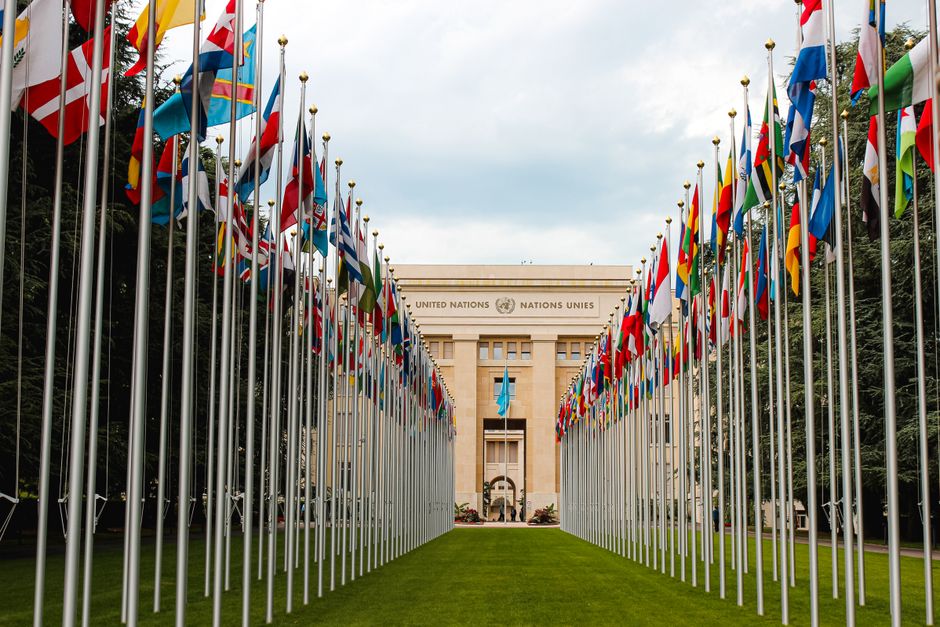
U.S. and Iranian technical teams are scheduled to meet in Switzerland as soon as Lebanon fighting pauses.
Both sides have significant incentives: Iran needs sanctions lifted, and the U.S. wants oil market stability.
The next 72 hours will determine whether the June 17 deal survives or collapses entirely.
If talks collapse, Iran could formally restrict Hormuz traffic, triggering a global energy emergency.
The White House has not yet publicly confirmed whether Trump will personally intervene to restrain Israel.
A resolution would require Israel to pause Lebanon strikes, something Netanyahu has so far refused to commit to.
Related Articles

Trust Post Desk
A journalist and editor at TrustPost.org covering world and national news, technology updates and human-interest stories. They check every fact, interview sources in person or online, and aim to deliver clear, accurate reporting. Their work ranges from breaking news to in-depth features and daily newsletters. Outside the newsroom, they follow emerging trends and engage with readers on social media.