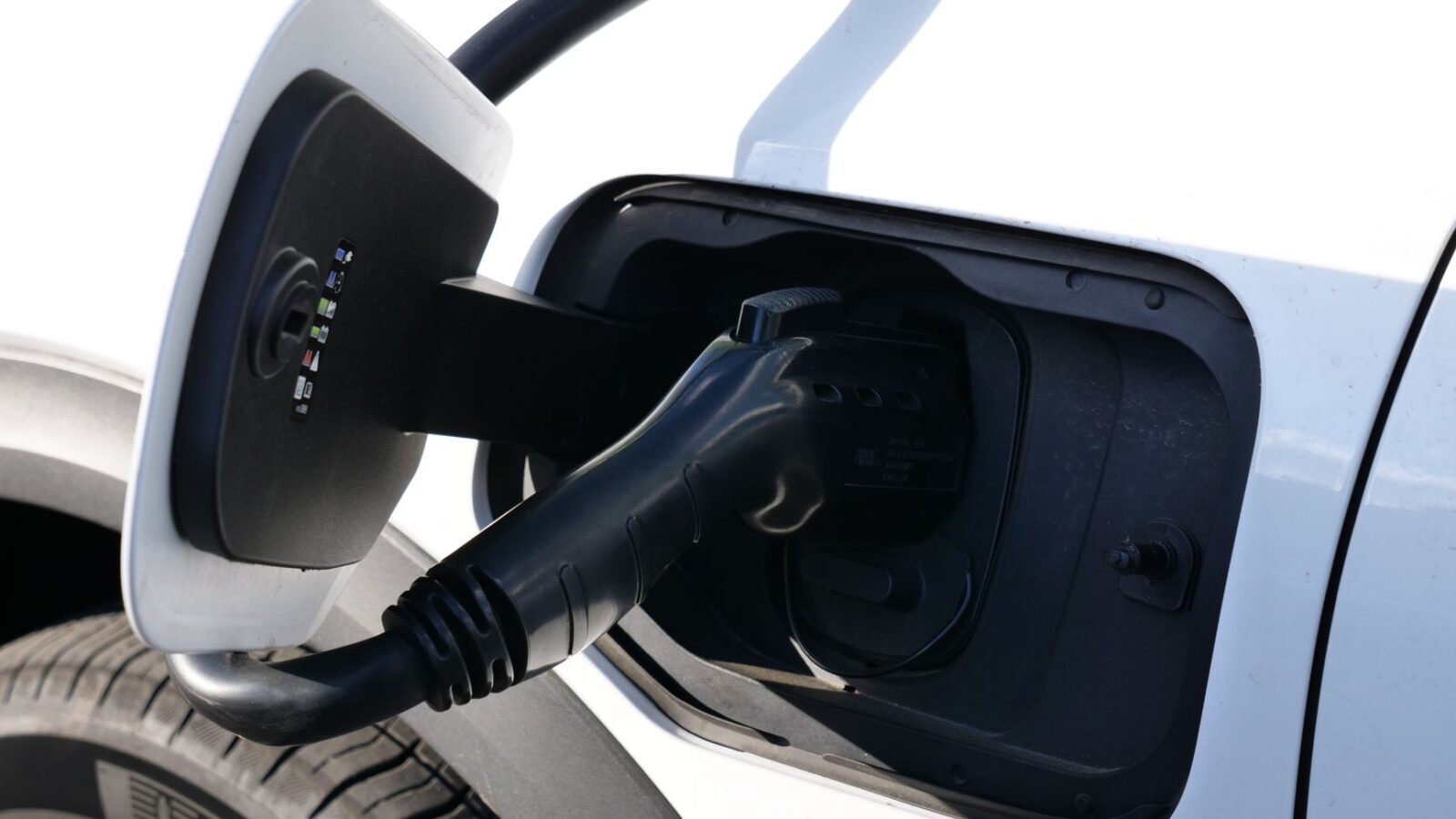
EV battery technology reached new performance highs in 2026, with solid-state cells entering mass production and ultra-fast charging hitting the six-minute mark.
The advances come as lithium-ion pack costs hit record lows of $99 per kWh for battery-electric vehicles, according to BloombergNEF data.
CATL’s Six-Minute Charge and 1,500km Battery
CATL unveiled a Shenxing Superfast Charging Battery at Super Tech Day 2026 that charges from 10 to 90 percent in just six minutes.
CATL also showed a battery capable of powering an EV for 1,500 kilometers on a single charge, eliminating range anxiety for almost any trip.
Per CATL Super Tech Day coverage, CATL’s announcements represent the most concentrated set of battery technology advances any single manufacturer has unveiled in one event.
Solid-State EV Battery Technology Arrives in 2026
Greater Bay Technology produced its first A-sample all-solid-state battery cells in 2026, which passed needle penetration, extrusion, and thermal shock tests without fire or explosion.
Solid-state batteries replace the liquid electrolyte in conventional lithium-ion cells with a solid material, dramatically improving safety and energy density.
According to Electrek’s solid-state report, Toyota, BMW, and Hyundai are targeting limited commercial solid-state deployments between 2026 and 2028, with mass production to follow.
China’s 1,000km Lithium Metal Battery
Chinese researchers developed a lithium metal battery with energy density above 700 Wh/kg at room temperature and 400 Wh/kg at minus 50 degrees Celsius.
EVs using these cells are expected to exceed 1,000 kilometers of range on a single charge, with mass production targeted before the end of 2026.
The breakthrough matters because it uses lithium metal rather than graphite for the anode, roughly doubling the energy storage potential per unit of weight.
Battery Cost Declines Accelerate EV Adoption
BloombergNEF found the average lithium-ion pack fell 8% to a record $108 per kWh in 2025, with EV packs reaching $99 per kWh.
The $100 per kWh threshold is widely considered the point where EVs reach cost parity with internal combustion vehicles on a total ownership basis.
Per MIT Technology Review’s guide, cheaper cells are triggering new EV model launches in the $25,000 to $35,000 segment where consumer volume is largest.
Factorial Energy and the 745-Mile Mercedes Test
US solid-state startup Factorial Energy provided battery cells for a Mercedes test vehicle that drove over 745 miles on a single charge in real-world conditions.
Factorial plans to bring its solid-state technology to market as early as 2027, targeting premium automakers before scaling to higher-volume vehicle segments.
The race for longer-range EVs connects to the broader technology competition tracked in our BYD humanoid robot report on Chinese automakers entering robotics and AI.
What EV Battery Advances Mean for Charging Infrastructure
Six-minute charging requires ultra-high-power charging stations that deliver 400 to 500 kilowatts, well above the 150-350 kW maximum at most current fast-charge networks.
Infrastructure buildout is lagging battery advances, meaning consumers may have the hardware for six-minute charging before they can access compatible charging stations.
Grid upgrades will also be required in many locations, as simultaneously serving multiple 400 kW EV chargers places demands comparable to small industrial facilities.
EV Battery Technology Outlook for 2027
Analysts expect solid-state batteries to move from limited commercial pilots to broader availability between 2027 and 2029 across Toyota, Hyundai, and European brands.
Sodium-ion batteries, a cheaper alternative using abundant materials, are also expected to enter the mainstream entry-level EV market in 2027 in China.
Lower cost, longer range, and faster charging together are expected to push global EV market share above 30% of new vehicle sales by 2027.

Trust Post Desk
A journalist and editor at TrustPost.org covering world and national news, technology updates and human-interest stories. They check every fact, interview sources in person or online, and aim to deliver clear, accurate reporting. Their work ranges from breaking news to in-depth features and daily newsletters. Outside the newsroom, they follow emerging trends and engage with readers on social media.