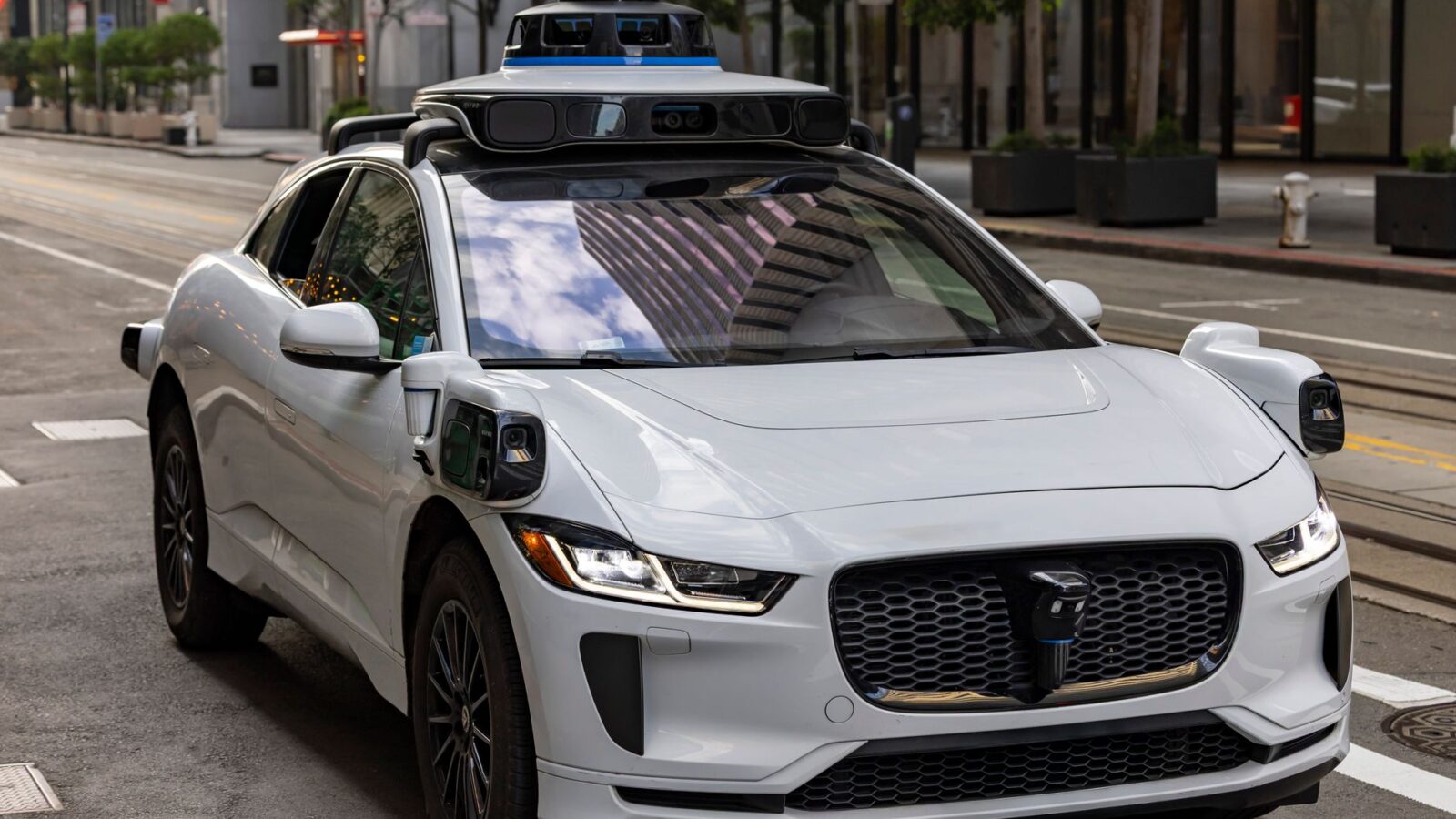
Uber and WeRide launched Madrid’s first commercial robotaxi service in June 2026, bringing fully autonomous ride-hailing to a major European capital.
The Madrid deployment is the fourth city in a 15-city agreement between Uber and WeRide, with Zurich and 11 more cities still to come.
How the Madrid Robotaxi Service Works
Riders hail a WeRide robotaxi using the standard Uber app with a single tap, with no separate app or account required for autonomous rides.
The fleet initially includes trained vehicle operators in the front seat, with fully driverless commercial operations planned as milestones are met.
Per Uber’s press release, Uber and WeRide plan to add hundreds of robotaxis to Madrid’s streets as key performance and regulatory milestones are achieved.
Uber’s Broader European Robotaxi Expansion
Uber aims to operate autonomous vehicle services in more than 10 global markets by end of 2026, with Europe as the primary growth region.
Switzerland joined Germany, France, Austria, Italy, Spain, and the Netherlands as Uber expanded its commercial robotaxi service to Zurich in June 2026.
Uber also revealed a Munich collaboration with Autobrains and NVIDIA to roll out a robotaxi program, marking its first autonomous foray in Germany.
WeRide’s Technology and Track Record
WeRide is a Chinese autonomous driving company with prior commercial deployments in Guangzhou, Abu Dhabi, and Singapore before entering Europe.
Its sensor fusion system combines lidar, radar, and cameras to navigate dense urban environments at city-center speeds without human intervention.
As CnEVPost’s report reported, WeRide’s Uber partnership is structured so Uber handles rider demand and payment while WeRide owns the vehicle technology stack.
The Regulatory Environment for European Robotaxis
Spain’s DGT road authority issued a special autonomous vehicle permit for the Madrid pilot, the first of its kind granted in the country.
EU regulations require human safety operators onboard during initial commercial phases, meaning fully driverless service needs country-level regulatory sign-off.
Per Euronews’s breakdown, Madrid’s city government has committed to streamlining AV permits, seeing robotaxis as part of its smart city transport strategy.
What Cities Are Coming After Madrid
The WeRide and Uber 15-city agreement includes cities across Asia, the Middle East, and Europe, with 11 cities not yet announced publicly.
Zurich, Munich, and Madrid represent the first three European entries, and Paris and Amsterdam are widely speculated as next destinations.
Advanced training for urban robotaxi systems now uses NVIDIA Cosmos 3, as covered in our NVIDIA Cosmos 3 launch coverage of physical AI breakthroughs.
What Robotaxis Mean for the Future of Urban Transport
Commercial robotaxi services reduce per-trip costs as fleets scale, with estimates suggesting autonomous rides could cost 40% less than human-driven ones.
The workforce shift is covered in our AI agents replacing jobs report, where transport job displacement is now accelerating rapidly.
Cities that embrace early robotaxi pilots gain data and regulatory infrastructure advantages that could shape transport policy for a decade.

Trust Post Desk
A journalist and editor at TrustPost.org covering world and national news, technology updates and human-interest stories. They check every fact, interview sources in person or online, and aim to deliver clear, accurate reporting. Their work ranges from breaking news to in-depth features and daily newsletters. Outside the newsroom, they follow emerging trends and engage with readers on social media.