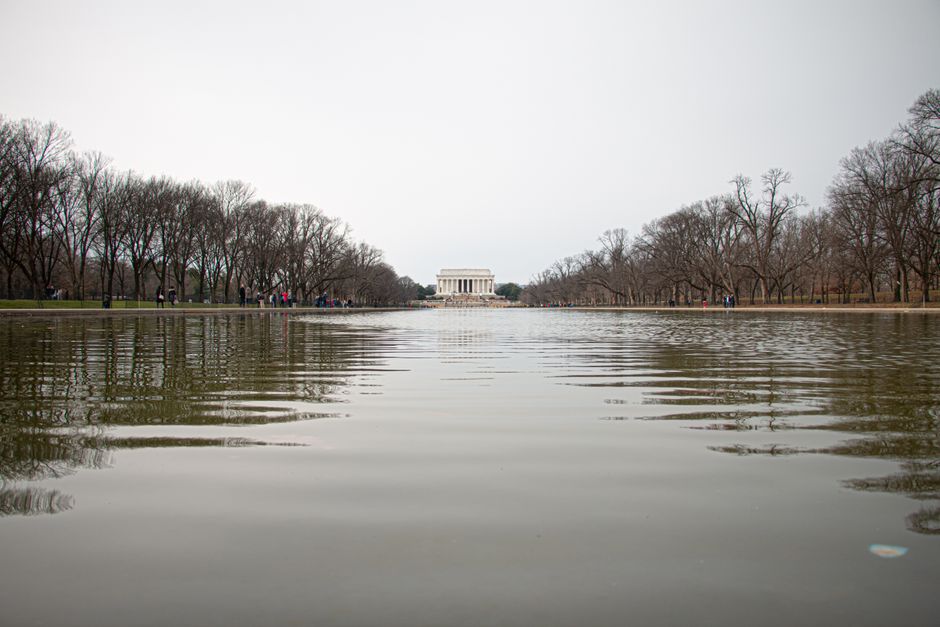
Trump’s $14 million Lincoln Memorial Reflecting Pool beautification project is covered in algae in June 2026.
The pool was repainted ‘American flag blue’ and treated with special coatings meant to prevent algae growth.
Despite the investment, news reports show a thick algae bloom returned within weeks of the project’s completion.
Trump’s Lincoln Memorial Reflecting Pool Project Explained
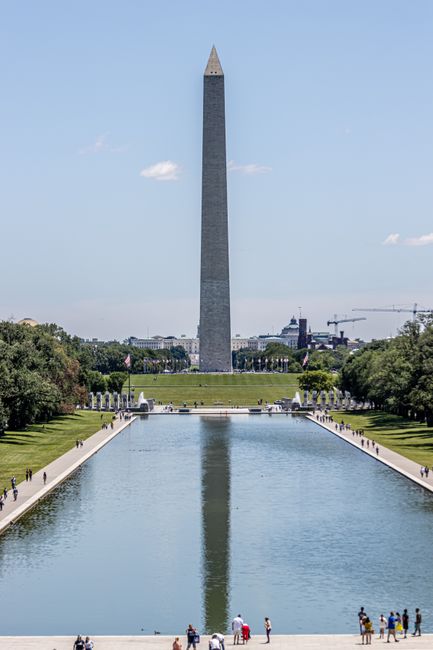
The Trump administration commissioned the project to beautify one of Washington D.C.’s most iconic landmarks.
Contractors applied a blue coating to give the pool an ‘American flag blue’ appearance for the redesign.
The project was announced with fanfare as part of a broader effort to restore and upgrade national monuments.
A $14 million federal budget was allocated from beautification funds designated for the National Mall.
Project officials promised the coatings would resist algae and keep the pool pristine throughout the entire season.
How the Algae Bloom Took Over the Reflecting Pool
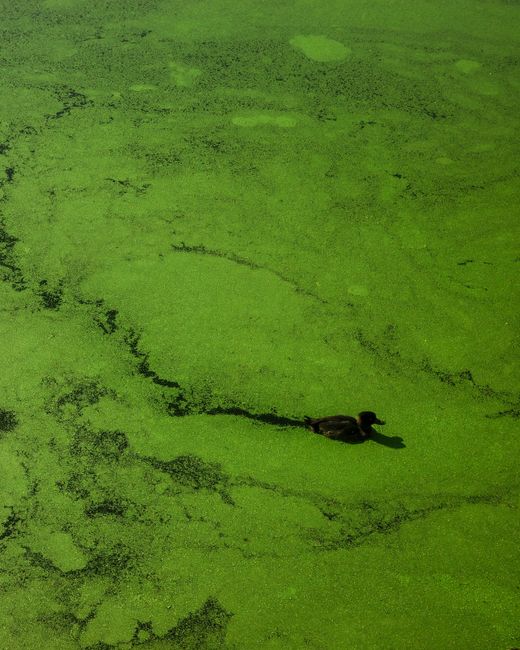
Within weeks of the project completing, dense algae spread across large sections of the pool’s surface.
The bloom turned the water visibly green, directly undermining the American flag blue goal of the project.
Algae experts said the blue surface coating may have raised water temperatures, encouraging faster algae growth.
The pool’s still water and full sun exposure create ideal conditions for algae to flourish rapidly.
Without UV-disrupting water movement, surface treatments lose effectiveness in a matter of weeks.
What Scientists Say About the Lincoln Memorial Algae Problem
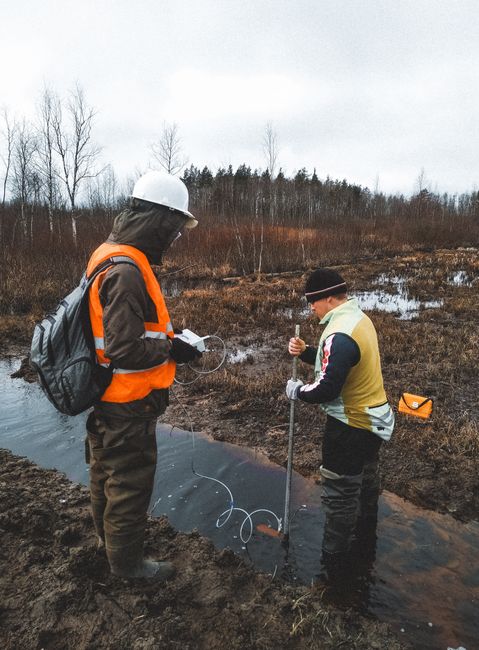
Aquatic biologists say no surface coating can permanently prevent algae in still, sun-exposed water.
Reliable solutions require aeration systems, UV filtration, or regular chemical treatment of standing water.
The pool’s ecology is delicate, and infrastructure experts warn cosmetic fixes miss root causes.
Previous pool managers used regular algaecide treatments and periodic draining to maintain clean water.
The new blue coating may have disrupted the established maintenance routine without replacing its effectiveness.
Political Fallout From the $14 Million Algae Embarrassment
Critics in Congress called the $14 million expenditure ‘wasteful’ given the pool’s now-visible green condition.
Opposition lawmakers held a press conference at the pool to publicly highlight the failed beautification.
The White House has not publicly addressed the algae problem or announced a remediation plan or timeline.
The controversy reflects how government spending decisions can backfire in highly visible public settings.
Visitors have posted thousands of photos of the green-tinged pool across social media since the bloom appeared.
What Happens Next With the Lincoln Memorial Reflecting Pool
The National Park Service, which manages the pool, has not confirmed whether it will override the project’s design.
Independent restoration experts say a full drain, clean, and aeration system installation is the real fix.
A complete remediation could cost several million more beyond the original $14 million project investment.
The situation raises questions about how public funds are allocated for symbolic infrastructure projects.
Restoring the Reflecting Pool to its iconic state will require months of engineering work, not weeks of cleanup.
The Park Service has no confirmed timeline for intervention, leaving visitors greeted by green-tinted water.
Related Articles

Trust Post Desk
A journalist and editor at TrustPost.org covering world and national news, technology updates and human-interest stories. They check every fact, interview sources in person or online, and aim to deliver clear, accurate reporting. Their work ranges from breaking news to in-depth features and daily newsletters. Outside the newsroom, they follow emerging trends and engage with readers on social media.