SpaceX has signed a major compute deal with Reflection AI, an open-source artificial intelligence startup.
The contract is worth up to $6.3 billion through 2029, making it one of the largest AI compute deals ever.
How the SpaceX and Reflection AI Compute Deal Works
Reflection AI will pay SpaceX $150 million per month starting July 1, 2026, for compute access.
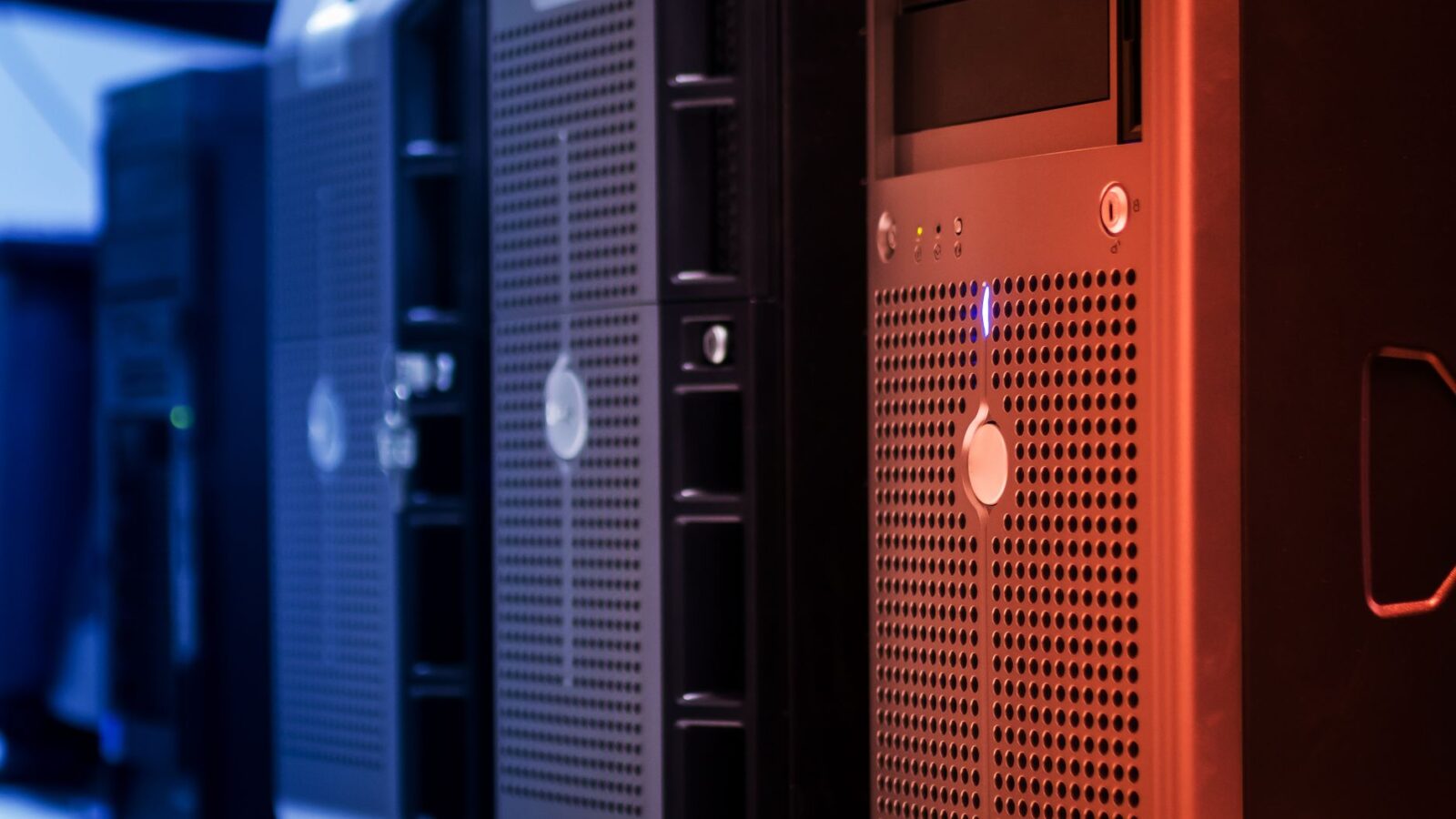
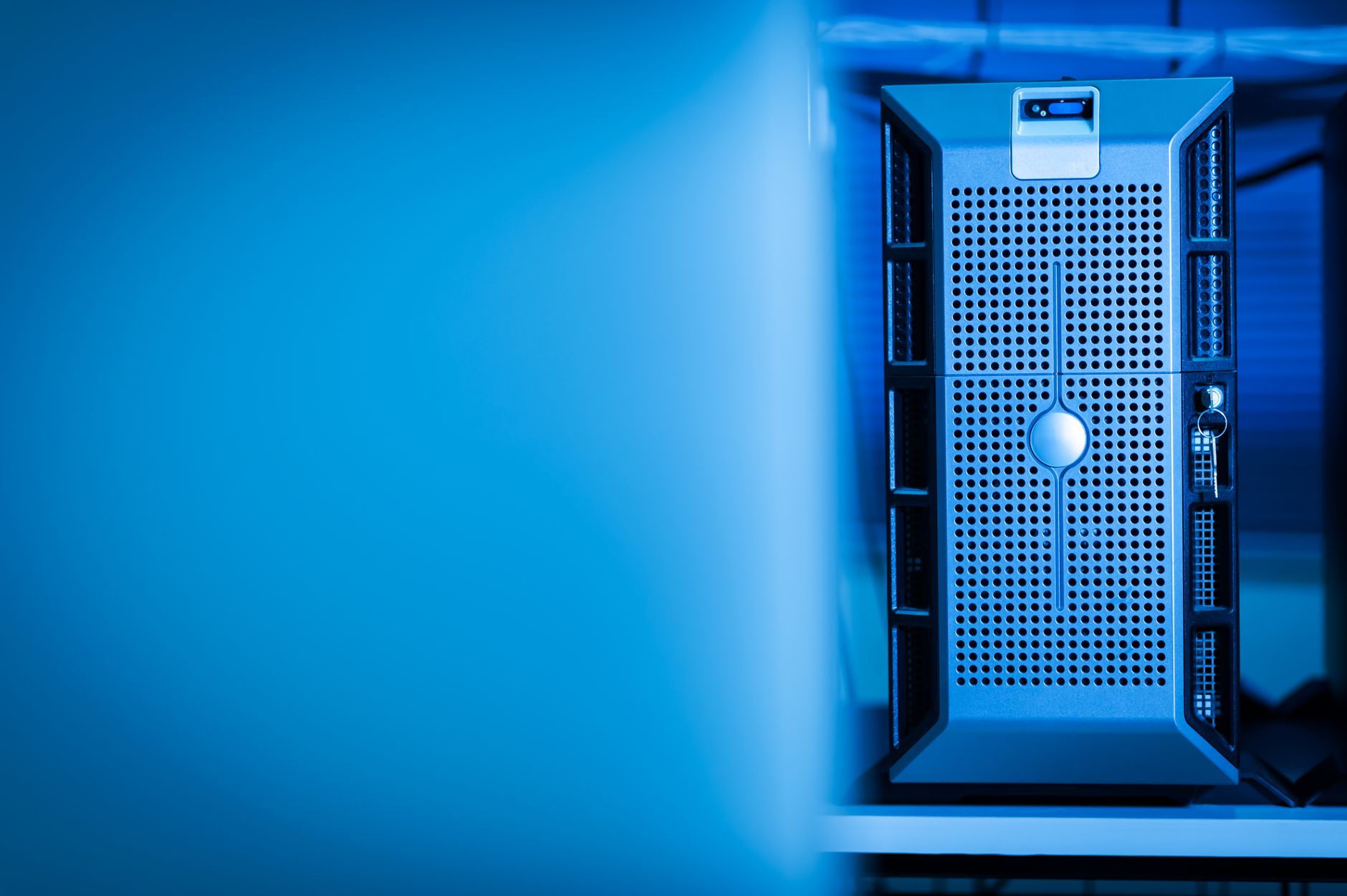
The deal gives Reflection immediate access to Nvidia GB300 chips at the Colossus 2 data center.
Colossus 2 is located near Memphis, Tennessee, and is one of the most powerful AI compute clusters built.
Either company can exit the contract with 90 days notice after the initial three-month period ends.
Full reporting on the deal terms was published at TechCrunch report on the SpaceX Reflection deal on June 22, 2026.
What Is Reflection AI and Why SpaceX Compute Matters

Reflection AI is an open-source AI lab focused on building powerful foundation models for public use.
It has been dubbed the DeepSeek of the West for its focus on open, efficient AI model development.
Access to SpaceX compute gives Reflection the raw processing power needed to train large language models.
Training a competitive large language model can require tens of thousands of high-end AI chips running together.
Governments and enterprises are increasingly turning to open-source AI to reduce reliance on closed systems.
How This SpaceX Compute Deal Compares to Others
SpaceX also signed compute deals with Anthropic at $1.25 billion per month and Google at $920 million.
The Reflection deal, at $150 million monthly, is smaller but still signals serious AI infrastructure investment.
SpaceX runs Colossus as a commercial AI infrastructure platform alongside its space and satellite operations.
This approach lets SpaceX generate steady revenue from compute customers while funding its broader missions.
Additional context on the Colossus data center strategy can be found at CNBC coverage of the SpaceX Colossus deal.
Why Open-Source AI Needs More Compute Investment
Open-source AI models allow developers worldwide to build applications without paying closed-model licensing fees.
But training open-source models requires the same enormous compute resources as proprietary AI systems do.
SpaceX compute access could help Reflection build models that rival closed systems from OpenAI and Anthropic.
Nations are now considering national AI compute strategies to prevent over-reliance on a few private companies.
The Reflection-SpaceX partnership could become a blueprint for how open-source labs access major GPU clusters.
For more on Anthropic and AI industry dynamics, see our article on Anthropic IPO filing and AI industry valuation.
We also covered Apertus open foundation model and sovereign AI in a separate recent post on open AI development.
What This Means for the Future of AI Infrastructure
The rise of purpose-built AI compute facilities signals a new era in how AI companies manage their resources.
SpaceX is now competing with Microsoft Azure, Amazon AWS, and Google Cloud for AI training workloads.
For startups like Reflection, securing compute early is critical before Nvidia chip demand outpaces supply.
SpaceX plans to expand Colossus capacity further in 2026, adding more Nvidia chips and supporting infrastructure.
Related Articles
Anthropic IPO Filing and Valuation: What We Know

Trust Post Desk
A journalist and editor at TrustPost.org covering world and national news, technology updates and human-interest stories. They check every fact, interview sources in person or online, and aim to deliver clear, accurate reporting. Their work ranges from breaking news to in-depth features and daily newsletters. Outside the newsroom, they follow emerging trends and engage with readers on social media.