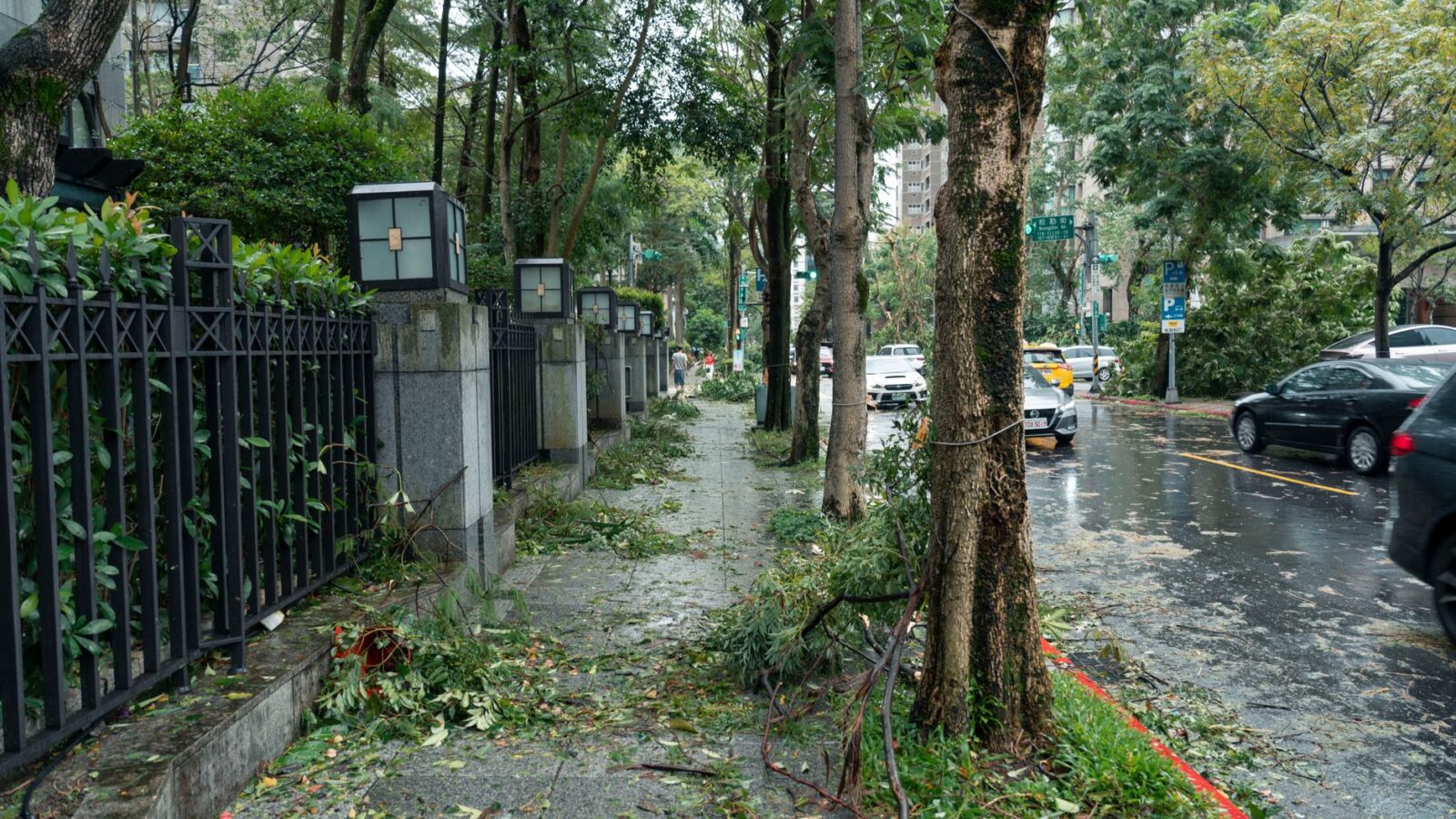
Typhoon Jangmi struck Japan in early June 2026, hitting Okinawa with strong winds and heavy rain across the region.
The storm injured at least 16 people and knocked out power to 48,000 homes in Okinawa and Kagoshima.
How Typhoon Jangmi Developed and Hit Japan
Typhoon Jangmi formed on May 28, 2026, after spending several days as a tropical depression over the Philippine Sea.
The storm tracked northwest toward Japan, gathering strength and developing a large, visible eye structure.
Sustained winds reached 120 kilometers per hour, based on data from the Joint Typhoon Warning Center.
Jangmi was forecast to reach closest to Okinawa on Monday night before moving northeast toward Kyushu.
Full tracking updates and storm data are available at Zoom Earth typhoon tracking for Jangmi with live satellite imagery.
Okinawa and Kagoshima Bear the Worst of Typhoon Jangmi
Okinawa and Kagoshima prefectures were among the worst affected, with heavy rainfall and damaging wind gusts.
Nearly 48,000 homes across both prefectures lost power as the typhoon made its closest approach to land.
Local authorities issued evacuation advisories for low-lying coastal areas and zones prone to landslides.
At least 16 people were injured across the affected regions, with no fatalities confirmed in initial reports.
The Japan Times reported on the typhoon’s path and local impacts at Japan Times coverage of Typhoon Jangmi.
How Jangmi Moved Through Japan After Okinawa
After passing Okinawa, Typhoon Jangmi moved northeast and approached Kyushu, Shikoku, and the Kinki region.
The Tokai and Kanto-Koshin regions also received warnings as the typhoon tracked up the Japanese archipelago.
Torrential rainfall affected a wide swath of the country, triggering flooding concerns in several river basins.
Train services were suspended in multiple prefectures as a safety precaution during the storm’s passage.
Local emergency services responded to flooding reports and conducted rescue operations in impacted neighborhoods.
Airports in Okinawa temporarily suspended flights as Typhoon Jangmi approached with dangerous crosswinds.
The storm was particularly dangerous for low-lying coastal villages and areas near rivers prone to overflow.
Japan issued its highest storm warning level for parts of Okinawa and neighboring Kagoshima Island chains.
Rescue crews pre-positioned in vulnerable areas before Jangmi’s approach to prepare for flooding and landslides.
The Japan Coast Guard placed vessels on standby to assist any ships caught in rough typhoon seas.
Japan’s Typhoon Season and Preparedness in 2026
Japan typically faces its most active typhoon season between July and October, with Jangmi arriving unusually early.
An early-season typhoon like Jangmi can catch communities off guard before peak preparedness protocols are active.
Japan has among the world’s most advanced typhoon warning systems, using radar, satellites, and buoy networks.
The Japan Meteorological Agency issues color-coded storm alerts to help local governments respond quickly.
AI tools now help weather agencies analyze live typhoon data faster, as shown in our guide on AI tools for tracking real-time weather events.
For more on tech and news analysis tools, also see AI company news and industry updates.
Related Articles
Claude Web Search: How AI Finds Real-Time Data

Trust Post Desk
A journalist and editor at TrustPost.org covering world and national news, technology updates and human-interest stories. They check every fact, interview sources in person or online, and aim to deliver clear, accurate reporting. Their work ranges from breaking news to in-depth features and daily newsletters. Outside the newsroom, they follow emerging trends and engage with readers on social media.