
A cyber attack on Tata Electronics has exposed Apple and Tesla trade secrets, with ransomware group World Leaks posting 200,000 files on the dark web.
Tata Electronics, which manufactures roughly one-third of all iPhones assembled in India, confirmed the breach on June 23, 2026.
Tata Electronics Cyber Attack: What Happened and Who Is Responsible
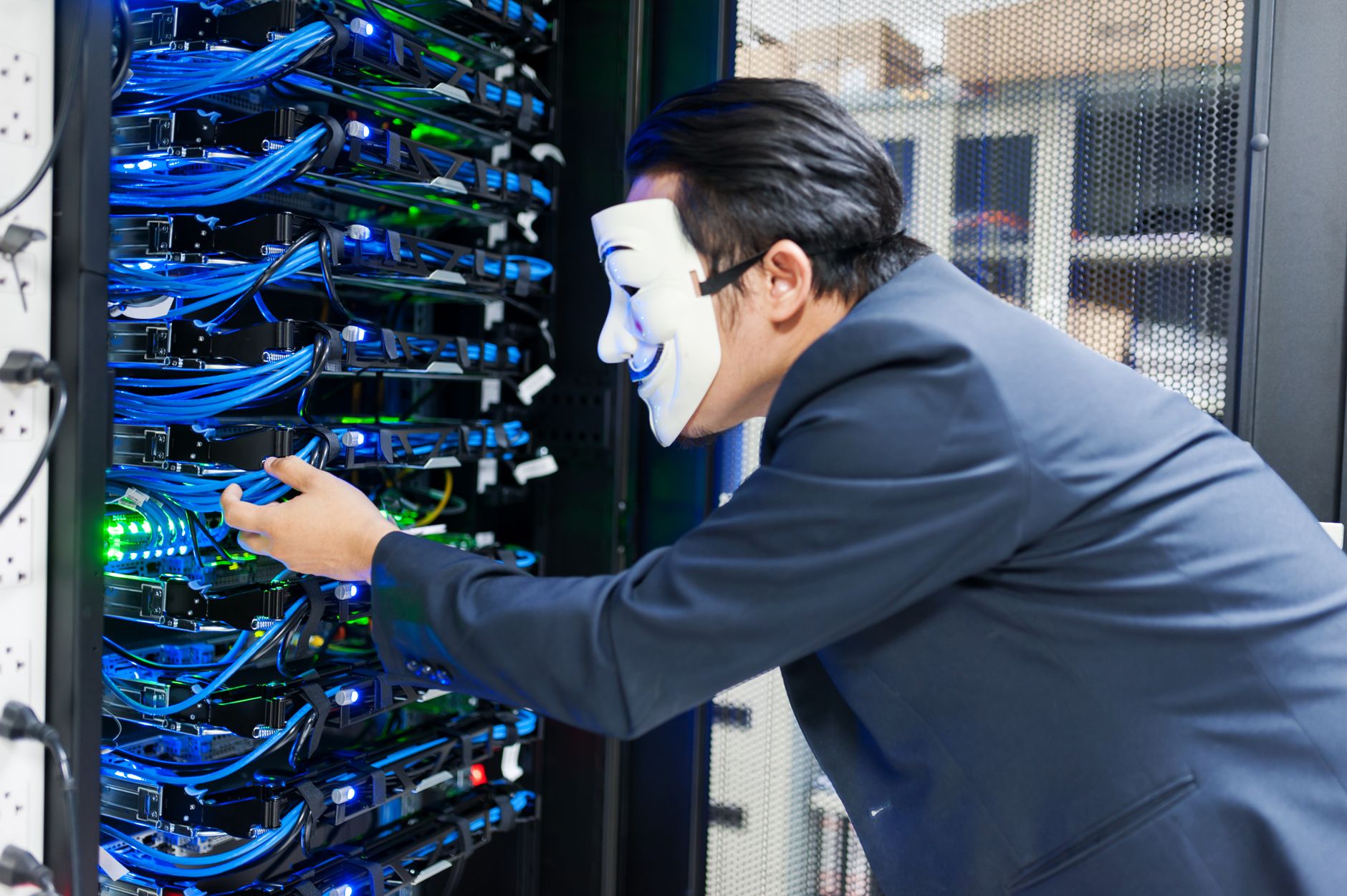
The breach was carried out by a ransomware group calling itself World Leaks, which posted more than 200,000 files on its dark web site.
The stolen data totals over 630 gigabytes and has been accessible on the dark web since at least June 10, 2026.
Security researchers first spotted the leaked files and alerted media, prompting Tata Electronics to confirm the incident publicly.
Tata Electronics stated it detected the breach weeks before public disclosure and immediately activated its cybersecurity response protocols.
The company confirmed the incident has had no impact on its ongoing manufacturing operations across its facilities.
However, it declined to comment on whether a ransom demand was made or whether any payment was considered.
CNBC’s Tata Electronics breach report was the first major outlet to report the breach after security researchers flagged the World Leaks dark web posting.
World Leaks is a relatively new ransomware-as-a-service operation that targets high-profile manufacturing and technology suppliers.
The group steals data before deploying ransomware, using the threat of public leaks as leverage to demand payment.
Unlike traditional ransomware attacks, World Leaks primarily focuses on data exfiltration and public exposure rather than encryption.
Apple Trade Secrets Leaked: What the Tata Electronics Breach Exposed
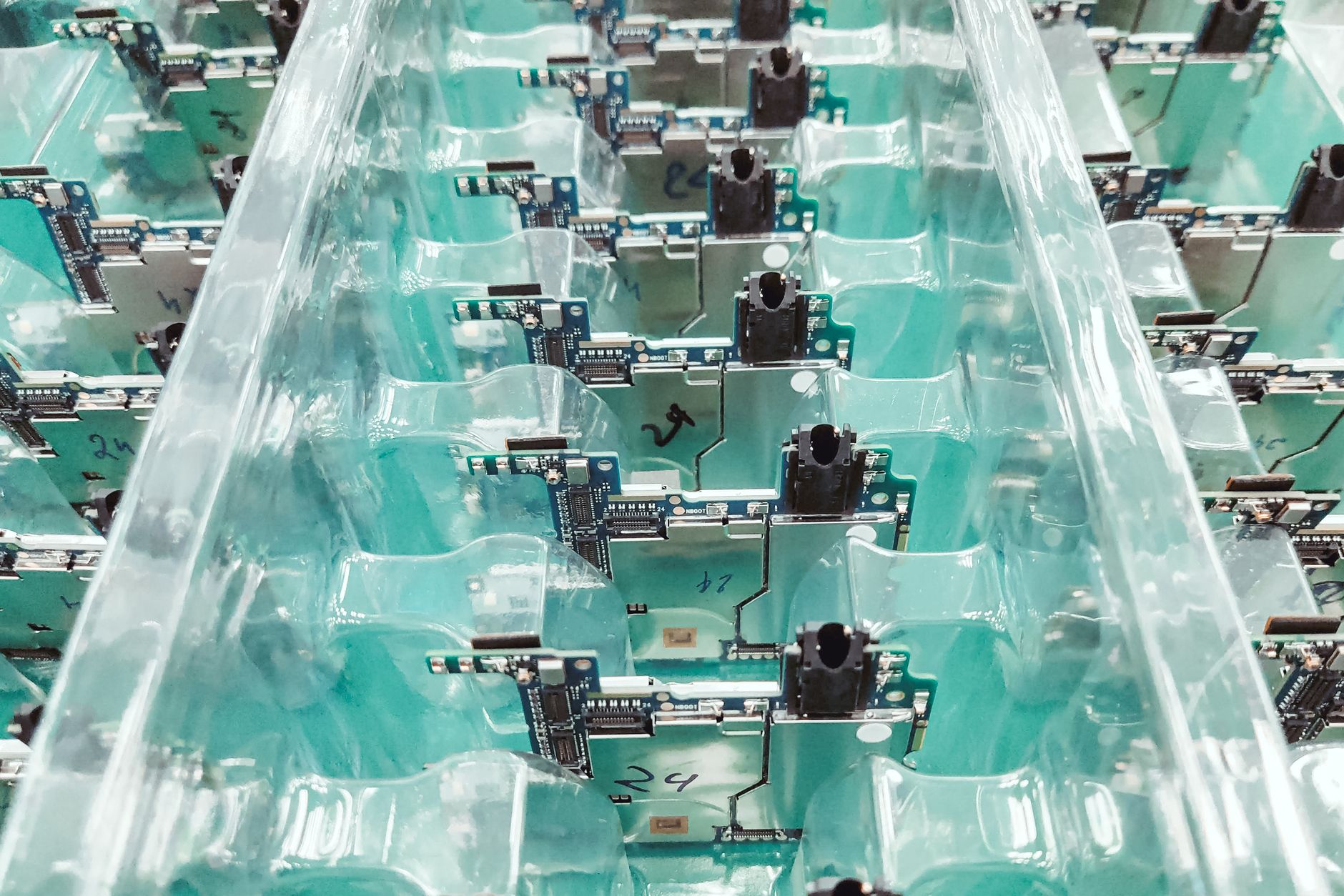
Among the 200,000 leaked files are documents with Apple’s proprietary markings covering iPhone manufacturing quality standards.
Security researchers identified a 52-page quality inspection document for iPhone circuit board components among the Apple files.
The document details Apple’s specific tolerances, testing criteria, and inspection protocols for printed circuit boards used in iPhones.
These specifications represent years of engineering refinement and represent highly sensitive intellectual property for Apple.
Additional Apple folders in the leaked data are titled “com.apple.factorydata” and contain material specification documents.
The files reference Tata’s Hosur plant in Tamil Nadu, one of India’s largest iPhone assembly facilities.
Apple confirmed to Reuters that it was “actively investigating” the breach, with a full analysis described as ongoing.
The company did not issue a public statement but sources indicated internal teams were working to assess the extent of exposure.
If the documents are genuine, they reveal the exacting detail with which Apple specifies component quality at partner factories.
MacDailyNews Tata breach coverage noted this is the most significant exposure of Apple manufacturing documentation in recent years.
Tesla Trade Secrets Exposed: Project Highland and Model Y Chargeport Data
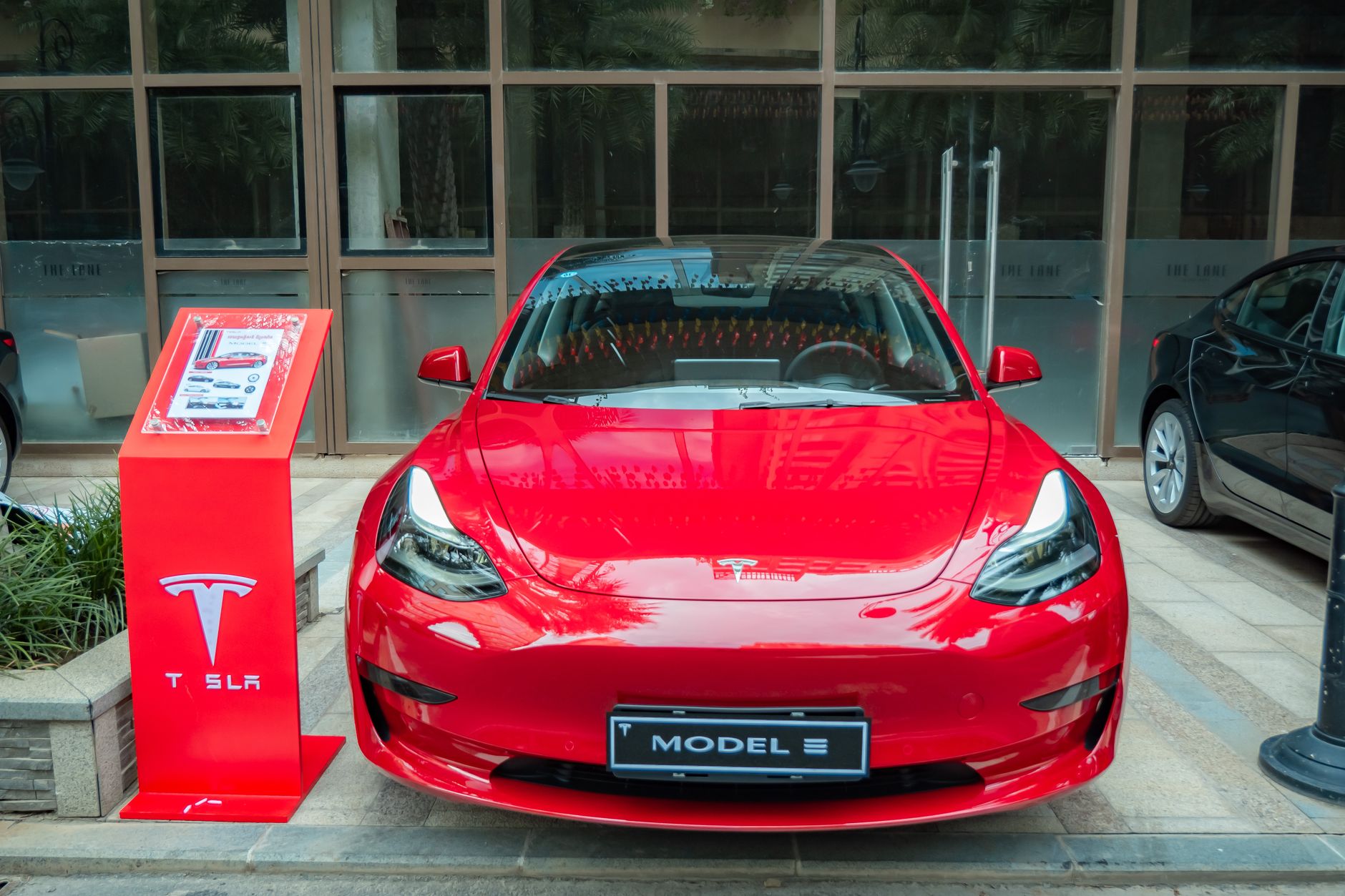
Tesla’s leaked files include internal engineering drawings explicitly labeled “TRADE SECRET” inside the stolen Tata data set.
One folder is titled “NV36 Chargeport Controller – North America” and is believed to reference components for Tesla’s updated Model Y.
A separate 2023 document labeled “TRADE SECRET” contains engineering drawings linked to Project Highland, Tesla’s revamp of the Model 3.
Project Highland was a major internal initiative that resulted in a significantly refreshed Model 3 design with updated interior and exterior.
The chargeport controller files potentially reveal technical specifications of how Tesla integrates charging hardware in its vehicles.
This is particularly sensitive because Tesla’s charging infrastructure and connector design are areas of active industry competition.
Tesla did not immediately respond to press requests for comment following the breach disclosure on June 23, 2026.
It remains unclear how Tata Electronics came to possess Tesla engineering data, as Tata is not publicly known as a Tesla supplier.
Some analysts suggest Tata may have explored supply contracts with Tesla or that the documents arrived through a shared partner.
CyberPress Tata Electronics breach analysis reported that independent security researchers verified the authenticity markings on several of the Tesla documents.
World Leaks Ransomware Group: Inside the Operation Behind the Breach

World Leaks operates a dark web portal where it publishes stolen data from companies that refuse or delay ransom payment.
The group uses a “double extortion” model: steal data first, then encrypt systems, threatening public exposure unless paid.
World Leaks launched in early 2025 and is widely believed to be a rebrand of the Hunter’s International ransomware group.
The Tata Electronics breach is the group’s highest-profile confirmed attack, drawing attention from global security researchers.
The 630 gigabytes of posted data suggests the group had deep access to Tata’s internal file systems over an extended period.
Security experts note that access at this scale typically requires months of reconnaissance and credential harvesting inside the network.
Ransomware groups often gain initial access through phishing emails, unpatched software vulnerabilities, or compromised vendor credentials.
The fact that Tata detected the breach weeks before public disclosure suggests internal monitoring eventually flagged the unusual activity.
However, the volume of data already posted suggests the attackers had already exfiltrated most of their target material before detection.
Law enforcement agencies in India and internationally are believed to be investigating the World Leaks operation.
Tata Electronics Response: How India’s Largest iPhone Maker Reacted
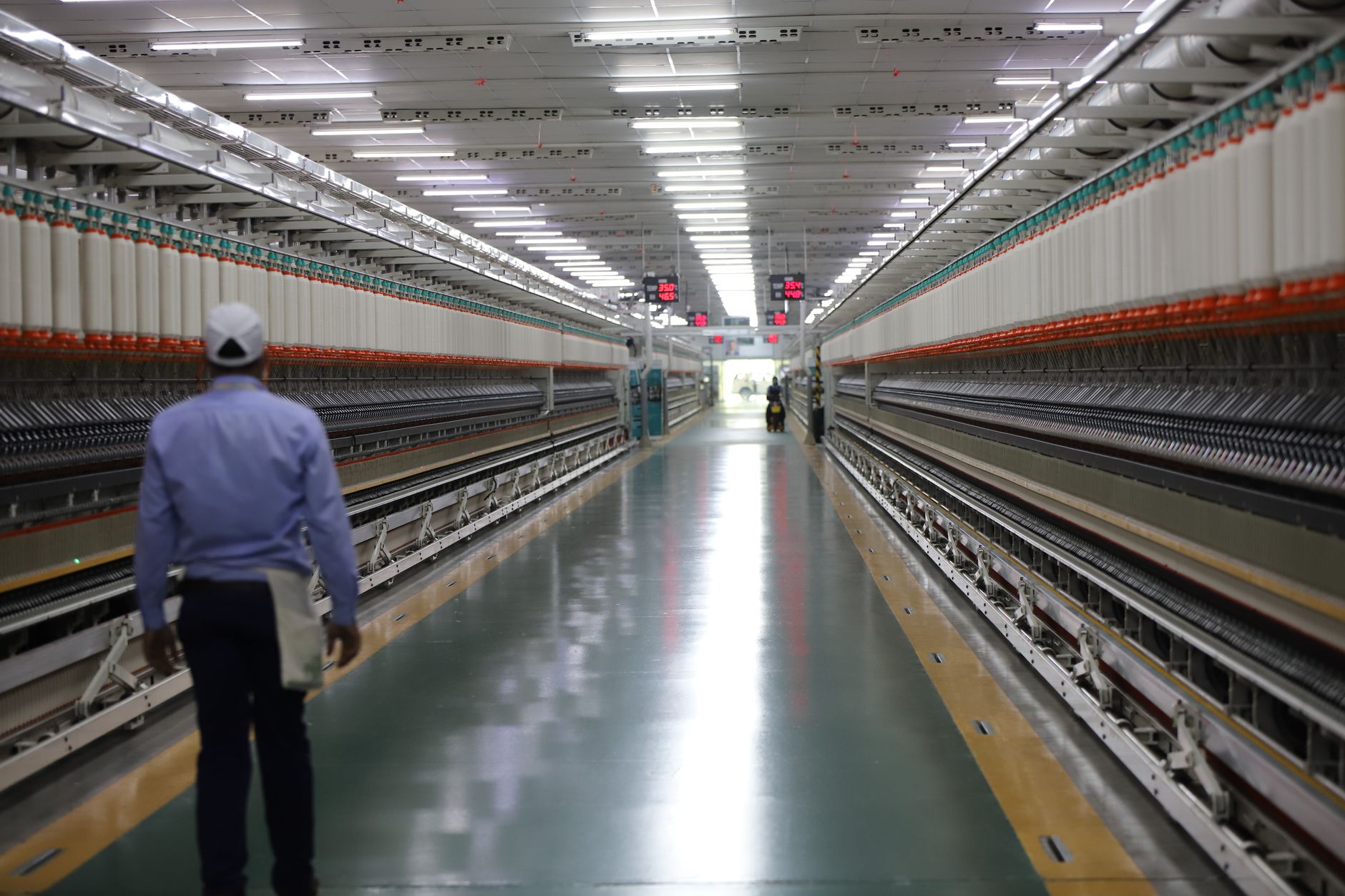
Tata Electronics issued a measured public statement confirming the breach while emphasizing that operations remain unaffected.
The company said response protocols were deployed immediately upon detecting the incident and that its systems continue to function normally.
Tata declined to confirm whether a ransom demand was received or whether any payment was made or considered.
Industry observers note that declining to comment on ransom specifics is standard legal and PR practice during active incidents.
Tata Electronics has grown rapidly as an Apple manufacturing partner following Apple’s strategic push to diversify production out of China.
The company now handles approximately one-third of iPhone production in India, with Foxconn handling most of the remainder.
Tata acquired Wistron’s India iPhone manufacturing operations in 2023 and has since expanded capacity significantly in Tamil Nadu.
A breach of this scale raises serious questions about the cybersecurity maturity of India’s emerging electronics manufacturing sector.
Apple vets its manufacturing partners through rigorous audits, but cybersecurity infrastructure at partner sites varies widely.
This incident is expected to trigger a broader audit of cybersecurity protocols across Apple’s entire India supply chain.
Apple Supply Chain Security at Risk: What the Tata Breach Reveals
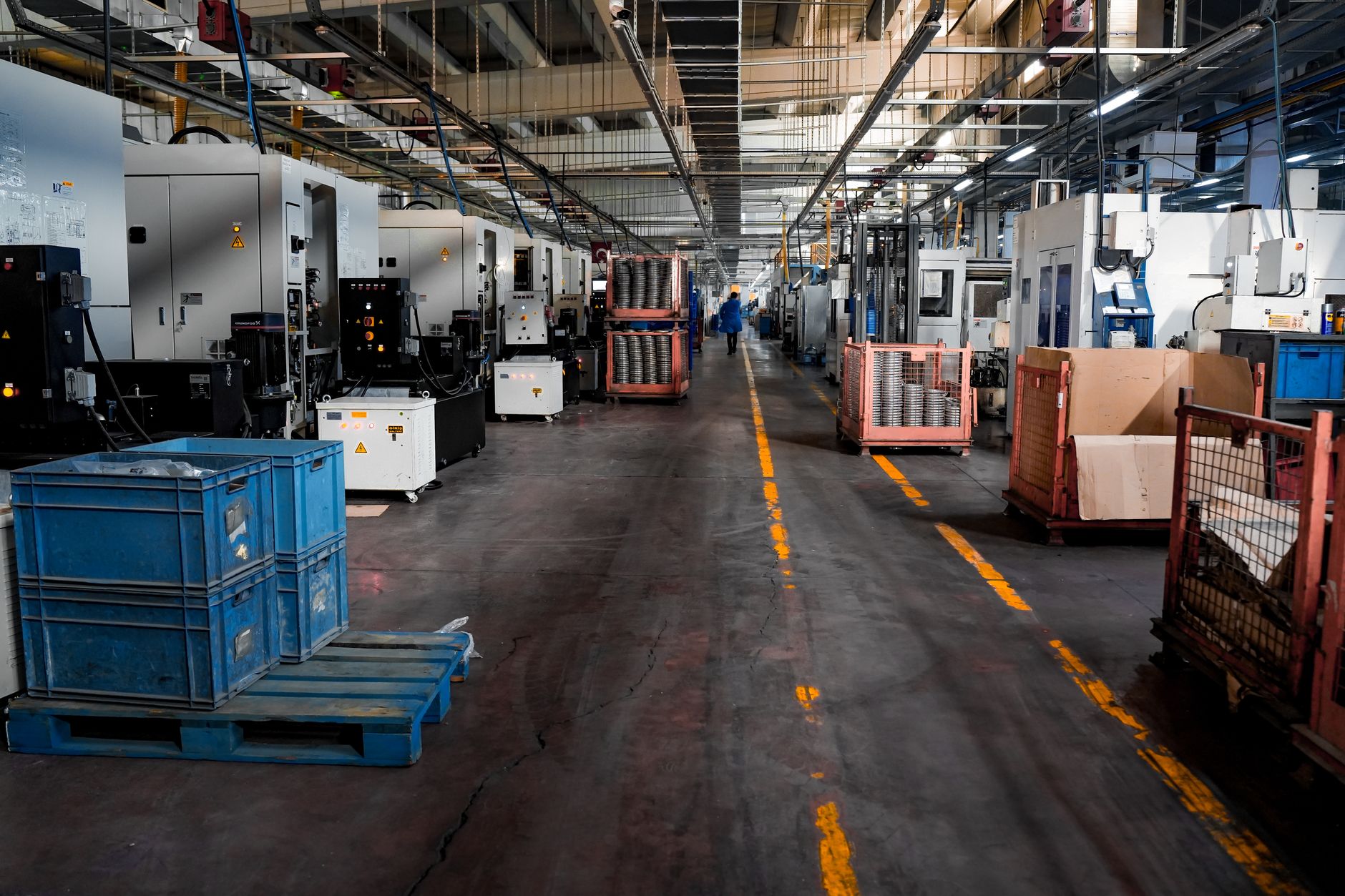
The Tata Electronics breach exposes a critical vulnerability in how major tech companies protect intellectual property at partner factories.
Apple’s most sensitive manufacturing documentation – circuit board specs, inspection protocols, component tolerances – now exists on the dark web.
Competitors who obtain these documents gain insight into Apple’s quality standards, potentially helping them replicate or undercut Apple’s processes.
The breach also highlights the risk of supply chain concentration. With Tata handling a third of Indian iPhone output, one breach hits large.
Cybersecurity experts have long warned that electronics manufacturing hubs in India and Southeast Asia lag behind in security investment.
Manufacturing partners often receive sensitive designs and specifications from their customers, creating a distributed IP protection challenge.
Apple requires suppliers to comply with its Supplier Code of Conduct, which includes data security standards, but enforcement is difficult.
Following this breach, Apple is likely to mandate stronger encryption, air-gapped systems, and more frequent security audits at Tata facilities.
Read our coverage of Apple iOS 27 and Siri AI features announced at WWDC 2026 for broader context on Apple’s hardware and software ecosystem.
The breach also raises questions about whether supply chain partners should be allowed to store customer IP on network-connected systems at all.
What This Cyber Attack Means for Apple, Tesla, and Tata Going Forward

The long-term fallout from this breach will likely reshape how Apple and Tesla manage intellectual property with offshore manufacturers.
Apple may accelerate the adoption of zero-trust security frameworks at its Indian manufacturing partners following this incident.
Zero-trust architecture requires verification at every access point, making it far harder for attackers to move laterally once inside.
Tesla’s involvement is more puzzling, since the company’s relationship with Tata Electronics is not publicly established as a supply agreement.
Tesla may now push for an explanation of how its trade-secret-marked engineering documents ended up on Tata’s servers at all.
For Tata Electronics, the reputational damage may be significant given that Apple relies on trusted manufacturing partners.
Apple has contracts and partnership agreements that include strict data protection clauses, and this breach may trigger legal review.
Cybersecurity insurance claims following ransomware breaches can run into the tens of millions for companies the size of Tata Electronics.
The Indian government is likely to take note, as cybersecurity across the country’s electronics manufacturing sector affects national reputation.
See our Apple Vision Pro vs Snap Specs hardware compared for more Apple hardware context.
Also check our roundup of Apple products on sale during Amazon Prime Day 2026 for the latest Apple savings.
Related Articles
Apple iOS 27 and Siri AI Features Announced at WWDC 2026
Apple Vision Pro vs Snap Specs: Side-by-Side Compared
Best Apple Prime Day Deals 2026: MacBook, iPad, AirPods on Amazon

Trust Post Desk
A journalist and editor at TrustPost.org covering world and national news, technology updates and human-interest stories. They check every fact, interview sources in person or online, and aim to deliver clear, accurate reporting. Their work ranges from breaking news to in-depth features and daily newsletters. Outside the newsroom, they follow emerging trends and engage with readers on social media.