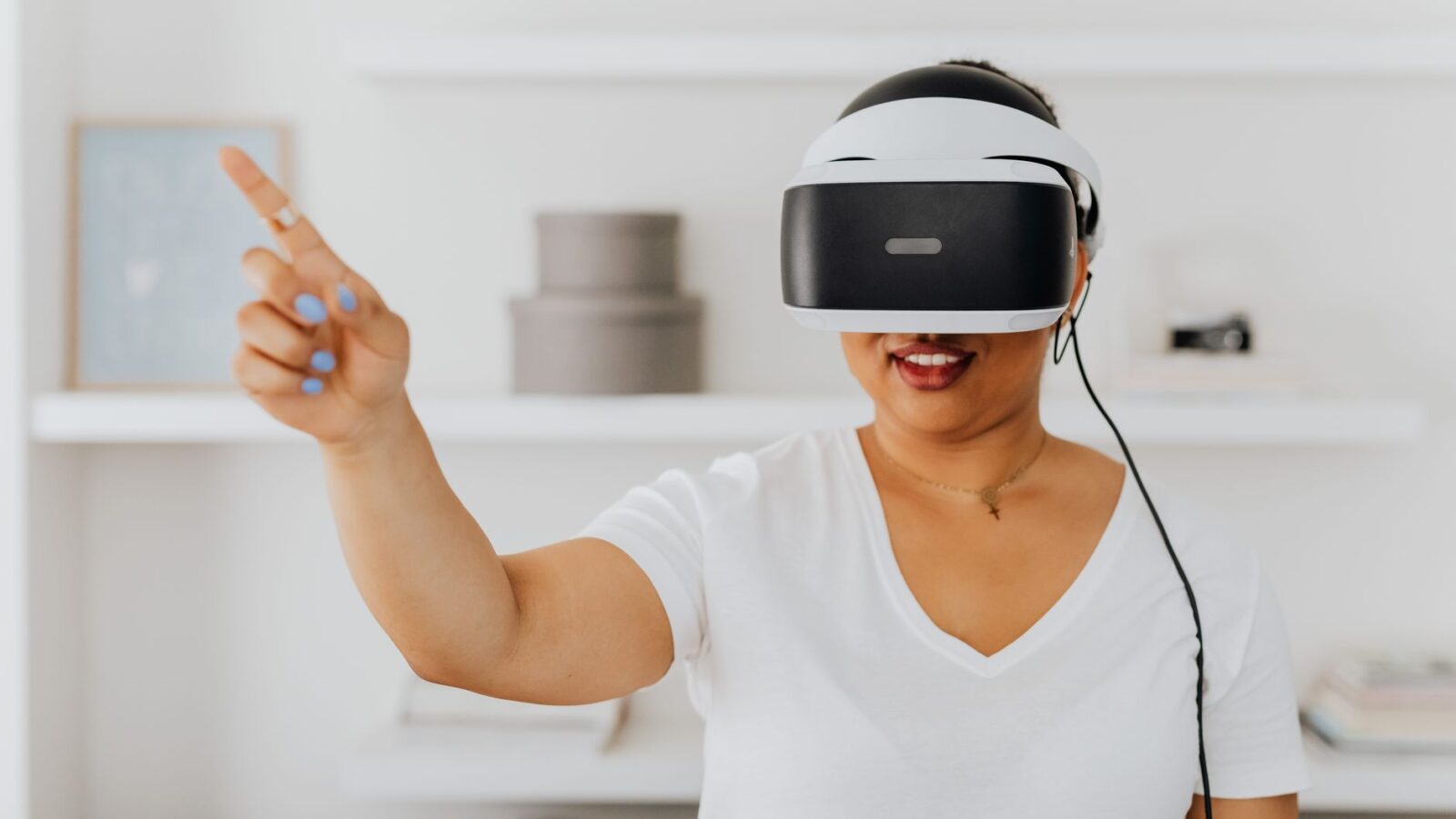
Apple Vision Pro and Snap Specs are two of the most compared face-worn computing devices of 2026, both priced above two thousand dollars.
They take fundamentally different approaches to wearable computing, serving different users with different daily habits and workflows.
What Makes Apple Vision Pro and Snap Specs Fundamentally Different
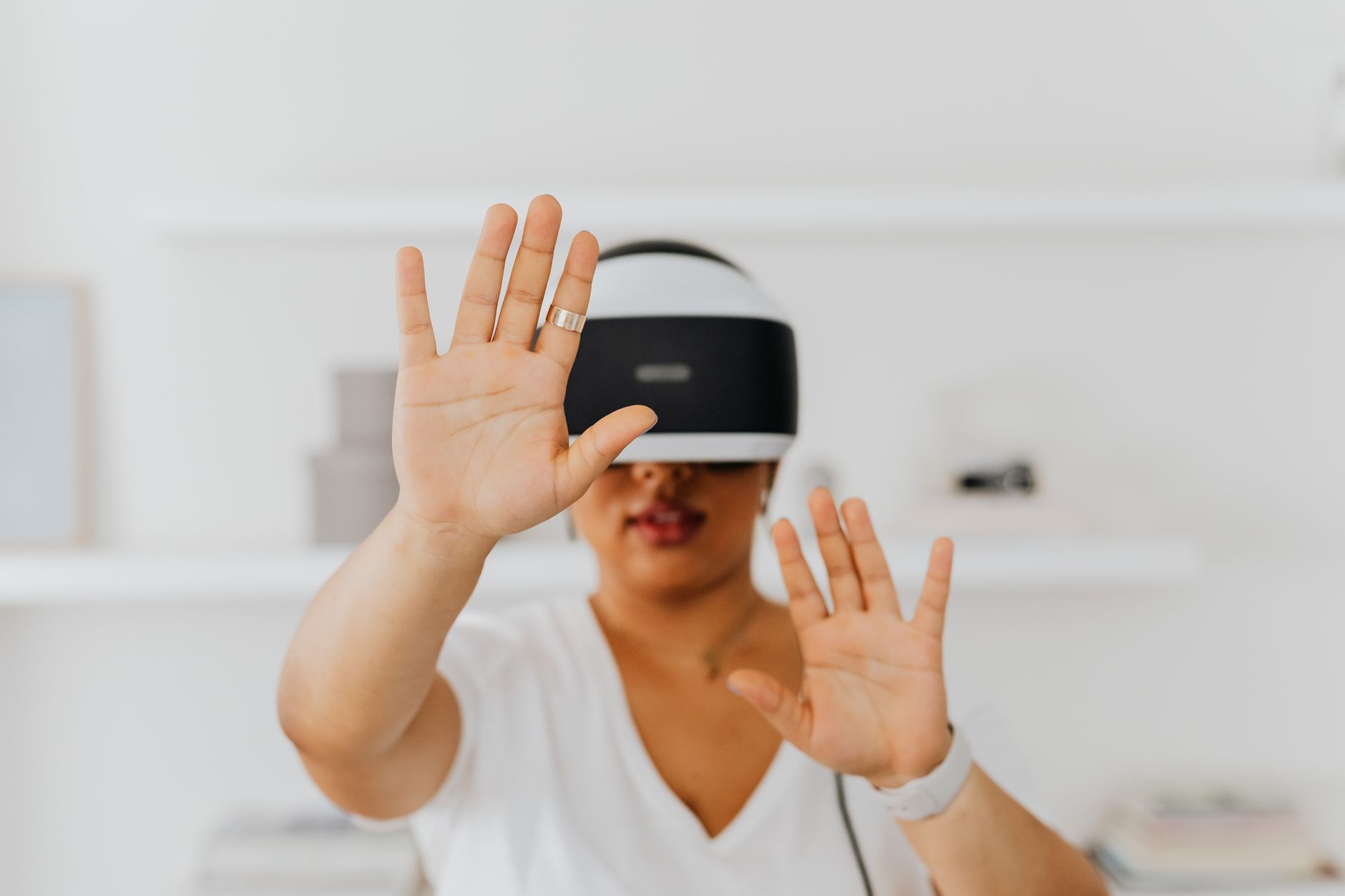
Apple Vision Pro is a self-contained spatial headset that fully replaces your field of view with a digital environment.
Snap Specs are true AR glasses that overlay digital information on top of the physical world you already see.
That single philosophical difference shapes every hardware decision, software feature, and pricing tier for both devices.
Vision Pro seals off the outside world and places you inside a private computing environment with virtual screens around you.
Snap Specs keep you visually present in the real world, adding contextual AR layers without blocking your natural view.
Apple designed Vision Pro for deep focused work: editing documents, watching spatial films, and attending video calls privately.
Snap designed Specs for everyday ambient use: navigation overlays, AI answers, and shared social AR experiences in public.
The two products rarely compete for the same buyer, which is why the comparison must be framed around use case.
Vision Pro suits someone who wants a private immersive workstation for extended solo sessions at home or in an office.
Snap Specs suit someone who wants light, intelligent AR assistance that travels with them through a normal working day.
Defining which category matches your actual daily habits is the most important step before spending over two thousand dollars.
Both devices are early-market products requiring real commitment from the user in terms of habit changes and learning curve.
Apple’s broader intelligence platform is explored in our coverage of Apple WWDC 2026 AI and visionOS announcements.
Snap enters the category as the first company to ship true consumer AR glasses with a standalone display system.
Apple enters as the most powerful spatial computing headset, prioritizing quality over portability for each session of use.
Design and Comfort: Headset Weight vs. True Glasses Form Factor

Apple Vision Pro weighs between 26.4 and 28.2 ounces depending on the Light Seal and band configuration you choose.
That is roughly the weight of a thick hardcover novel strapped across your face for extended computing sessions.
Apple addressed comfort criticism with the M5 model by introducing a Dual Knit Band with an upper head strap.
The strap redistributes weight from the front of the face toward the back of the head more evenly.
Even with the new band, sessions beyond two hours remain physically tiring for many users of the device.
The aluminum and glass chassis houses two Apple chips, a 23-million-pixel micro-OLED display, and a 12-sensor array.
That hardware density is why Vision Pro looks and feels so different from any conventional eyewear product.
Snap Specs weigh just 132 grams in the 47mm frame or 136 grams in the larger 51mm frame option.
In ounces, that is approximately 4.7 ounces, making Specs roughly six times lighter than Vision Pro.
The frame is built from Swiss TR90 polymer, a flexible, impact-resistant material common in high-end prescription eyewear.
Snap designed Specs to pass as ordinary stylish glasses, reducing social friction in public and professional environments.
The device resembles a thick pair of designer sunglasses rather than any piece of traditional consumer technology.
Electrochromic lenses shift automatically from clear to tinted in about 10 seconds based on ambient light levels outside.
This transition lets Specs move from indoor meetings to outdoor environments without any manual intervention from the wearer.
Vision Pro’s Light Seal blocks all peripheral light, creating a physical enclosure around both eyes during use.
That design is ideal for immersion but makes it completely impractical to wear during a conversation with others.
For all-day wearability and social comfort, Snap Specs wins this category against Vision Pro without much contest.
Display Technology: Micro-OLED Immersion vs. LCoS Augmented Reality
Apple Vision Pro uses a custom micro-OLED display system delivering 23 million pixels total across both eyes.
The M5 model raised the maximum refresh rate to 120Hz, reducing motion blur in fast 3D content and games.
That resolution surpasses virtually every commercial VR headset today, producing razor-sharp text in documents and spreadsheets.
Vision Pro covers your full visual field, allowing digital objects to appear floating in three-dimensional space around you.
Apple’s EyeSight feature projects an image of your eyes outward so others can see where your attention is.
This feature softens the social isolation that would otherwise come from wearing an opaque computing headset in public.
Passthrough mode lets you see your surroundings through live camera feeds, though the view has a slight digital quality.
The cameras feed real-time footage at low latency, but it still differs from looking through clear optical glass.
Snap Specs use liquid crystal on silicon (LCoS) display technology, the leading approach for see-through AR glasses today.
The field of view covers 51 degrees diagonally, 30 percent wider than fifth-generation Snap Spectacles developer hardware.
LCoS is an optical display technology, meaning real-world photons travel directly through the lens to your eye.
Digital overlays are projected into that same optical path, creating AR with no camera digitization of your surroundings.
Specs render 16 million colors, producing vivid overlays that blend convincingly with natural lighting in the environment.
For raw pixel count and immersive clarity inside an enclosure, Vision Pro’s micro-OLED is currently unmatched.
Full hardware details appear on the Apple Vision Pro M5 official technical specifications page for those comparing technical specifications in depth.
For true optical AR where the real world retains its natural appearance, Specs’ LCoS approach is technically cleaner.
The right display technology depends entirely on whether you want immersion or presence as your primary experience.
Processing Power and Performance Inside Each Device
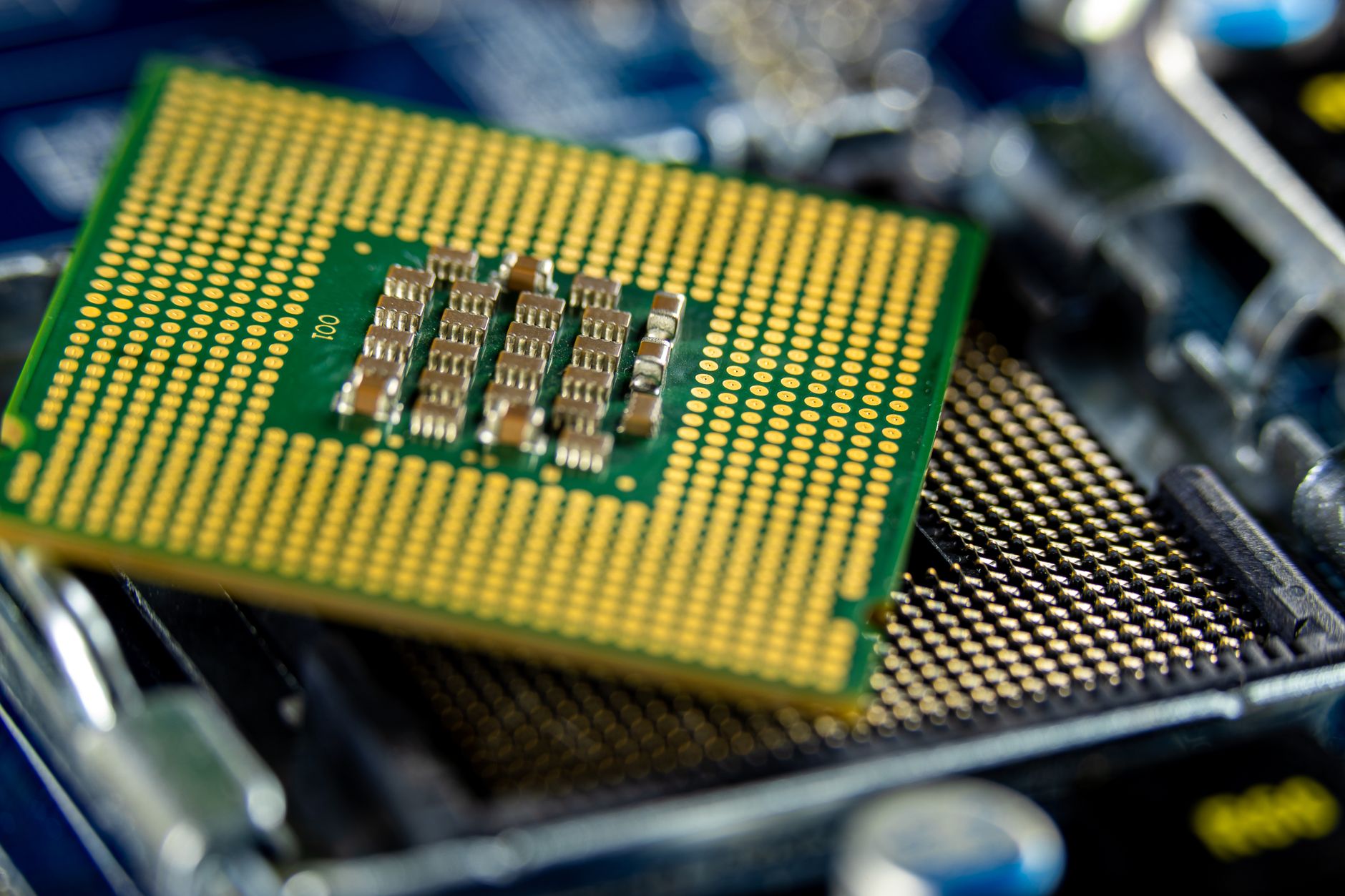
Apple Vision Pro M5 is powered by the Apple M5 chip, the same processor found in current MacBook Pro laptops.
A dedicated R1 chip handles all camera, sensor, and microphone data separately from the main application processor.
The R1 achieves 12-millisecond photon-to-photon latency, fast enough that your brain cannot detect any lag.
This speed eliminates motion sickness for most users and makes extended spatial computing sessions comfortable to endure.
The M5 chip enables Vision Pro to run multiple high-resolution apps, spatial video, and on-device AI simultaneously.
visionOS supports a growing catalog of spatial apps, 3D games, creative tools, and enterprise productivity software.
Apple Intelligence features, including writing tools, summarization, and image understanding, are integrated directly into the platform.
Snap Specs run two Qualcomm Snapdragon processors in parallel, each assigned a distinct and exclusive processing role.
One Snapdragon handles computer vision: hand tracking, spatial mapping, and anchoring objects to real-world surfaces accurately.
The second chip runs Snap Lenses exclusively, the AR overlays and social filters central to Snap’s platform identity.
Dividing those responsibilities means Lenses never compete with spatial tracking for processing resources or memory bandwidth.
Snap OS is purpose-built for AR glasses and lightweight enough to run on mobile silicon without draining the battery.
Snap’s AI assistant can see what you see through the cameras and respond to questions about your surroundings.
This contextual awareness is one of Specs’ most distinctive features and central to its ambient AI identity.
See how AI wearables reshaping personalized health tracking shows the broader trend of AI processing moving into lightweight everyday wearables.
Vision Pro’s M5 is dramatically more powerful than Specs’ dual Snapdragon setup on any benchmark measure.
But Specs were never designed for desktop-class computation, so raw power matters only if that is what you need.
Battery Life and Portability for Everyday Use
Apple Vision Pro ships with a separate external battery pack connected to the headset via a braided cable.
The battery provides approximately two hours of active use or two and a half hours for video playback.
Users can extend sessions indefinitely by connecting Vision Pro to a wall outlet via MagSafe while seated.
The external battery is Vision Pro’s most significant ergonomic compromise for any user hoping to move around freely.
You must carry the battery in a pocket, manage the cable, and stay conscious of power status throughout.
Most Vision Pro users report wearing the device at home or in a dedicated office setting, rarely in transit.
The device is not practical for commutes, coffee shops, or any environment where you might need to walk freely.
Snap Specs deliver up to four hours of mixed-use battery covering video, AI assistance, and Bluetooth notifications.
The included charging case acts as a portable battery bank, adding four full additional charges throughout the day.
Total capacity across Specs and the case reaches up to 20 hours, comparable to premium wireless earbuds today.
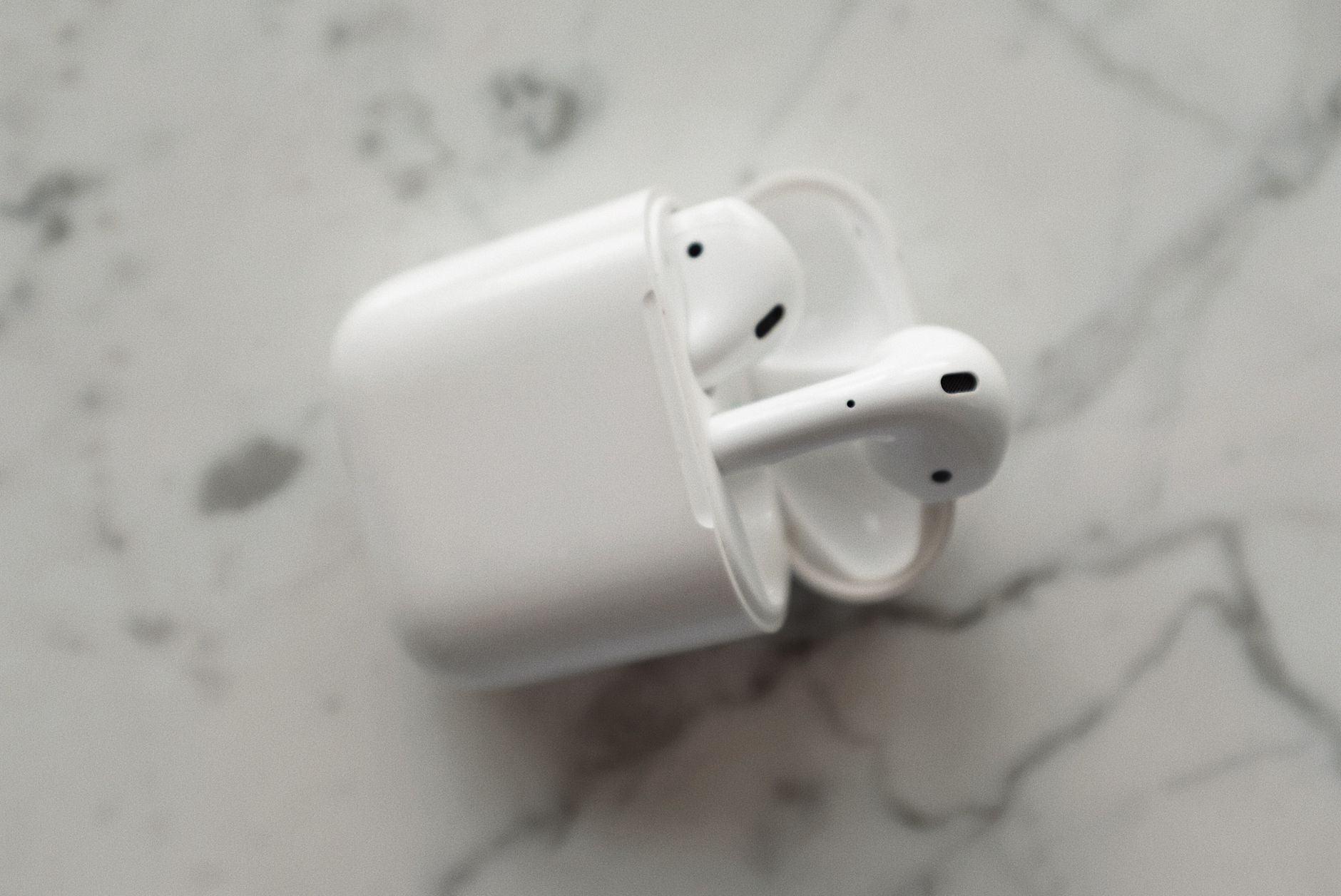
The case design mirrors the AirPods habit: put the glasses in between uses and carry the compact case.
No cable trails from the frame to any external component, making Specs genuinely wearable during commutes or runs.
The TechCrunch review of Snap Specs pricing and features covers journalist first-looks at how Specs perform in real daily portability conditions.
Snap Specs’ battery strategy makes them an all-day wearable; Vision Pro’s strategy makes it a sessions-based device.
If continuous wear across a full workday matters, Snap Specs is the only option of the two.
Price Compared: Who Gets More Value From Each Device
Apple Vision Pro starts at $3,499 for the 256GB model, rising with 512GB and 1TB storage configurations.
Snap Specs are priced at $2,195, with a $200 refundable deposit required to secure a pre-order today.
Specs are expected to ship in fall 2026 first in the United States, United Kingdom, and France.
The $1,300 price gap between devices is meaningful but narrower than the hardware and use-case difference suggests.
At $3,499, Vision Pro targets enterprise users, creative professionals, and early adopters with specific high-fidelity needs.
The device makes most financial sense for video editors, 3D artists, or remote workers needing immersive screen space.
Architecture firms, medical training programs, and spatial media studios represent Vision Pro’s clearest return-on-investment use cases.
At $2,195, Snap Specs target consumers who want true AR glasses rather than a VR headset with a passthrough camera.
Specs are positioned above Meta Ray-Ban glasses, which start around $350 but offer no see-through AR display.
The six-times price premium over Ray-Ban Metas reflects the addition of a full LCoS display system in the frame.
The real question is not which device costs less but which one delivers daily value for your real habits.
Vision Pro delivers that value if you use it for immersive deep work multiple times per week.
Snap Specs deliver value if you want ambient AI assistance and AR overlays integrated into your day naturally.
Neither device is a casual purchase; both require genuine lifestyle integration to justify the investment over time.
Read Road to VR on Snap Specs release date and pricing for independent analysis of Snap Specs as a consumer product at this price tier.
Accessories and smart ring alternatives worth exploring alongside these devices include Oura Ring 5 the world’s smallest smart ring.
Both devices represent the leading edge of face-worn computing, and neither is a finished mass-market product yet.
For most buyers, Snap Specs offer a more practical daily companion; Vision Pro is the deeper solo computing tool.
Vision Pro also requires an Apple ID, an iPhone or Mac for initial setup, and familiarity with the Apple ecosystem.
Snap Specs require a Snapchat account and a compatible iPhone or Android device to manage settings and updates.
The ecosystem lock-in is real for both products, though Apple’s is more complete and more demanding to enter.
Snap has a global user base already familiar with Lenses through the Snapchat app, lowering the software learning curve.
Vision Pro’s app ecosystem is growing but still limited compared to iOS or macOS software catalogs as of mid-2026.
Enterprise buyers will find Vision Pro’s integration with Microsoft 365 and Apple Intelligence far more compelling than Specs offers.
Consumer buyers who already use Snapchat daily will find Specs a much more natural extension of their existing habits.
Related Articles
Apple iOS 27 and Siri AI: Everything Announced at WWDC 2026

Trust Post Desk
A journalist and editor at TrustPost.org covering world and national news, technology updates and human-interest stories. They check every fact, interview sources in person or online, and aim to deliver clear, accurate reporting. Their work ranges from breaking news to in-depth features and daily newsletters. Outside the newsroom, they follow emerging trends and engage with readers on social media.