
ASUS has launched the ROG XREAL R1, the world’s first 240Hz micro-OLED gaming glasses that project a 171-inch virtual screen using Sony OLED panels.
Unveiled at CES 2026, the R1 weighs just 91 grams and connects to the ROG Ally, PS5, Xbox, and PC via a single USB-C cable.
ASUS ROG XREAL R1: World’s First 240Hz Gaming Glasses Announced at CES 2026

The ROG XREAL R1 was unveiled at CES 2026 as a collaboration between ASUS Republic of Gamers and display specialist XREAL.
It is the first pair of gaming glasses in the world to hit 240Hz refresh rate using micro-OLED technology in a wearable form factor.
The glasses weigh 91 grams, which is roughly comparable to a standard pair of sunglasses with a thick frame.
At that weight, the R1 is designed to be worn for extended gaming sessions without the neck fatigue associated with heavier VR headsets.
The device does not require any base station, room setup, or boundary configuration, unlike traditional VR systems.
You plug it into a compatible device via USB-C, put it on, and the display appears immediately in front of you.
ASUS targets the R1 at competitive gamers, handheld gaming enthusiasts, and anyone who wants a large display without a large monitor.
ASUS official ROG XREAL R1 press release describes the R1 as a breakthrough in wearable gaming display technology, combining high refresh rate with genuine portability.
The launch signals a new category of gaming peripherals that sit between traditional monitors and immersive VR headsets.
Pricing has not been officially announced, but analysts expect the R1 to launch above $449, the price of the previous XREAL 1S model.
171-Inch Virtual Screen: How the ROG XREAL R1 Display Technology Works
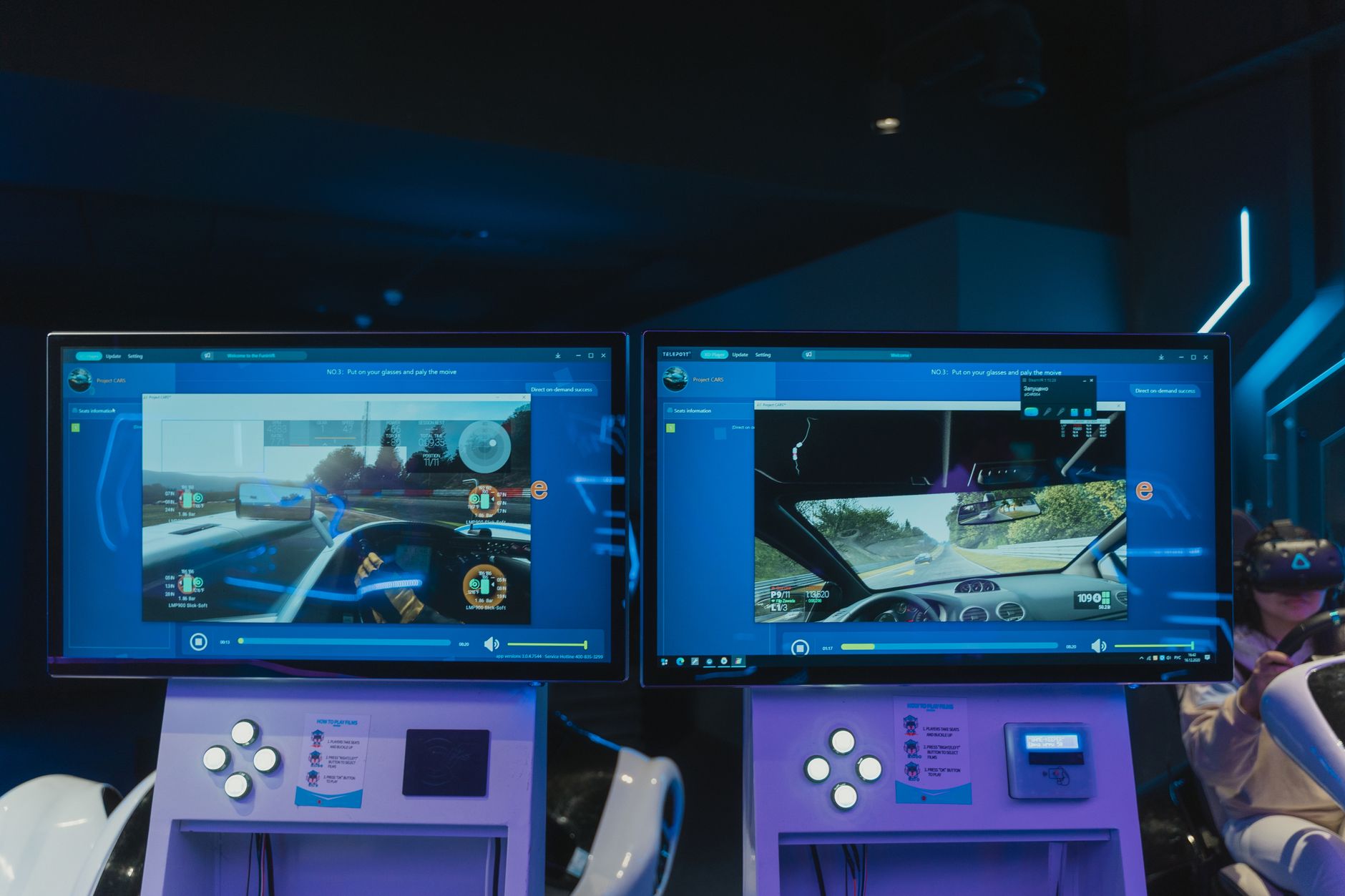
The ROG XREAL R1 projects a virtual screen that appears 171 inches wide when viewed at a simulated distance of 4 meters.
This is not a physical screen but rather a micro-OLED image projected into each lens at a resolution of 1920 x 1080 pixels per eye.
The 57-degree field of view means the virtual display fills approximately 95 percent of your focused viewing area when worn.
The screen can operate in two distinct modes: Anchor mode and Follow mode, each designed for different use cases.
In Anchor mode, the virtual screen stays fixed in 3D space. If you turn your head, the screen stays where it was.
This mimics the experience of looking at a real monitor placed across the room, useful for gaming that requires head awareness.
In Follow mode, the screen moves with your head, always centering itself in your vision regardless of where you look.
Follow mode is better suited for video playback, movie watching, or any content where you want the screen always in front of you.
The 240Hz refresh rate means the display updates 240 times per second, eliminating motion blur in fast-paced competitive games.
Combined with a 3-millisecond motion-to-photon latency, the R1 is the most responsive wearable gaming display ever released.
Sony Micro-OLED Panels: The Technology Behind the ROG XREAL R1 Screen

The display quality in the ROG XREAL R1 comes from Sony micro-OLED panels, the same technology used in high-end medical and broadcast displays.
Micro-OLED panels are significantly smaller than conventional OLED screens, with pixels measured in micrometers rather than millimeters.
This allows manufacturers to achieve extremely high pixel density in a tiny physical area, ideal for near-eye display applications.
Each lens in the R1 contains a separate Sony micro-OLED panel, one for each eye, running at the full 240Hz refresh rate.
Sony’s micro-OLED panels deliver deep blacks, infinite contrast ratio, and faster response times than LCD alternatives.
The 1920 x 1080 resolution per eye is considered functional for gaming but has drawn criticism from some reviewers for not being higher.
PC Gamer ROG XREAL R1 review noted the 240Hz performance is impressive but the 1080p per-eye resolution feels like a compromise.
ASUS made the deliberate choice to prioritize refresh rate over resolution, betting that smoothness matters more to competitive gamers.
For esports titles like Valorant, Counter-Strike, and Apex Legends, 240Hz with 1080p is the standard most players already target.
The result is a display that excels at fast-paced competitive gaming but may disappoint users expecting cinematic pixel density.
ROG XREAL R1 Connectivity: ROG Ally, PS5, Xbox, and PC Setup
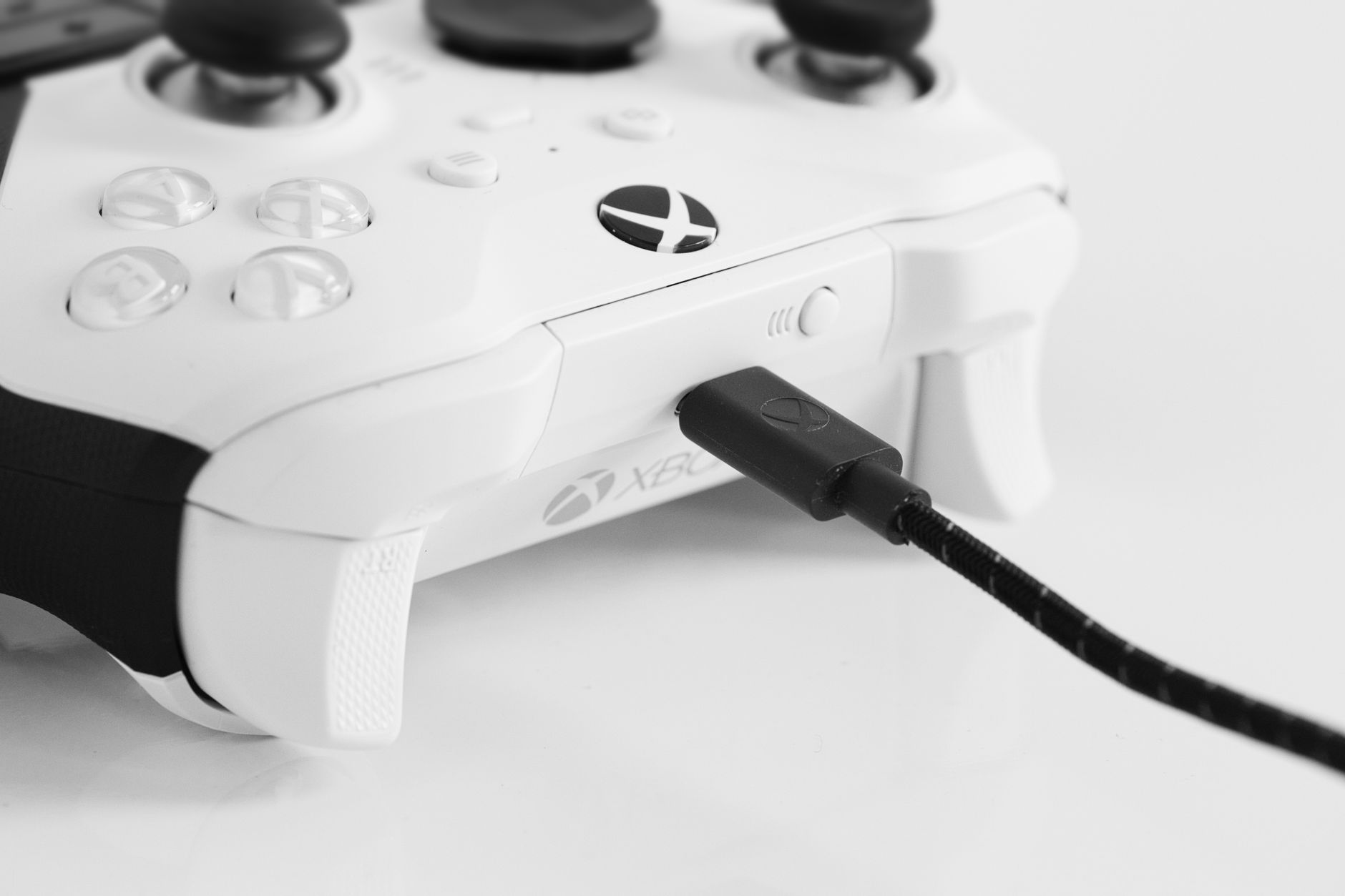
The ROG XREAL R1 is designed with a plug-and-play philosophy, requiring no software installation or companion app for basic use.
The primary connection method is a single USB-C cable, which carries both video signal and power to the glasses simultaneously.
Direct USB-C connection to the ROG Ally handheld console requires zero setup – plug in and the 171-inch virtual screen appears immediately.
The glasses also connect directly to USB-C equipped laptops, MacBooks, iPads, and Android smartphones that support DisplayPort Alt Mode.
For console gamers and desktop PC users, ASUS bundles a ROG Control Dock that expands connectivity options significantly.
The ROG Control Dock provides two HDMI 2.0 ports and one DisplayPort 1.4 port, enabling connections to PS5, Xbox Series X, and desktop GPUs.
The dock also allows you to switch between connected devices using a button, making it easy to hop between console and PC.
HDMI 2.0 supports up to 4K at 60Hz or 1080p at 240Hz, ensuring the dock does not bottleneck the glasses’ peak refresh rate.
DisplayPort 1.4 supports higher bandwidth, making it ideal for PC gaming where you want to push the full 240Hz at 1080p.
FlatpanelsHD ASUS ROG XREAL R1 micro-OLED gaming glasses specs confirmed the dock’s connectivity spec is appropriate for the R1’s display capabilities without adding noticeable latency.
Electrochromic Lens and Bose Audio: The Premium Features of the ROG XREAL R1
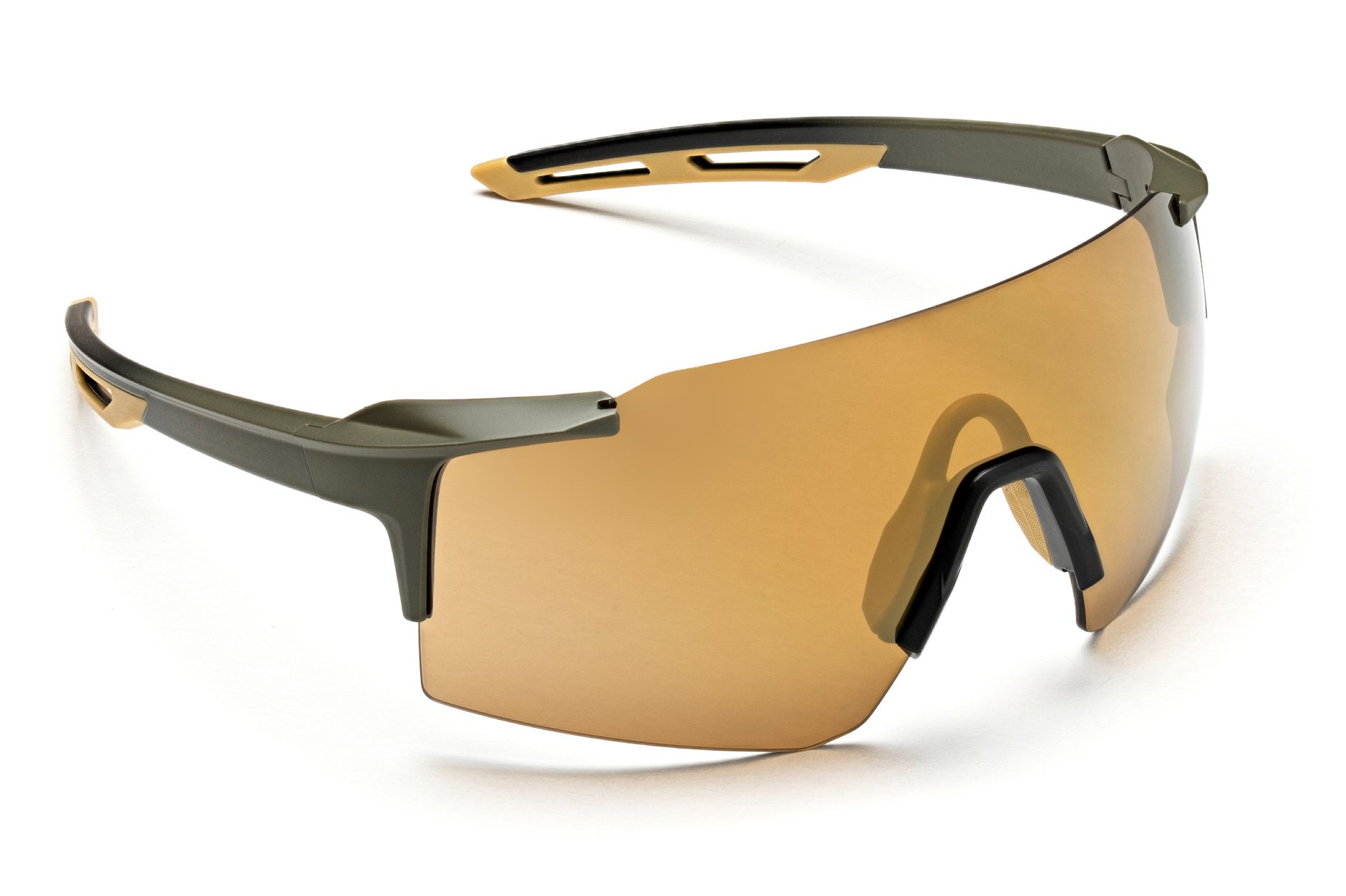
Two standout features differentiate the ROG XREAL R1 from competing AR glasses: its adaptive lens technology and Bose-tuned audio.
The R1 uses electrochromic lens technology, which electronically adjusts the tint of the lenses based on ambient lighting conditions.
Three levels of electrochromic dimming are available, allowing the wearer to control how much of the real world bleeds through the lenses.
In bright outdoor environments, the lenses darken automatically to improve virtual screen contrast and reduce visual interference.
In dim indoor settings, the lenses lighten to maintain spatial awareness, preventing the disorientation of a fully blacked-out display.
This adaptive transparency is a key advantage over traditional VR headsets, which block the real world entirely and can cause nausea.
The audio system is tuned by Bose, delivering spatial sound through speakers integrated into the frame alongside each ear.
Bose’s involvement brings professional-grade audio calibration to what would otherwise be basic frame speakers.
The spatial audio system creates directional sound cues that enhance gaming immersion without requiring separate earbuds or headphones.
If you want premium headphones alongside the R1, check our roundup of best Prime Day headphone deals including Sony and Bose for top-rated options.
ROG XREAL R1 vs Apple Vision Pro and Meta Ray-Ban: How They Compare
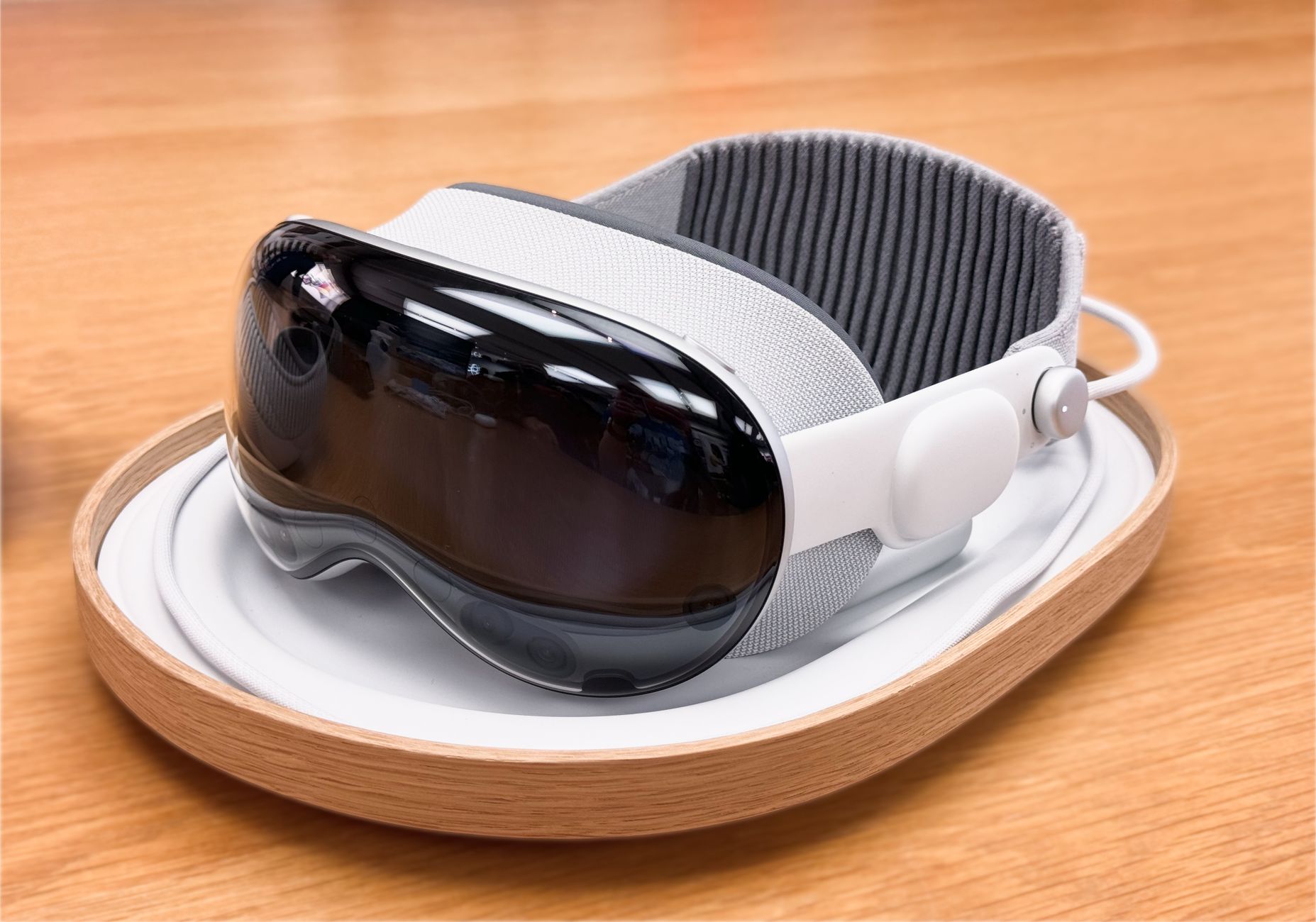
The ROG XREAL R1 occupies a unique position between the consumer AR glasses and full mixed-reality headset categories.
Apple Vision Pro is a $3,499 full spatial computing device with dual 4K micro-OLED displays and a completely enclosed design.
The Vision Pro blocks the real world in passthrough mode, weighs over 600 grams, and requires an external battery pack.
The ROG XREAL R1 is dramatically lighter at 91 grams, see-through by default, and targets gaming rather than productivity.
Meta Ray-Ban smart glasses are fashion-first devices that do not project any visual display – they add audio and a camera only.
The R1 is the only wearable currently that meaningfully combines display projection with genuine gaming-grade refresh rate performance.
See our detailed breakdown of Apple Vision Pro vs Snap Specs for more context on where the wearable display market is heading in 2026.
Compared to other AR glasses like Xreal Air 2 Pro and TCL NXTWEAR S, the R1’s 240Hz refresh rate is an unmatched specification.
The resolution debate aside, no competing AR glasses come close to the R1’s 240Hz performance or the credibility of Bose audio integration.
For pure gaming performance in a wearable form factor, the ROG XREAL R1 has no direct competition in its category today.
Who Should Buy the ASUS ROG XREAL R1 Gaming Glasses in 2026

The ROG XREAL R1 makes the most sense for a specific type of gamer who values portability, large screen feel, and high refresh rate.
Handheld gamers using the ROG Ally, Steam Deck, or similar devices are the primary target audience for the R1.
Playing a competitive game on a 5.5-inch handheld screen is a meaningful downgrade versus a monitor. The R1 solves that gap.
Frequent travelers who want a private large-screen experience on flights, trains, and hotel rooms will find the R1 compelling.
The 91-gram weight means you can wear it for a trans-Atlantic flight without discomfort, unlike any existing VR headset.
Apartment dwellers without space for a large monitor setup can use the R1 as a full-size virtual monitor replacement.
The 1080p per-eye resolution is adequate for fast gaming but may disappoint users who primarily watch high-resolution video content.
If pixel-perfect image quality at close range is your priority, the Apple Vision Pro’s higher resolution displays are more suitable.
For competitive gamers who want 240Hz smoothness in a wearable, the ROG XREAL R1 is currently the only product that delivers it.
Pair it with the right gaming setup and browse Prime Day Amazon device deals for the best tech deals to complement your gaming system.
Related Articles
Apple Vision Pro vs Snap Specs: Side-by-Side Compared
Best Prime Day 2026 Headphone Deals on Amazon: Sony, Bose, Beats
Best Prime Day 2026 Amazon Device Deals: Echo, Ring, Fire TV, Blink

Trust Post Desk
A journalist and editor at TrustPost.org covering world and national news, technology updates and human-interest stories. They check every fact, interview sources in person or online, and aim to deliver clear, accurate reporting. Their work ranges from breaking news to in-depth features and daily newsletters. Outside the newsroom, they follow emerging trends and engage with readers on social media.