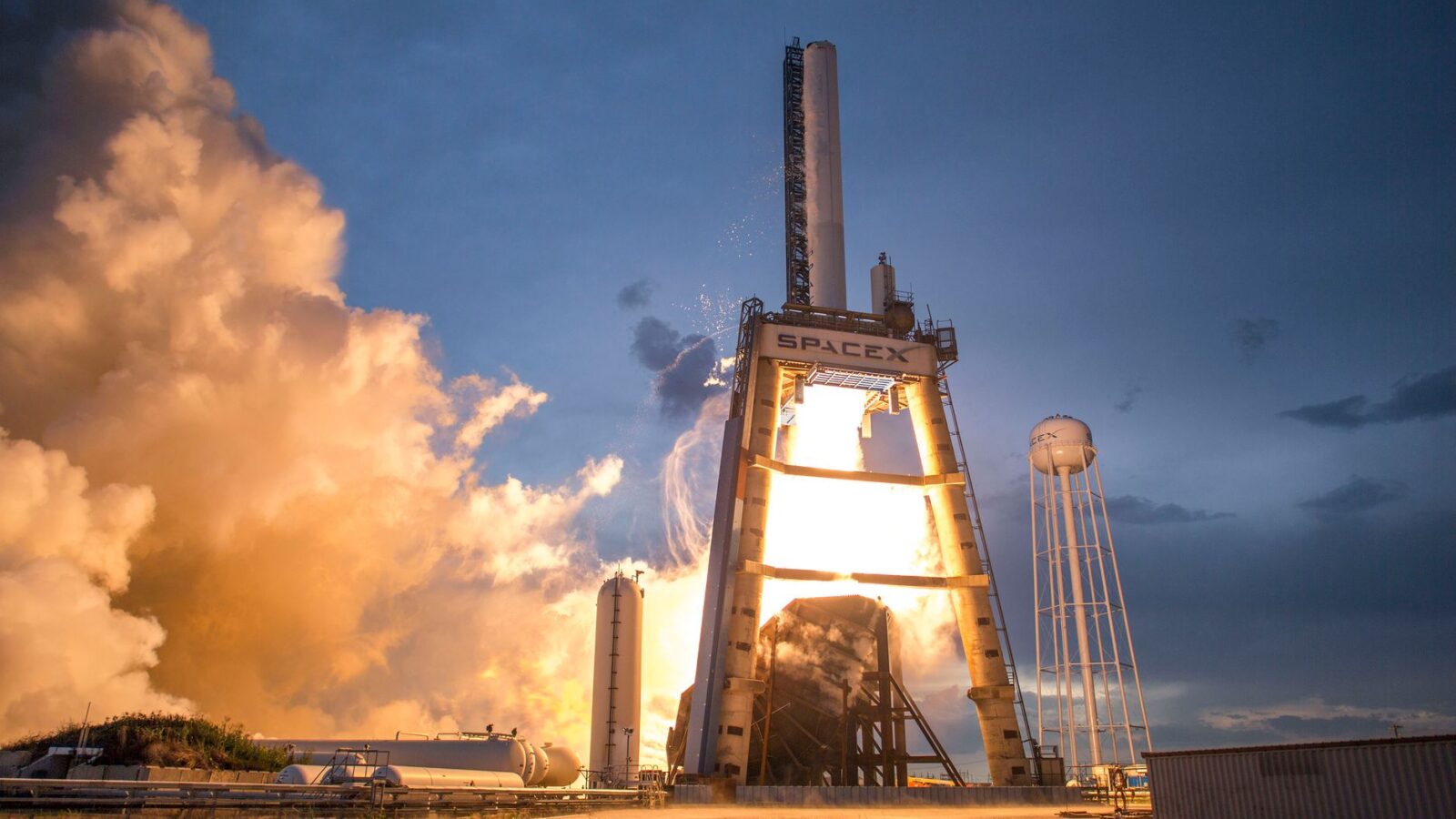
SpaceX Starship Flight 12 marked a major milestone, debuting the upgraded V3 rocket and new Raptor 3 engines.
The test flight launched on May 22, 2026, from Starbase in Texas and met several key objectives.
It set the stage for the next phase of SpaceX’s ambitious lunar and deep-space plans.
SpaceX Starship Flight 12 Lifts Off
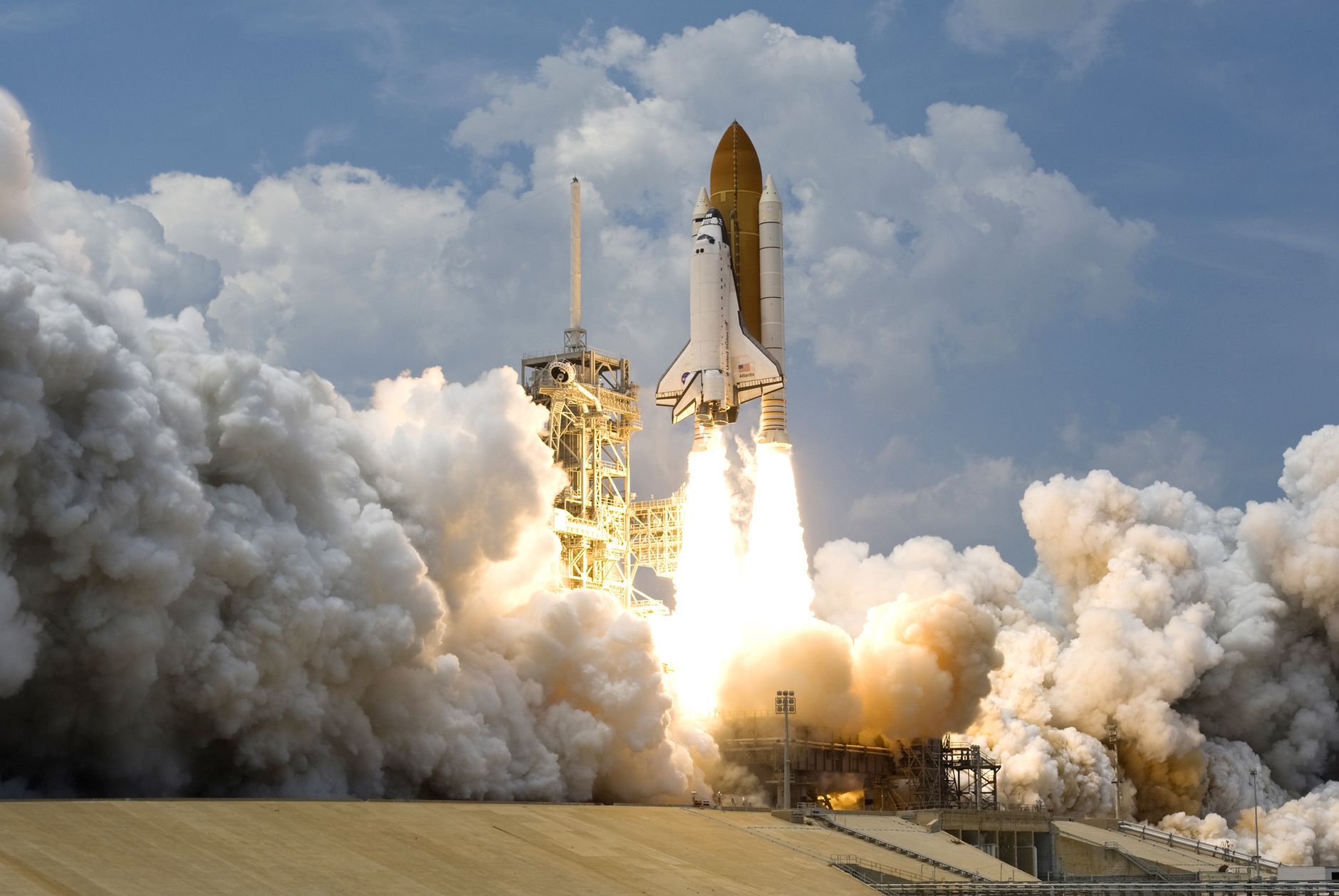
Starship Flight 12 lifted off on May 22, 2026, at 5:30 pm Central from Starbase, Texas.
It was the first flight of the Starship and Super Heavy V3 vehicles.
The mission also debuted the more powerful Raptor 3 engines.
It marked the first Starship flight to launch from the new Pad 2.
As Space.com reported, the flight hit several major targets.
Mock Satellite Deployment and Splashdown
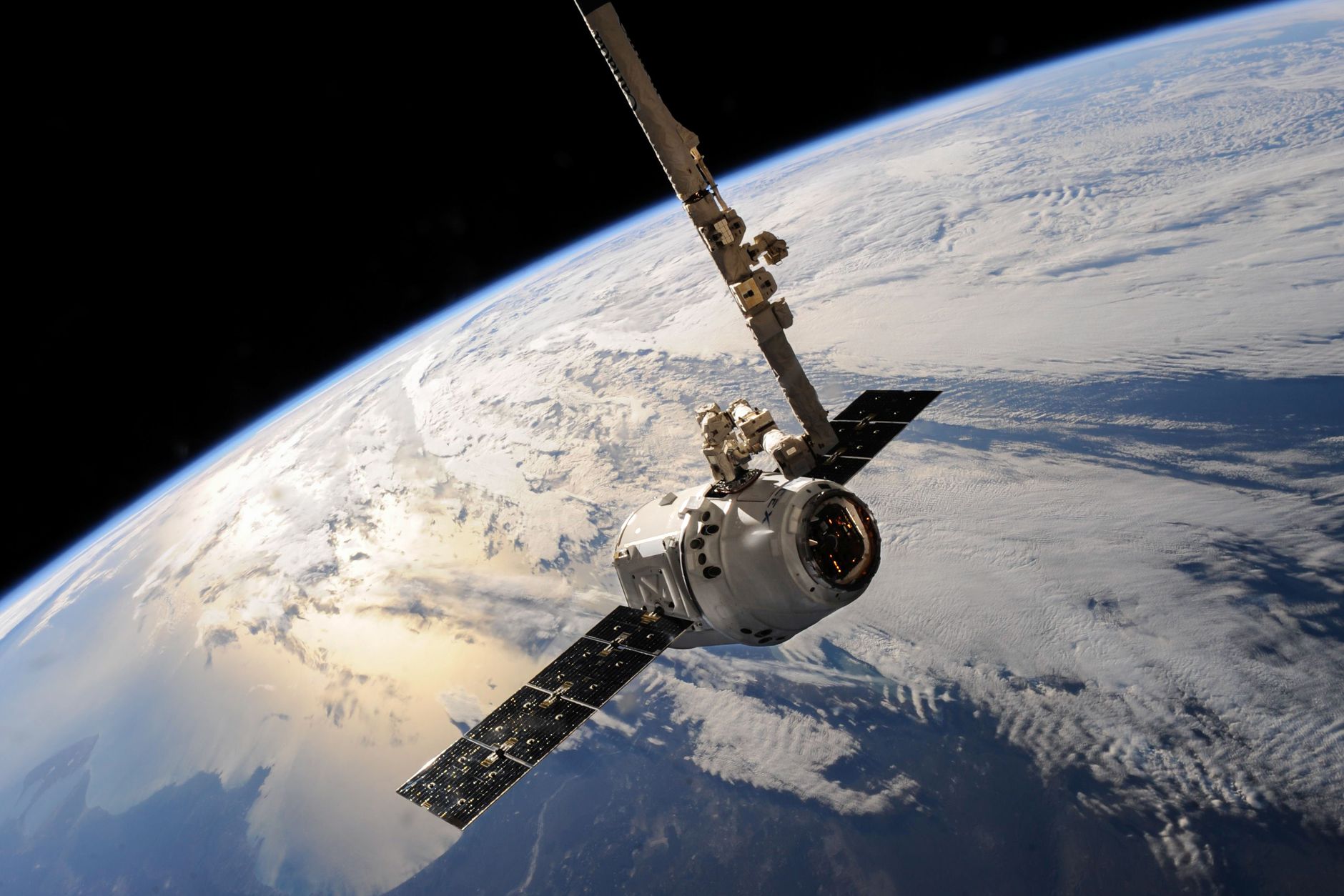
Flight 12 was the first Starship mission to deploy modified Starlink satellites.
The satellites were used to image Starship while in space.
Starship achieved a controlled splashdown in the Indian Ocean as planned.
The flight gathered critical data on the heatshield and structural strength.
Stress-Testing the Vehicle
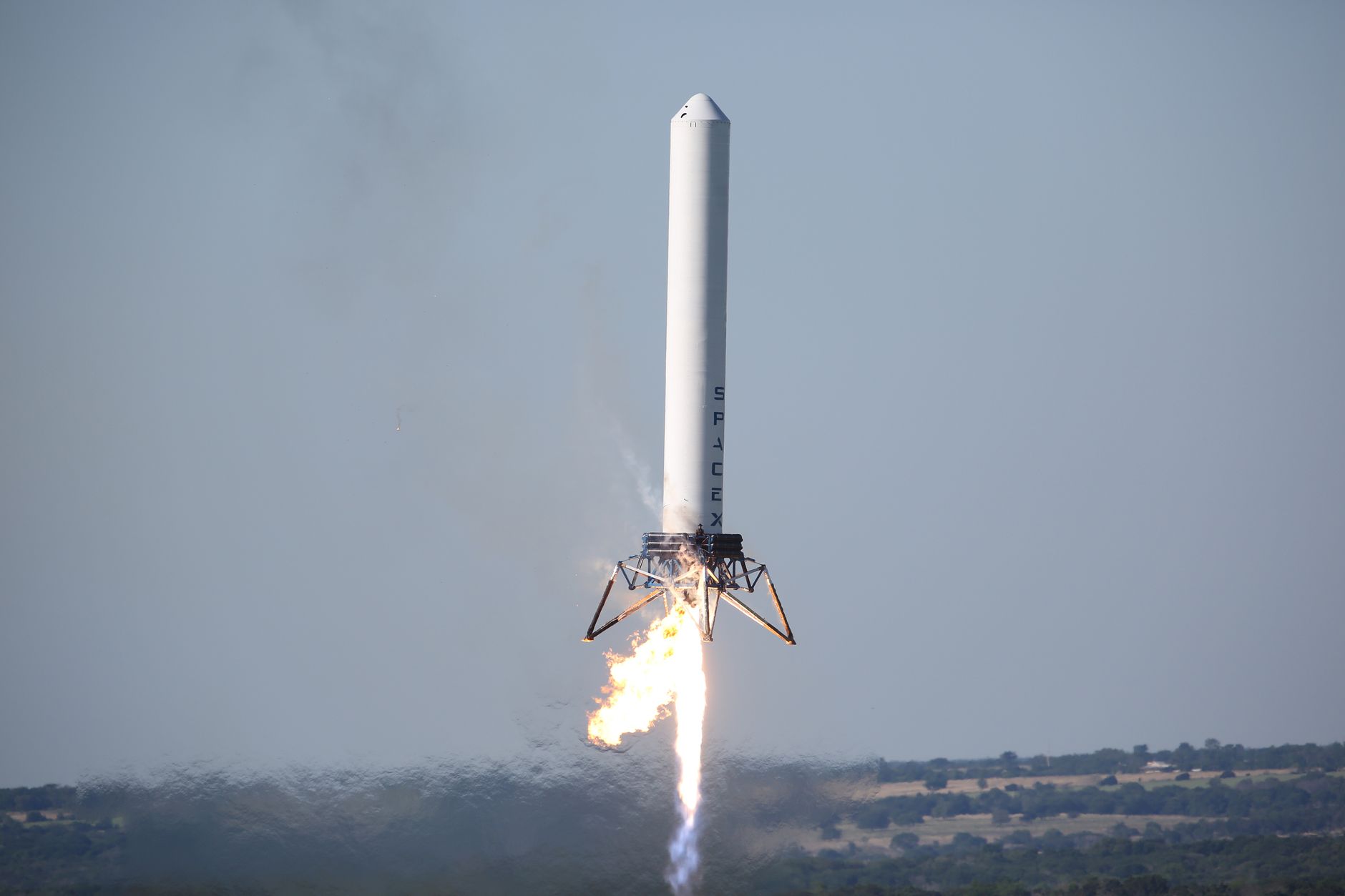
In the final minutes, Starship intentionally stressed the limits of its rear flaps.
It performed a dynamic banking move to mimic future return trajectories.
The maneuvers help engineers prepare for missions returning to Starbase.
Such tests are vital for making Starship reliably reusable.
What Comes Next for Starship

SpaceX is targeting a long-duration flight test as a next major milestone.
An in-space propellant transfer test is also planned, both in 2026.
These steps are tied directly to future lunar landing missions.
Starship is central to NASA’s Artemis plans to return humans to the Moon.
NASA’s own milestones featured in our Roman telescope coverage.
As SpaceX detailed, the flight advanced its rapid test campaign.
The V3 vehicle represents a significant upgrade over earlier versions.
SpaceX iterates quickly, flying often to gather real-world data.
Each milestone brings the program closer to operational missions.
The flight tested re-entry, deployment, and structural performance together.
Starship’s progress is closely watched across the space industry.
The program aims to make rapid, full reusability routine.
Starship is the largest and most powerful rocket ever built.
Reusability is central to SpaceX’s goal of lowering launch costs.
The V3 upgrades aim to boost performance and reliability.
Raptor 3 engines are designed to be simpler and more powerful.
Each test flight gathers data to refine the next iteration.
Propellant transfer in orbit is key to deep-space missions.
SpaceX has launched Starship repeatedly to accelerate development.
The Indian Ocean splashdown demonstrated controlled re-entry.
Future flights will push toward orbital refuelling capability.
NASA is counting on Starship for crewed Moon landings.
The program has progressed rapidly despite earlier setbacks.
Engineers continue to test the vehicle’s structural limits.
Starbase remains the heart of SpaceX’s Starship operations.
SpaceX will analyse the flight data to refine the next vehicle.
Each test brings Starship closer to operational missions.
The program is central to NASA’s lunar ambitions.
Reusability remains the key to lowering launch costs.
Related Articles
NASA Roman Space Telescope Heads Toward 2026 Launch
Apple WWDC 2026: Siri AI and Apple Intelligence Take Center Stage

Trust Post Desk
A journalist and editor at TrustPost.org covering world and national news, technology updates and human-interest stories. They check every fact, interview sources in person or online, and aim to deliver clear, accurate reporting. Their work ranges from breaking news to in-depth features and daily newsletters. Outside the newsroom, they follow emerging trends and engage with readers on social media.