The NASA Roman Space Telescope arrived in Florida in June 2026, moving closer to its highly anticipated launch.
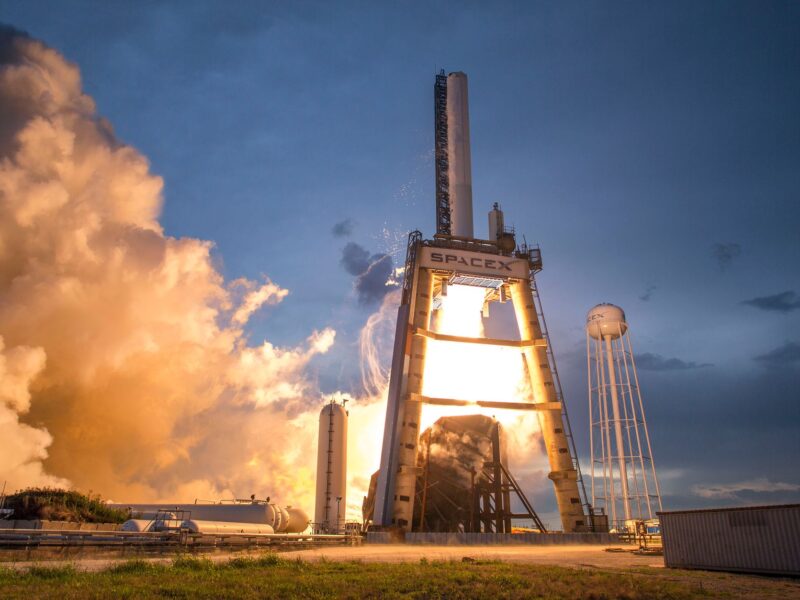
The powerful new space telescope is set to lift off on August 30, 2026, aboard a SpaceX Falcon Heavy.
Its arrival capped a busy month of NASA milestones across astronomy and human spaceflight.
NASA Roman Space Telescope Arrives in Florida
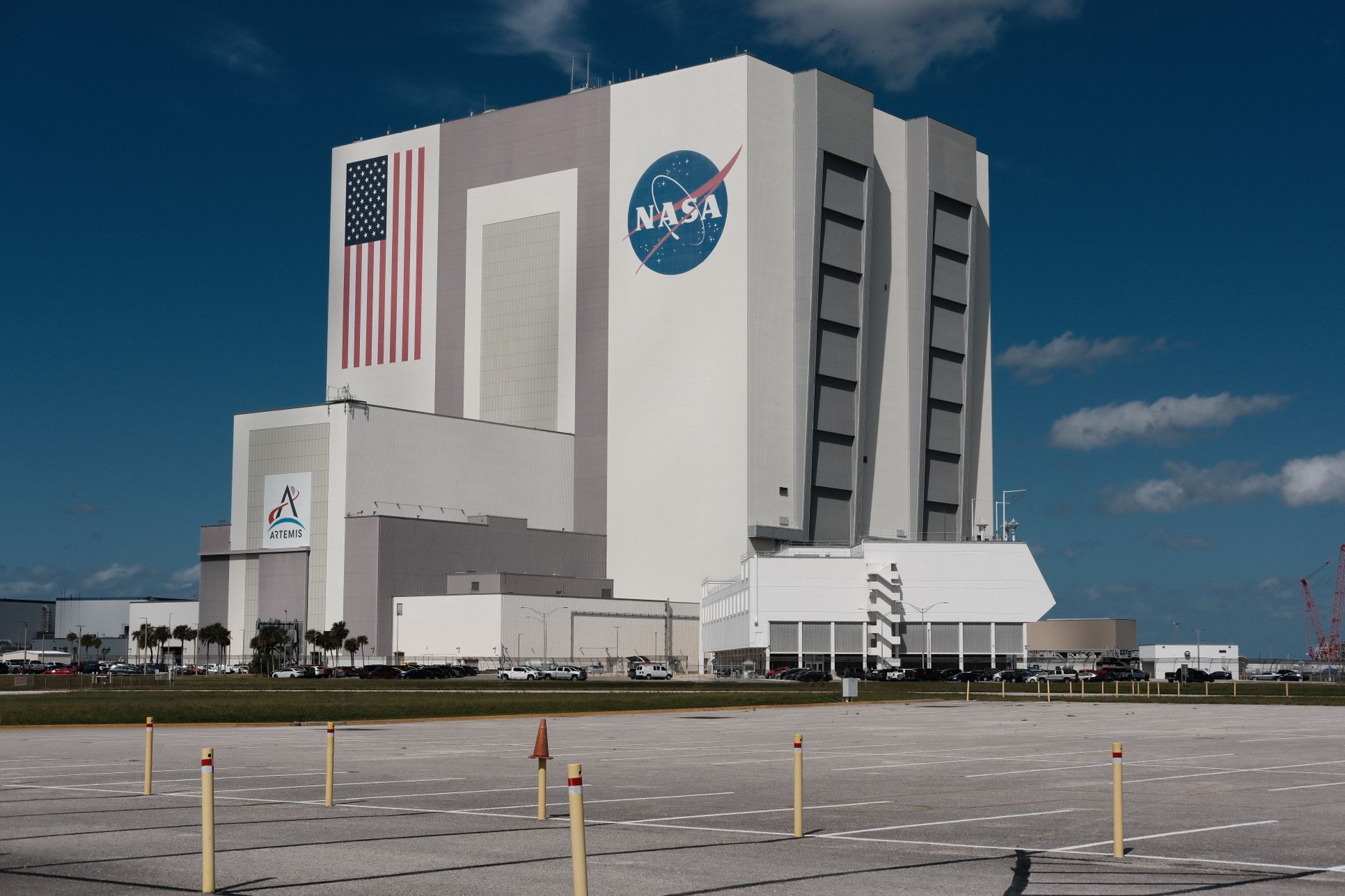
NASA’s Roman Space Telescope arrived at Kennedy Space Center on June 21, 2026.
It travelled to Florida aboard NASA’s Pegasus barge to the launch complex turn basin.
An official NASA update set the launch date for August 30, 2026.
The telescope will launch aboard a SpaceX Falcon Heavy rocket this summer.
As Space.com reported, the mission is a major astronomy milestone.
What the Roman Telescope Will Do
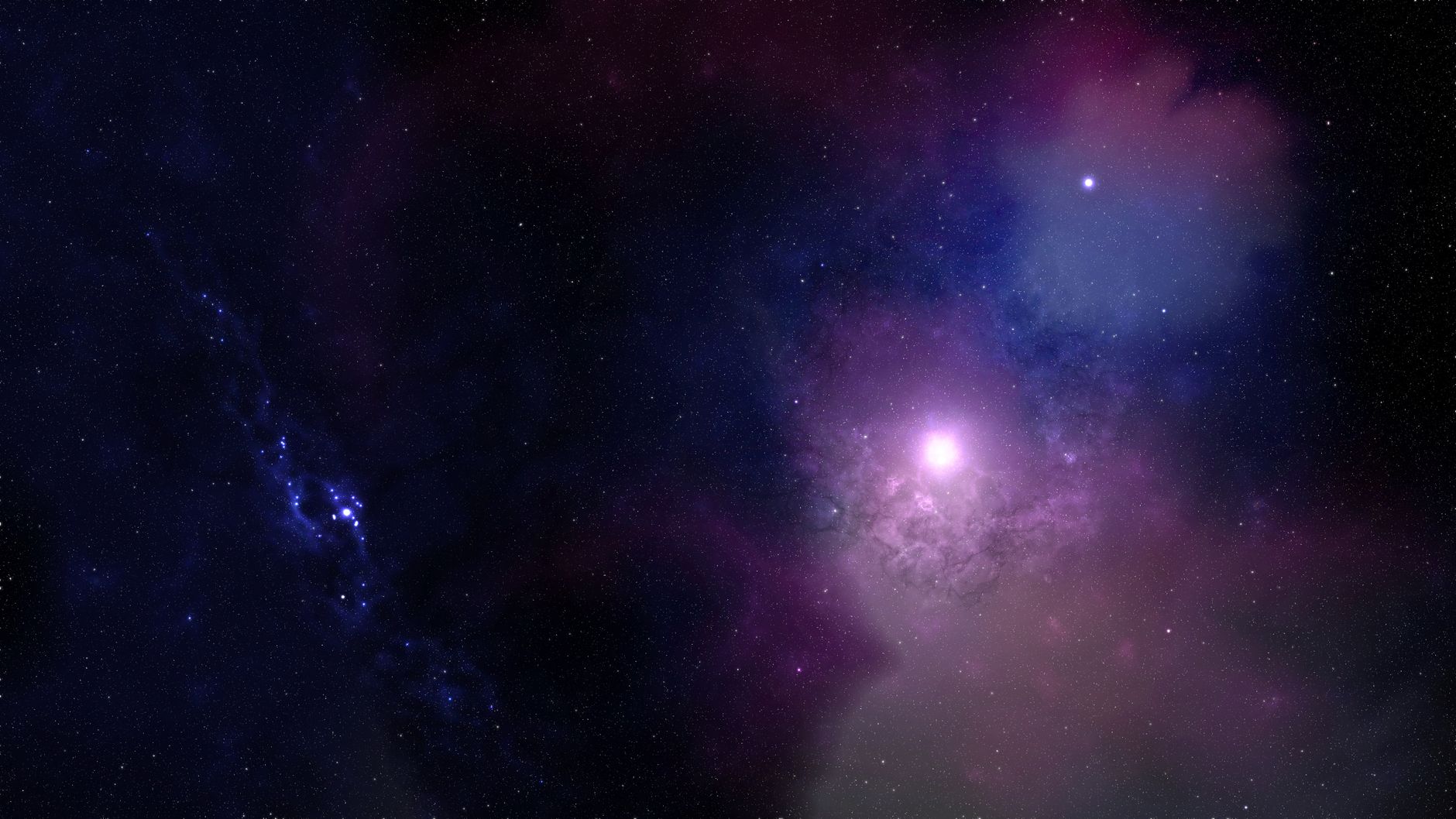
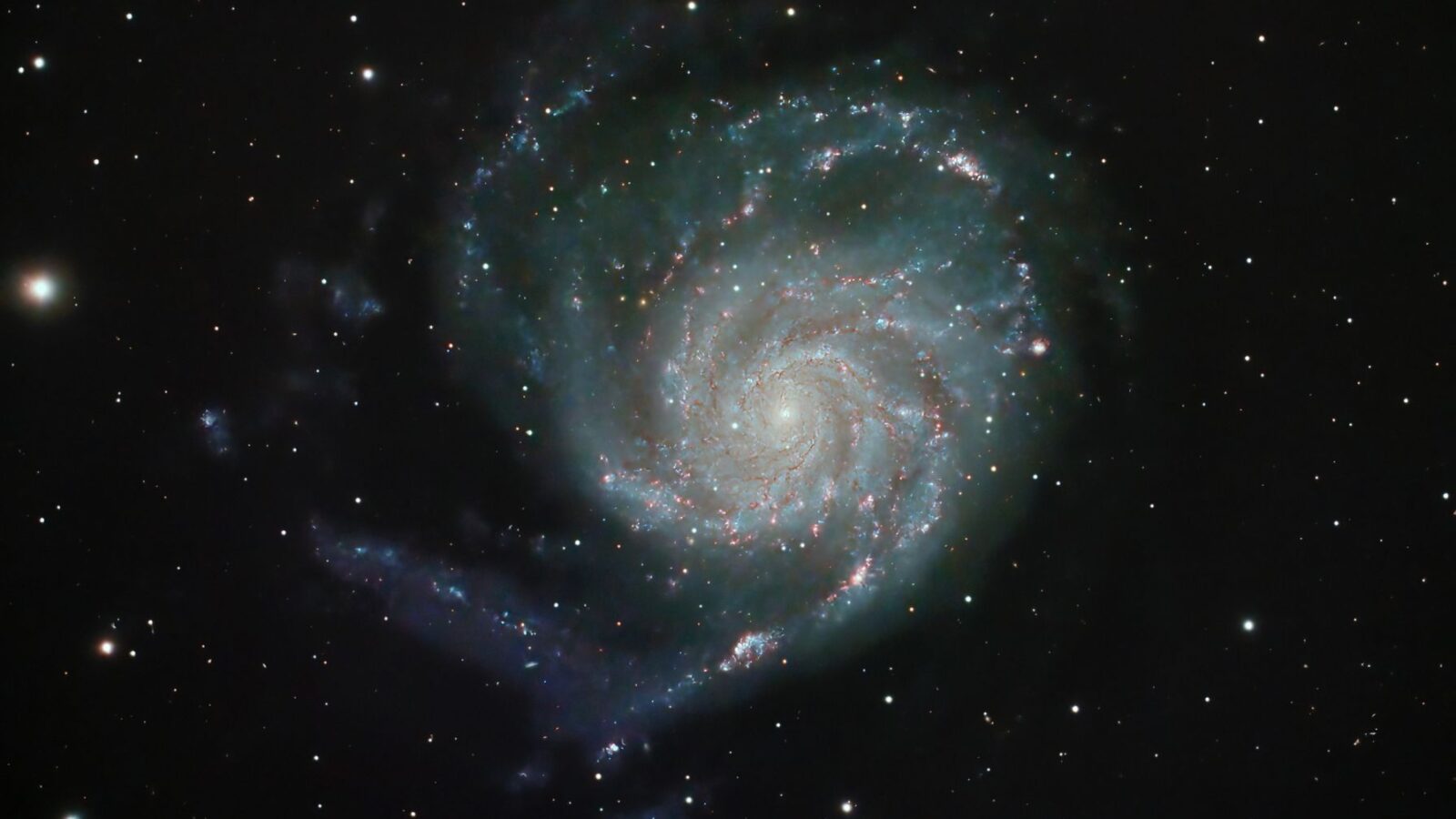
The Nancy Grace Roman Space Telescope is designed to survey huge swaths of the sky.
It will help scientists study dark energy, exoplanets, and the structure of the universe.
Its wide field of view complements telescopes like Hubble and James Webb.
Researchers hope it will answer deep questions about how the cosmos evolved.
Boosting the Swift Observatory
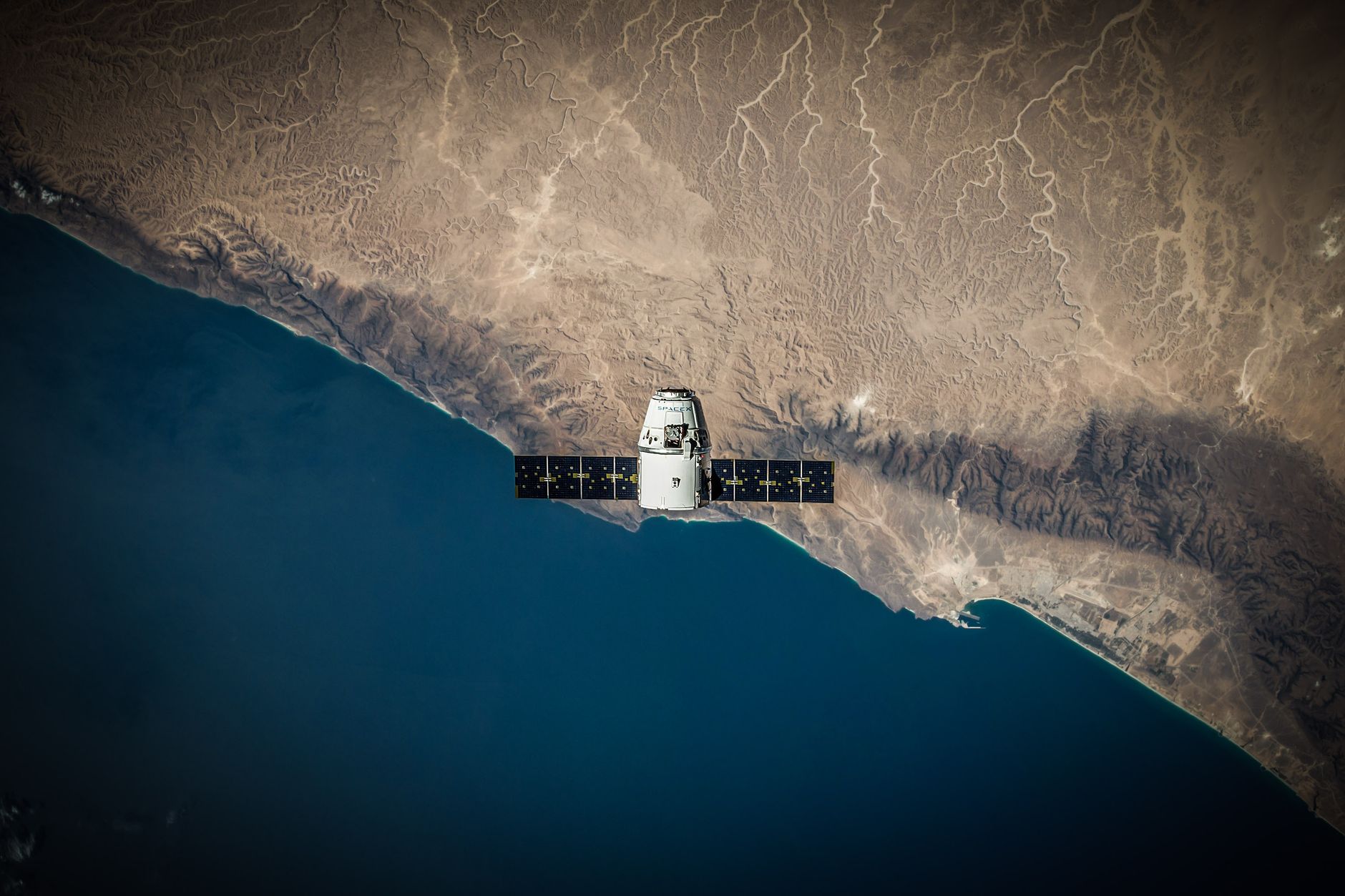
NASA also worked to boost the orbit of its Neil Gehrels Swift Observatory in June.
A Katalyst robotic spacecraft launched on a Northrop Grumman Pegasus XL rocket.
The mission aimed to raise Swift to a higher, more stable orbit.
Such servicing missions can extend the working life of valuable observatories.
Artemis 3 Crew and ISS Work
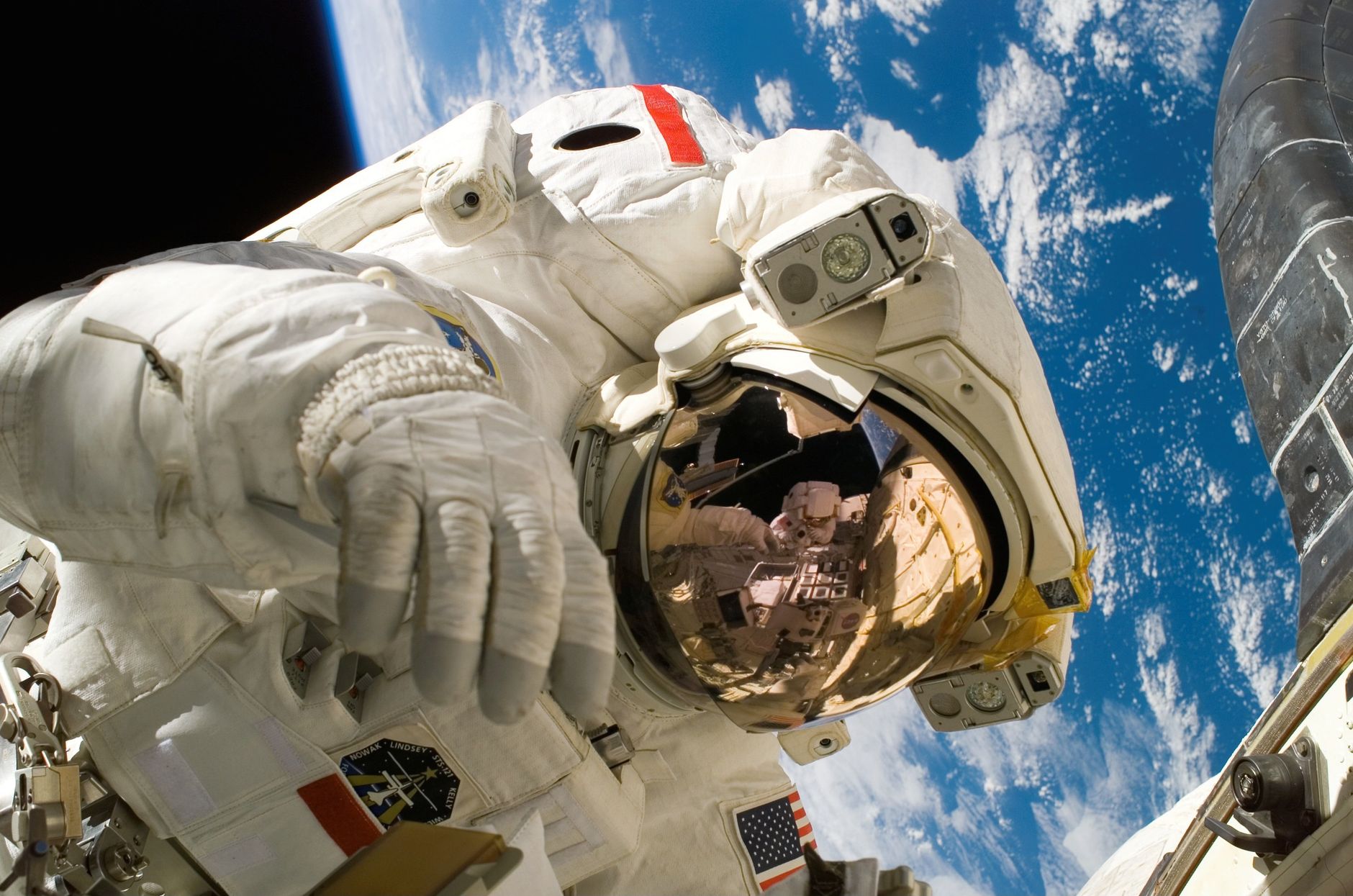
NASA revealed the astronauts selected for next year’s Artemis 3 mission.
Artemis 3 will test rendezvous and docking procedures in low-Earth orbit.
It will work with moon landers being built by SpaceX and Blue Origin.
NASA astronauts also performed a spacewalk to service the Canadarm2 robotic arm.
For more on private spaceflight, see our technology coverage.
As NASA announced, June was packed with major mission milestones.
The Roman telescope is named after a pioneering NASA astronomer.
Dark energy remains one of the biggest mysteries in modern physics.
The mission has been years in development and testing.
Falcon Heavy is one of the most powerful rockets in service.
Servicing missions like Swift’s are becoming more common in orbit.
Artemis aims to return humans to the Moon later this decade.
The selected Artemis 3 crew will train extensively before their flight.
Spacewalks remain essential for maintaining the aging space station.
NASA continues to partner with private companies on major missions.
The telescope’s wide view will map the sky faster than predecessors.
Scientists worldwide are eager for the data Roman will collect.
The summer launch window is a key target for the mission team.
NASA framed the milestones as proof of strong momentum in exploration.
NASA called the milestones proof of strong momentum in exploration.
The summer launch window remains a key target for the team.
Scientists worldwide await the data Roman will gather.
The mission caps years of careful development and testing.
Related Articles
Apple WWDC 2026: Siri AI and Apple Intelligence Take Center Stage
Google Gemini 2.5 Pro Update Brings Deep Think and New AI Tools
OpenAI and Broadcom Unveil Jalapeno, Their First Custom AI Chip

Trust Post Desk
A journalist and editor at TrustPost.org covering world and national news, technology updates and human-interest stories. They check every fact, interview sources in person or online, and aim to deliver clear, accurate reporting. Their work ranges from breaking news to in-depth features and daily newsletters. Outside the newsroom, they follow emerging trends and engage with readers on social media.