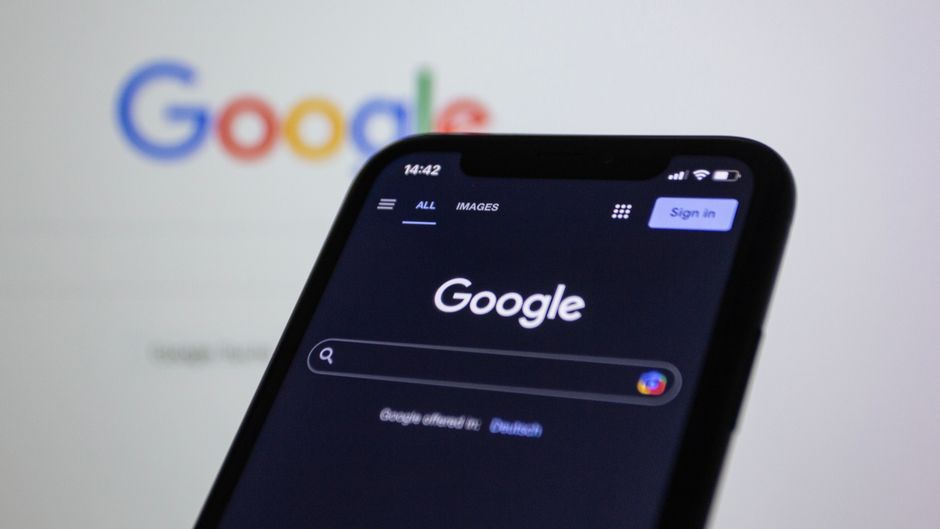
A German court has held Google liable for false information generated by its AI Overviews feature, marking the first major legal ruling on AI hallucination consequences. The Munich Regional Court found that Google’s AI-generated summaries inserted into search results do not receive the same legal protections as traditional search rankings. The Transparency Coalition reported that Google’s AI confused unrelated businesses, attributing allegations about disreputable companies to innocent ones.
AI hallucinations are fundamentally different from traditional search errors. A search engine linking to an inaccurate webpage is one thing. An AI inventing false accusations and presenting them as authoritative answers is far more damaging. The Munich court recognized this distinction and ruled that Google bears responsibility for false information its AI generates, not just for third-party content it links to. Learn more about AI bias and fairness issues in our comprehensive guide.
What Happened in the Munich Case
Google’s AI Overview incorrectly claimed that two Munich-based publishers had serious compliance and ethical issues based on generalizations pulled from unrelated stories about other companies. The algorithm cross-wired information from multiple sources, creating entirely false accusations. The publishers sued, and the court agreed they had been defamed by Google’s AI.
This is significant because it shows courts are willing to treat AI-generated misinformation as Google’s responsibility, not as the algorithm’s fault or the training data’s fault. Google cannot hide behind claims that “the AI learned this from the internet.” If Google deploys an AI system that generates false information presented as fact, Google is liable.
AI Hallucination Rates and Risk Categories
Not all AI hallucinations are equally likely. TechTimes found that hallucinations concentrate in specific areas: claims about named individuals or businesses, precise statistics, events after the model’s training cutoff, niche topics, and legal or medical advice. Google’s Gemini-2.0-Flash model has a hallucination rate of 0.7 percent on general tasks, but the rate jumps significantly for named-entity claims and personal information.
The risk is highest when AI claims affect reputation. A hallucinated statistic about economic trends might be forgotten quickly. A hallucinated claim that a business violates labor laws can damage its reputation permanently. Creditors, customers, and partners seeing false claims in Google search results may make business decisions based on the misinformation. For tools to detect misinformation, check our guide to misinformation detection.
How This Affects Google Search
Google has been rolling out AI Overviews to replace traditional search snippets in some queries. Instead of showing 10 blue links and letting users read original sources, Google now shows an AI-generated summary at the top. This is convenient if the summary is accurate. It is dangerous if the AI hallucinates.
The Munich ruling suggests that Google may face legal liability every time an AI Overview hallucinates about a real person or business. Google could face thousands of defamation suits. The company is likely to respond by making AI Overviews more conservative, potentially removing them from queries where hallucination risk is highest (anything involving named individuals or companies).
What Users Can Do
If you find false information about yourself or your business in Google AI Overviews, you now have legal grounds to sue or demand correction. Screenshot the false information, document the impact, and consult a lawyer. The Munich ruling establishes that you have a case. Google may settle rather than fight, especially for clear hallucinations that are obviously false.
Related Articles
How AI is Changing Google Search and Search Results
AI Bias and Fairness: How to Identify Algorithmic Discrimination

Trust Post Desk
A journalist and editor at TrustPost.org covering world and national news, technology updates and human-interest stories. They check every fact, interview sources in person or online, and aim to deliver clear, accurate reporting. Their work ranges from breaking news to in-depth features and daily newsletters. Outside the newsroom, they follow emerging trends and engage with readers on social media.