Microsoft announced yesterday, Monday, July 6, 2026, that it has cut approximately 4,800 jobs, representing about 2.1% of its global workforce. These sweeping layoffs primarily impact the company’s sales division and its Xbox gaming business, signaling a significant restructuring effort.
The tech giant’s executive vice president, Amy Coleman, communicated to employees that the adjustments are necessary to focus on areas that can deliver for customers within a rapidly evolving industry. This move comes as Microsoft continues to heavily invest in artificial intelligence infrastructure while navigating broader market challenges.
The changes are designed to realign resources and adapt to shifting technological landscapes and customer demands. Coleman also warned that more changes are anticipated across other parts of the business as this journey of transformation continues.
Xbox Undergoes Historic Restructuring
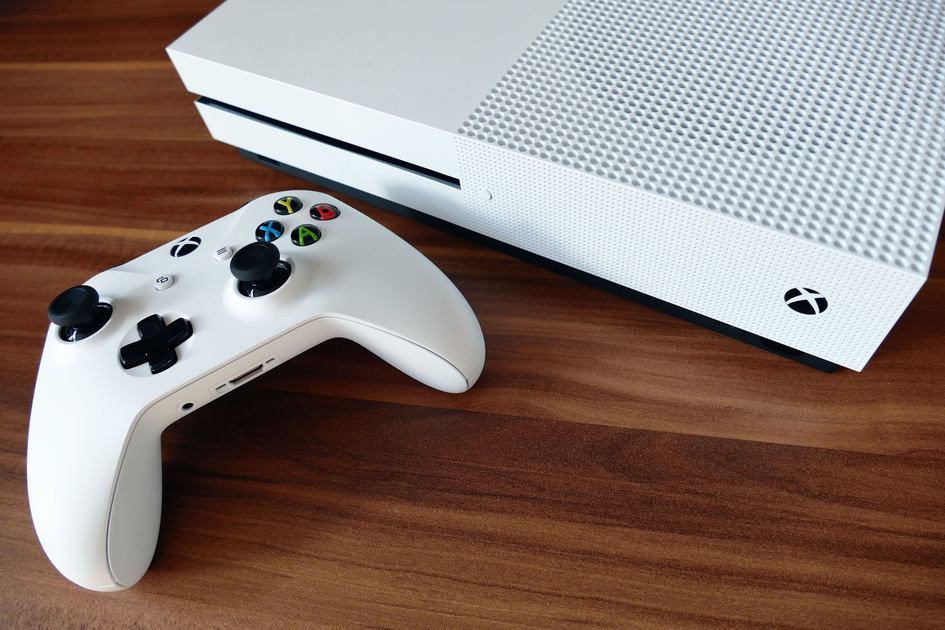
The Xbox division is facing its most significant restructure in history, according to a note from Xbox chief executive Asha Sharma to staff. This overhaul includes the immediate axing of more than 1,600 roles, with another 1,600 jobs slated for elimination in the coming year.
Sharma emphasized that these changes are aimed at securing a bigger future for Xbox, not a smaller one. The company seeks to avoid the fate of those who mistake longevity for inevitability, striving for a necessary reset across its entire content portfolio, platform, and operations.
Four Studios Gain Independence, Mojang and King Realigned
As part of Xbox’s strategic shift, four game development studios – Compulsion Games, Double Fine Productions, Ninja Theory, and Undead Lab – will be spun off. These studios will transition to independent management, with the goal of preserving their intellectual property and ongoing projects.
Double Fine Productions, acquired by Microsoft in 2019, expressed gratitude for seven years with Xbox, noting the outcome preserves their history and culture while returning ownership of their games. Compulsion Games, developer of South of Midnight, also confirmed its departure with its intellectual property, expressing confidence in its future.
This restructuring also means that Minecraft developer Mojang and Candy Crush developer King will now report directly to Asha Sharma. This realignment underscores Xbox’s vision for its studios and content, focusing more heavily on major intellectual properties and broader audiences, rather than solely boosting offerings for its Game Pass subscription service.
AI Investment and Evolving Customer Needs Drive Workforce Adjustments
Microsoft’s Chief People Officer, Amy Coleman, clarified that the recent layoffs are not a direct result of AI replacing employees. However, she acknowledged that AI is fundamentally changing how work gets done, automating some everyday tasks and requiring employees to adapt and build new skills.
The company has been making substantial investments in artificial intelligence infrastructure, with projected AI-related spending expected to reach approximately 190 billion USD in 2026. This massive expenditure, coupled with concerns from investors about AI’s impact on the software industry, has influenced Microsoft’s financial strategies.
Earlier this year, Microsoft also implemented a voluntary retirement program for eligible US employees, which saw about one-third of nearly 9,000 qualified individuals accept buyout offers. This initiative helped reduce the percentage of mandatory layoffs compared to previous years, demonstrating Microsoft’s efforts to manage workforce adjustments thoughtfully.
The company’s Commercial Business is also undergoing changes, with engineering experts being placed closer to customers to accelerate technology deployment. This strategic move aims to better serve customer needs and drive future innovation in a rapidly evolving tech landscape, where AI features are becoming increasingly integrated into core products.
Microsoft’s Broader Strategic Realignment
These layoffs and restructurings are part of a broader effort by Microsoft to control costs and strategically reallocate resources, particularly towards its burgeoning AI initiatives. The tech industry as a whole has seen similar trends, with companies like Amazon and Meta also implementing job cuts while simultaneously increasing AI investments.
The gaming industry, in particular, has faced a difficult period marked by numerous layoffs across studios in recent years. Xbox itself culled over 2,000 staff in 2024 and shuttered four studios prior to its acquisition of Activision Blizzard. This latest move signals a continued shift in Xbox’s strategy, moving away from relying on console-exclusive titles to boost hardware sales and instead focusing on making its games available across multiple platforms.
Rising hardware costs, partly attributed to the surging demand from AI data centers, have also pressured firms like Microsoft to increase prices for consoles and other consumer gadgets. This economic pressure further necessitates a lean operational structure and a clear focus on high-return investments, such as those in AI. The company’s recent unveiling of Microsoft Frontier Company, a new 2.5 billion USD business unit dedicated to deploying customized AI solutions for enterprises, further underscores this strategic pivot.
The ongoing adjustments reflect Microsoft’s commitment to adapting to market conditions and technological advancements. While the immediate impact on employees is significant, the company aims to position itself for long-term growth and competitiveness in an industry increasingly shaped by AI and evolving consumer preferences. This proactive approach ensures that Microsoft remains agile, even as workers are spending more time managing AI rather than being helped by it.
Frequently Asked Questions
Why did Microsoft lay off 4,800 employees?
Microsoft laid off 4,800 employees as part of a broader restructuring to adapt to a fast-changing industry and evolving customer needs. The company is heavily investing in artificial intelligence and aims to reallocate resources to strategic priorities, particularly in its sales and Xbox divisions.
Which divisions were most affected by the layoffs?
The majority of the job cuts impacted Microsoft’s sales division and its Xbox gaming business. The Xbox division alone saw 1,600 immediate layoffs, with another 1,600 expected in the coming year, as it undergoes its most significant restructuring to date.
What is the future strategy for Xbox after this restructuring?
Xbox’s future strategy involves a significant reset across its content portfolio, platform, and operations. This includes spinning off four game development studios to independent management and having Mojang and King report directly to Xbox CEO Asha Sharma, focusing on major intellectual properties and a multi-platform approach rather than solely console-exclusive titles.
Navigating a Future Defined by AI and Agility
Microsoft’s latest round of layoffs and extensive restructuring underscores a critical truth in the technology sector: continuous adaptation is not optional. The company is actively reshaping its workforce and operational focus to align with its massive investments in artificial intelligence and to meet rapidly changing customer demands. This strategic pivot, particularly within the Xbox division, signals a clear intent to prioritize efficiency and high-impact projects.
The warning of more changes ahead from Chief People Officer Amy Coleman indicates that this is an ongoing process, not a one-time event. Microsoft is positioning itself to thrive in a future where AI will redefine how work is done and how products are delivered. While painful for those affected, these decisions reflect a calculated effort to maintain leadership in a fiercely competitive and technologically dynamic landscape.

Trust Post Desk
A journalist and editor at TrustPost.org covering world and national news, technology updates and human-interest stories. They check every fact, interview sources in person or online, and aim to deliver clear, accurate reporting. Their work ranges from breaking news to in-depth features and daily newsletters. Outside the newsroom, they follow emerging trends and engage with readers on social media.