
People often think YouTube pays one fixed amount for every view. That sounds simple, but the real system works in a different way. Every view has different value based on the topic of the video, the country of the viewer, the type of ad, and many other small details. Let’s break this down in a way that feels easy and natural.
What People Really Mean By “Per View”
When someone asks how much money a YouTuber earns for each view, they are usually asking how much YouTube pays for showing ads. YouTube does not pay a flat rate. It uses two main numbers.
CPM means how much advertisers pay for one thousand ad views.
RPM means how much the creator actually keeps after YouTube’s cut.
RPM is the real number creators look at because it shows the money they earn for every thousand views.
If a video has two dollars RPM, it means the creator earns two dollars for every thousand views. That turns into a tiny amount for each single view.
How Earnings Per View Are Calculated
To understand earnings per view, you take the RPM and divide it by one thousand.
Example.
RPM is two dollars.
Two dollars divided by one thousand equals $0.002 per view.
This is a small number, but it adds up when a video gets many views.
Earnings per view change based on ads shown, the number of monetized views, and the price advertisers pay at that moment.
Realistic Earnings Per View
Here is how most creators earn on average.
Low range. Around $0.0005 to $0.002 per view.
Mid range. Around $0.002 to $0.01 per view.
High range. More than $0.01 per view in strong topics like finance or business.
The country of the viewer also matters. Views from countries like the United States, Canada, and Australia usually pay more. Views from countries where advertisers spend less may pay less.
Why Some YouTubers Earn More Per View
The topic of the channel matters. Videos about money, tech, and business attract higher paying ads because those viewers often buy higher priced products. Advertisers like that.
The location of the viewer matters because advertisers set different budgets for different countries.
The length of the video matters. Longer videos can show more ads. This increases earnings.
Seasonal timing matters too. Advertisers spend more money during holiday months. This raises earnings during that period.
Viewer behavior matters as well. If people watch for longer time, YouTube shows more ads and pays more.
Views That Do Not Earn Money
Not every view shows an ad. That means the creator earns nothing from that view.
Here are examples.
- A person skips the video before the ad appears.
- A person watches from a country with very low ad demand.
- The viewer uses an ad blocker.
- The channel is new and not part of the YouTube Partner Program.
- The video has copyright claims or limited ads.
These views still count as views, but they do not bring money.
How Different Video Formats Affect Earnings
Long videos with mid-roll ads tend to earn more because they allow multiple ads in one watch session.
Short videos earn less. Shorts use a different payment system. Money comes from a shared pool, so the pay per view is smaller. Shorts can help growth, but they do not bring the same income as long videos.
Live streams can earn through ads, but many creators earn more from Super Chats and channel donations during live sessions.
The type of ad also matters. Non-skippable ads usually pay more. Skippable ads pay less but are more common.
Simple Case Studies
Case 1. Lifestyle Creator
A lifestyle channel gets one million views in a month with two dollars RPM.
One million views divided by a thousand equals one thousand units.
One thousand units times two dollars equals two thousand dollars for that month.
Case 2. Finance Creator
A finance channel gets three hundred thousand views with ten dollars RPM.
Three hundred thousand divided by a thousand equals three hundred units.
Three hundred units times ten dollars equals three thousand dollars.
This creator earns more with fewer views because the topic attracts higher paying ads.
Case 3. India vs USA
A creator with views mostly from India might earn lower RPM.
A creator with the same number of views mostly from the USA might earn far more.
This shows how viewer location can change income even with the same view count.
Other Income Streams That Pay Even More
A lot of YouTubers earn more money outside ads.
- Brand deals. Companies pay creators to talk about products.
- Affiliate links. Creators earn a small cut when viewers buy something through their link.
- Merch. Shirts, caps, and other items.
- Courses or digital products.
- Paid memberships on YouTube.
Ads are only one part of the full income picture.
Common Myths About YouTube Earnings
Many people think one million views always equals one thousand dollars. This is not true. It depends on the RPM.
Some think every view pays money. That is not true. Only monetized views count.
Some think Shorts give the same pay as long videos. Shorts earn far less.
Some think more subscribers means more money. Subscribers help with growth, but the pay still depends on views and ads, not the subscriber count.
How New Creators Can Increase Earnings Per View
- Pick a topic that attracts strong advertisers.
- Create longer videos with natural pacing so mid-roll ads fit well.
- Make content that keeps viewers watching for longer time.
- Upload often so your channel stays active.
- Make content that attracts viewers from countries with higher ad spending.
- Small changes in content strategy can increase RPM over time.
Easy Youtube Income Formula
Here is the simple way to calculate YouTube income.
Step 1. Find your RPM.
Step 2. Divide RPM by one thousand to get earnings per view.
Step 3. Multiply that number by your view count.
Example.
RPM is four dollars.
Four divided by one thousand equals $0.004 per view.
If your video gets five hundred thousand views, that becomes two thousand dollars.
Final Summary
There is no single fixed number for earnings per view. The amount changes based on topic, viewer location, video format, and ad demand. Most creators earn between a tiny fraction of a cent to a few cents for each view. With the right topic and steady growth, those small numbers can turn into real income.
FAQs
No. Money comes from monetized views. A view with no ad brings zero income.
No fixed rate. The amount shifts with topic, country, and ad demand.
Youtube Shorts pay less. They use a shared pool system that spreads money across many creators.
Subscribers help with growth, not pay. Ads trigger pay.
Yes. A small channel can earn money once it meets YouTube Partner Program rules.
Long videos can carry more ad spots. This helps with total pay.
Topics like finance and tech attract higher priced ads.
It varies. Some earn 500$. Some earn 10,000$. RPM controls the final number.
- How to Block Someone on TikTok (Step-by-Step Guide)
- 7 TikTok Profile Viewer Tools I Actually Recommend in 2026
- Best Instagram Hashtag Generators in 2026: Free and Paid Tools
- Your Instagram Posts Can Now Rank on Google: How to Take Advantage
- Dopamine Sites: The Viral Trend Where Gen Z Shops Without Buying Anything
- Cloud Storage and File-Sharing Services – Complete In-Depth Guide
- Linktree Alternatives Compared

Get the TrustPost briefing
The stories that matter, in your inbox. No spam, unsubscribe anytime.
Newsletter signup will be available soon.
Related stories
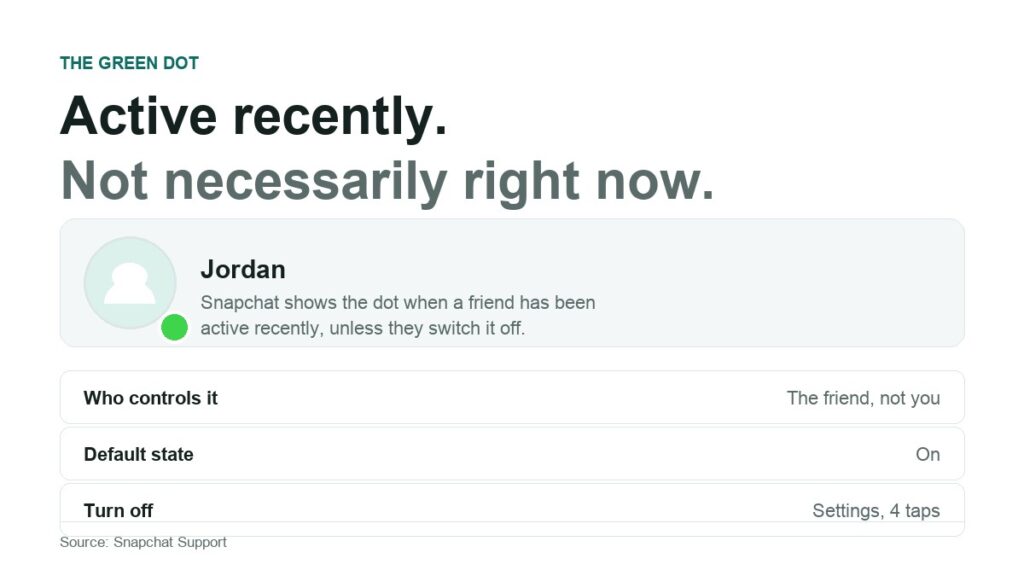
What Does the Green Dot Mean on Snapchat?
Eight common claims about Snapchat’s green dot, each checked against what Snapchat actually documents. What it reports, how to turn it off, and what turning it off does not hide.
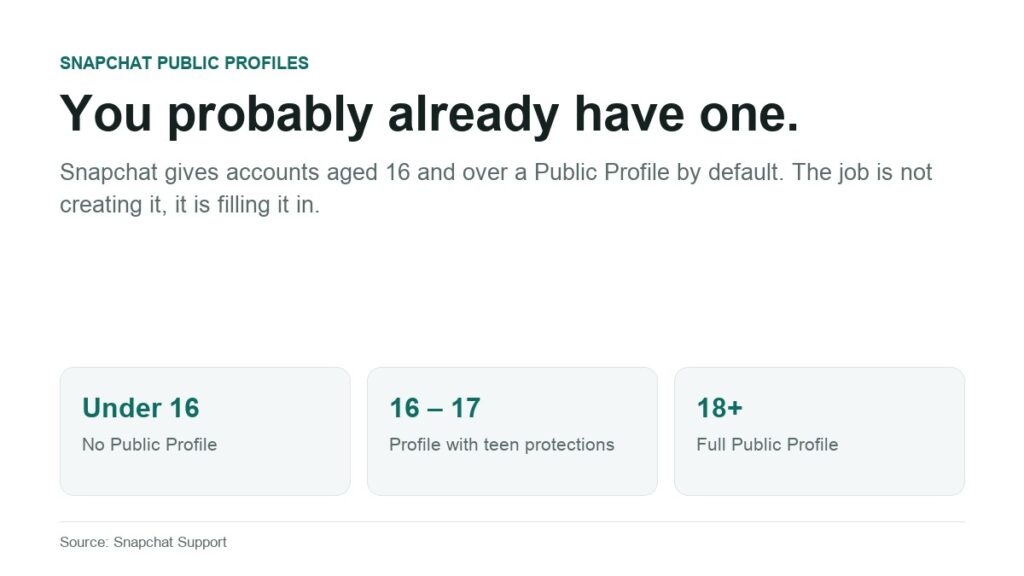
How to Make a Public Profile on Snapchat
Snapchat creates a Public Profile for every account aged 16 and over. A privacy audit of what strangers can see, what you control, and the extra rules for 16 and 17 year olds.

Your Instagram Posts Can Now Rank on Google: Here’s How to Take Advantage
For years, there was a wall between Instagram and the rest of the internet. You could pour hours into a post, and none of it would ever show up when someone searched…