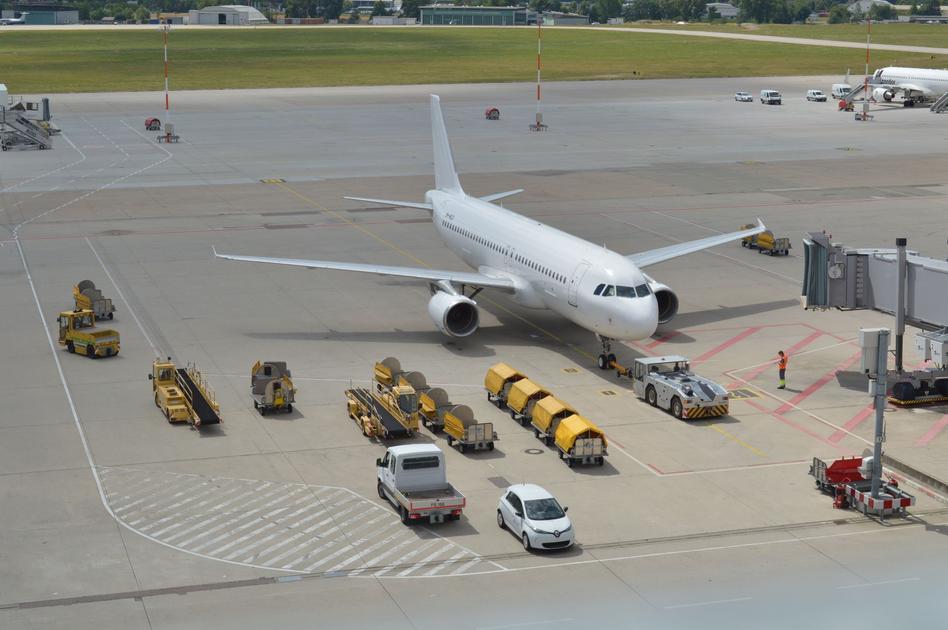
Australian aviation experienced a significant disruption event on June 4, 2026, with the Civil Aviation Safety Authority and the Australian Competition and Consumer Commission both receiving complaints following a day that produced 523 flight delays and 15 cancellations across the Jetstar and QantasLink networks, according to data published by the Bureau of Infrastructure and Transport Research Economics. The scale of the disruption – which affected tens of thousands of passengers on routes across Australia’s major and regional airports – was attributed by the airlines to a combination of adverse weather in the southeastern states, an unplanned maintenance-related grounding of several aircraft, and crew rostering pressures that reduced the buffer capacity needed to absorb disruptions without cascading delays through the network. For passengers caught in the disruption, the experience combined long waits at airports, inadequate information from airline staff about alternative arrangements, and disputes about what compensation and re-booking assistance the airlines were obligated to provide under Australian Consumer Law.
The June 4 disruption added to a pattern of aviation reliability concerns that the Australian Competition and Consumer Commission and consumer advocates have been raising with Qantas Group and Virgin Australia throughout 2025 and 2026. Qantas Group, which operates both the Qantas mainline domestic network and the low-cost Jetstar brand, has been working to restore its operational reliability and customer service reputation following a difficult period in 2022-2023 when post-COVID operational issues combined with regulatory and legal challenges – including the ACCC’s High Court action over the sale of ghost flights that resulted in a $100 million penalty – to damage the airline’s reputation significantly. The airline’s recovery has been substantial but uneven, with mainline Qantas generally recovering to higher reliability standards faster than the budget Jetstar brand, which operates with thinner cost and crew buffers that make it more vulnerable to cascade disruptions. Australian aviation consumers in 2026 are navigating a market with structural constraints: high fuel costs, limited competition on many domestic routes – particularly to regional centers where Qantas regional subsidiary QantasLink operates without meaningful competition – and the ongoing challenges of serving a continent where distances between population centers are extraordinary by global standards. The consumer and regulatory pressure on Australian airlines to improve on-time performance, customer communication during disruptions, and the accessibility and speed of passenger compensation processes reflects a broader expectation in Australian public discourse that essential transport services should meet quality standards that post-pandemic operational recovery has not yet consistently achieved. The bilateral Australia-New Zealand relationship includes trans-Tasman aviation as a key component of connectivity that both governments want to protect against service quality deterioration.

Trust Post Desk
A journalist and editor at TrustPost.org covering world and national news, technology updates and human-interest stories. They check every fact, interview sources in person or online, and aim to deliver clear, accurate reporting. Their work ranges from breaking news to in-depth features and daily newsletters. Outside the newsroom, they follow emerging trends and engage with readers on social media.