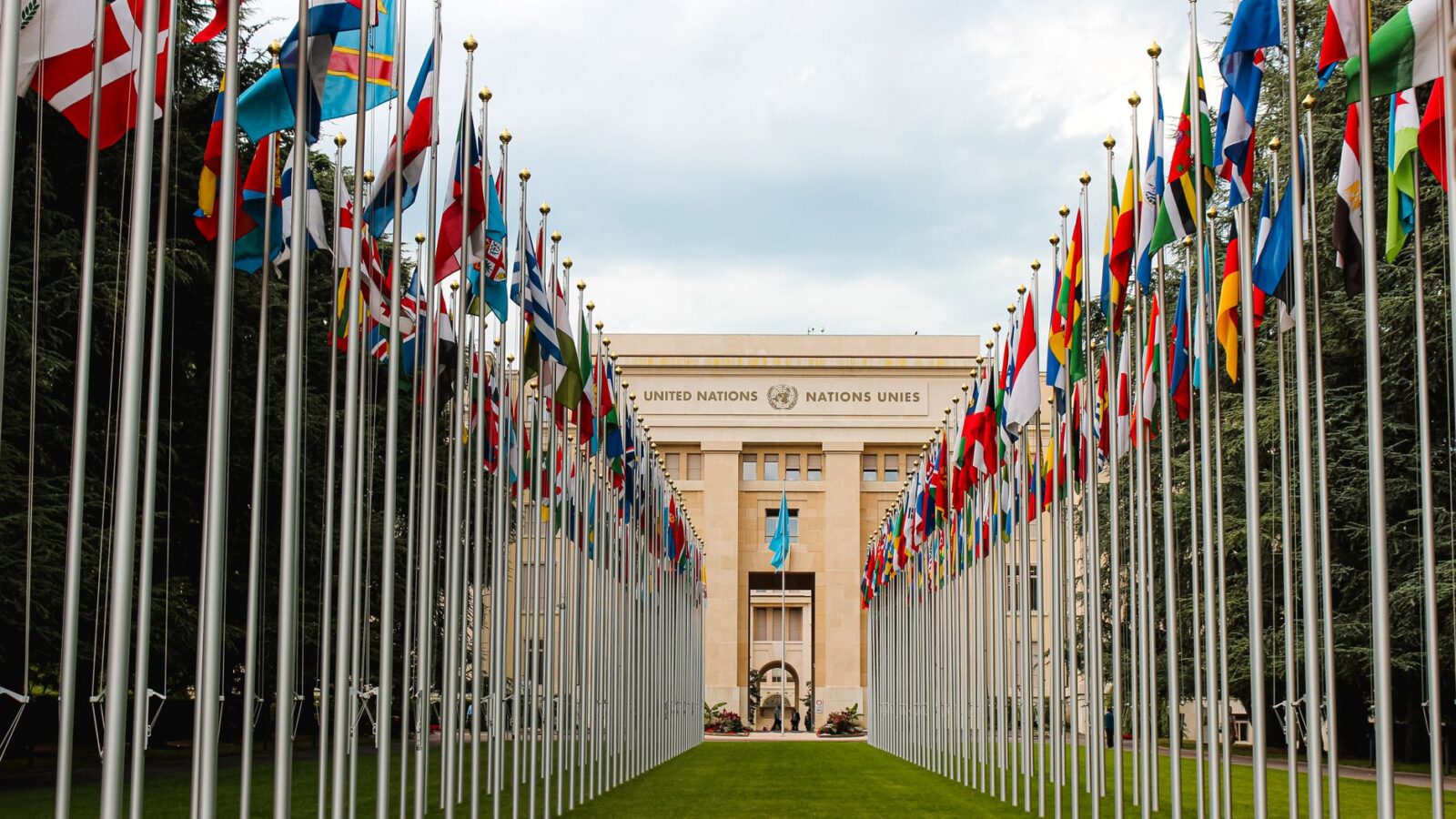
The 52nd G7 summit closed in Evian-les-Bains, France, on June 17, 2026, with joint statements on Ukraine, the Middle East, critical minerals, and global economic imbalances. Observers called it an unexpected success given the tensions among leaders heading in.
The headline outcome was a new Critical Minerals Resilience and Production Alliance, a coordinated effort to reduce the democratic world’s dependence on any single supplier for the rare earths and magnets that underpin modern technology and defence.
The G7 Summit in Evian, France

Held from June 15 to 17, the summit brought together leaders of the world’s seven largest advanced economies at a sensitive moment for global security and trade. As the official summit communique showed, the agenda spanned geopolitics, economics, health, and technology.
France, as host, framed the gathering as a chance to project unity on the issues that matter most, even as differences over tariffs and defence spending simmered beneath the surface.
Critical Minerals Resilience Alliance
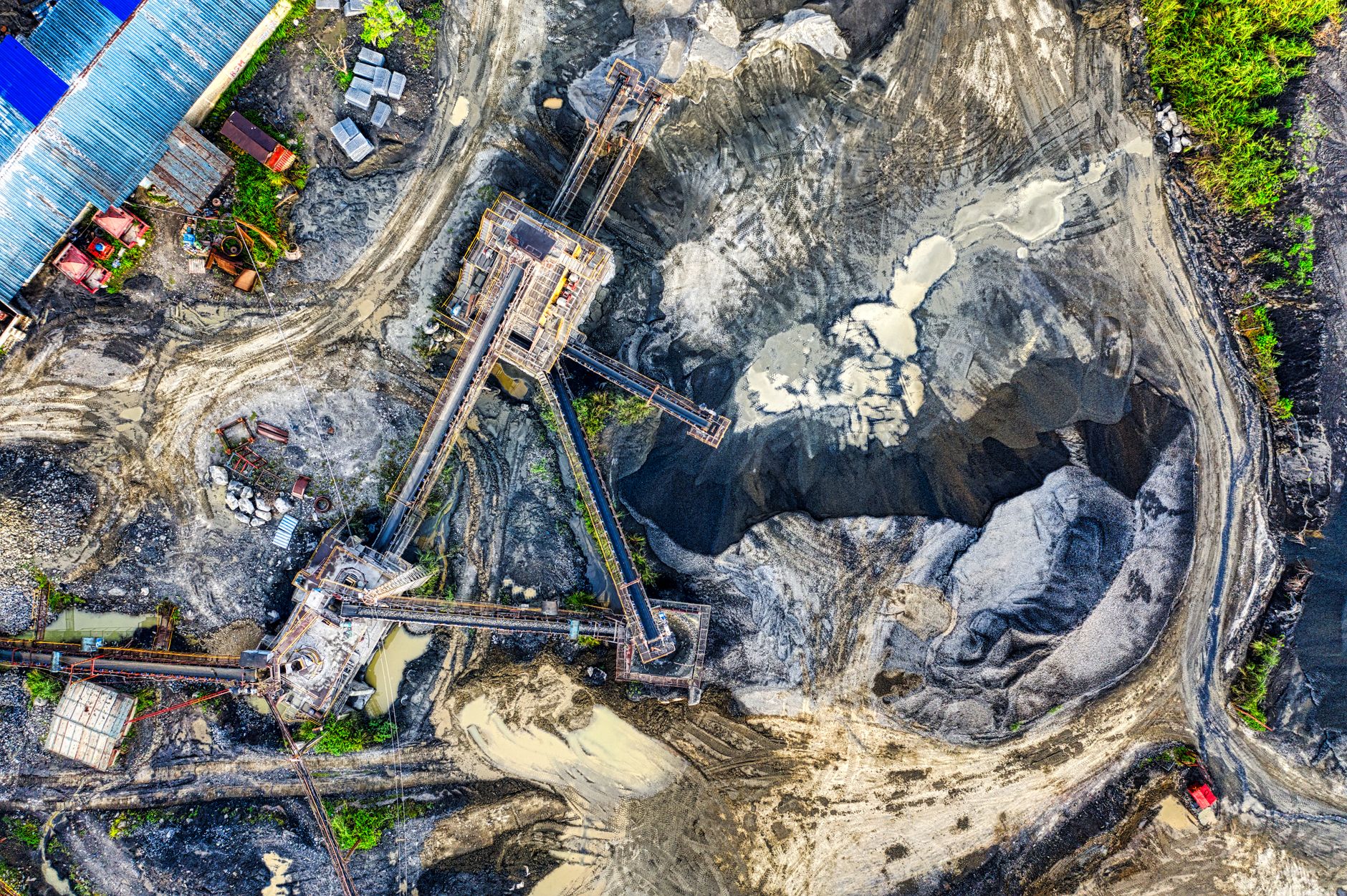
The centrepiece economic outcome was the new minerals alliance, a non-binding but symbolically important agreement to coordinate on financing, traceability, stockpiling, and recycling of critical minerals. Members set a target to reduce reliance on any single outside supplier below 60 percent for rare earths and permanent magnets by 2030.
The push echoed wider concerns about tech supply chains, as explored in our AI industry coverage. With China dominating global rare-earth processing, the alliance represented a clear signal about the G7’s strategic priorities.
Ukraine and the Middle East
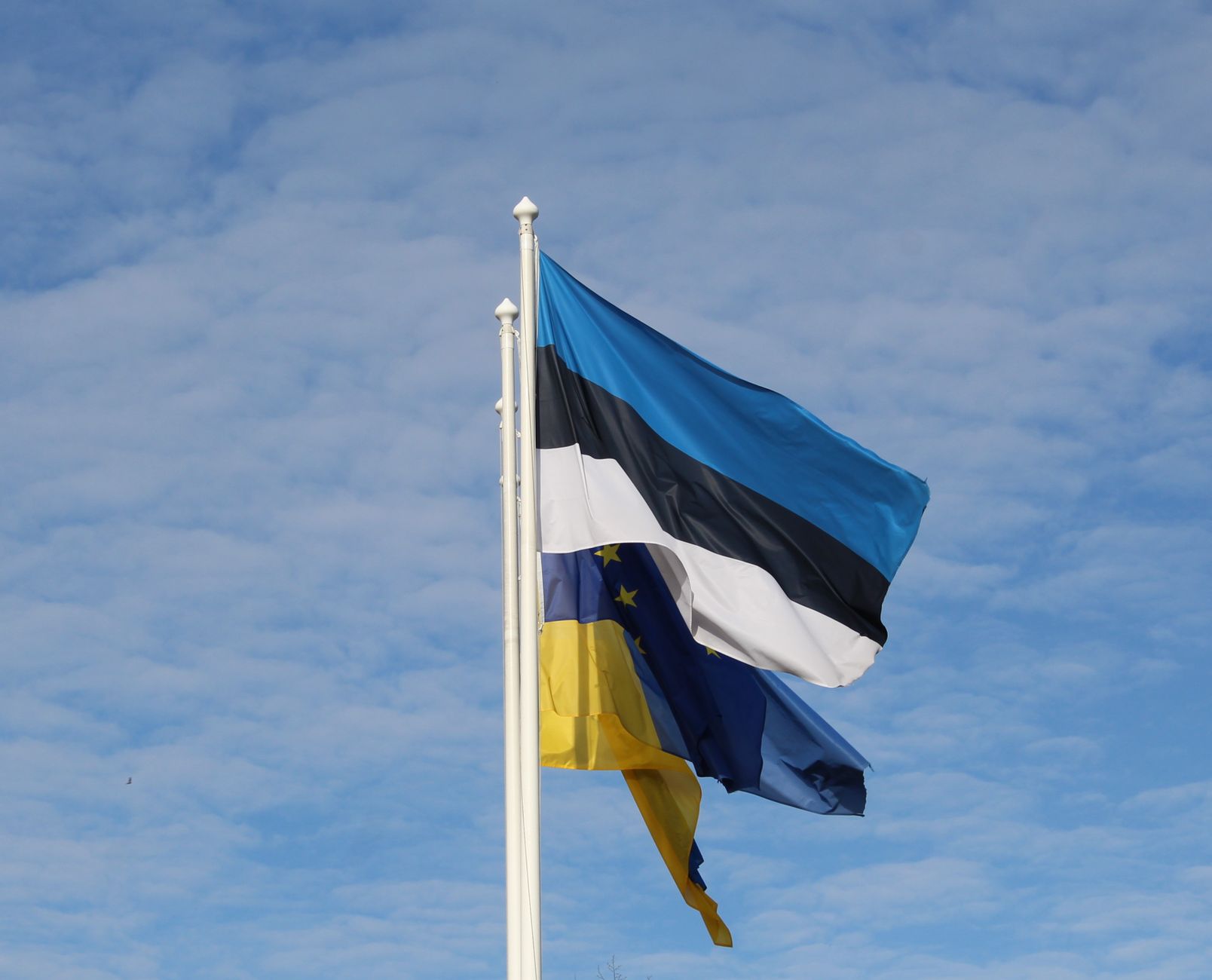
Ukrainian President Volodymyr Zelensky attended the summit, where leaders reaffirmed their commitment to Ukraine’s freedom, sovereignty, and territorial integrity. As the French foreign ministry detailed, the G7 used Zelensky’s presence to demonstrate Western unity on the war.
On the Middle East, leaders welcomed the newly announced deal between the United States and Iran, framing it as a historic opportunity to prevent Iran from acquiring a nuclear weapon. The endorsement added diplomatic weight to a fragile agreement.
Economy and Other Declarations
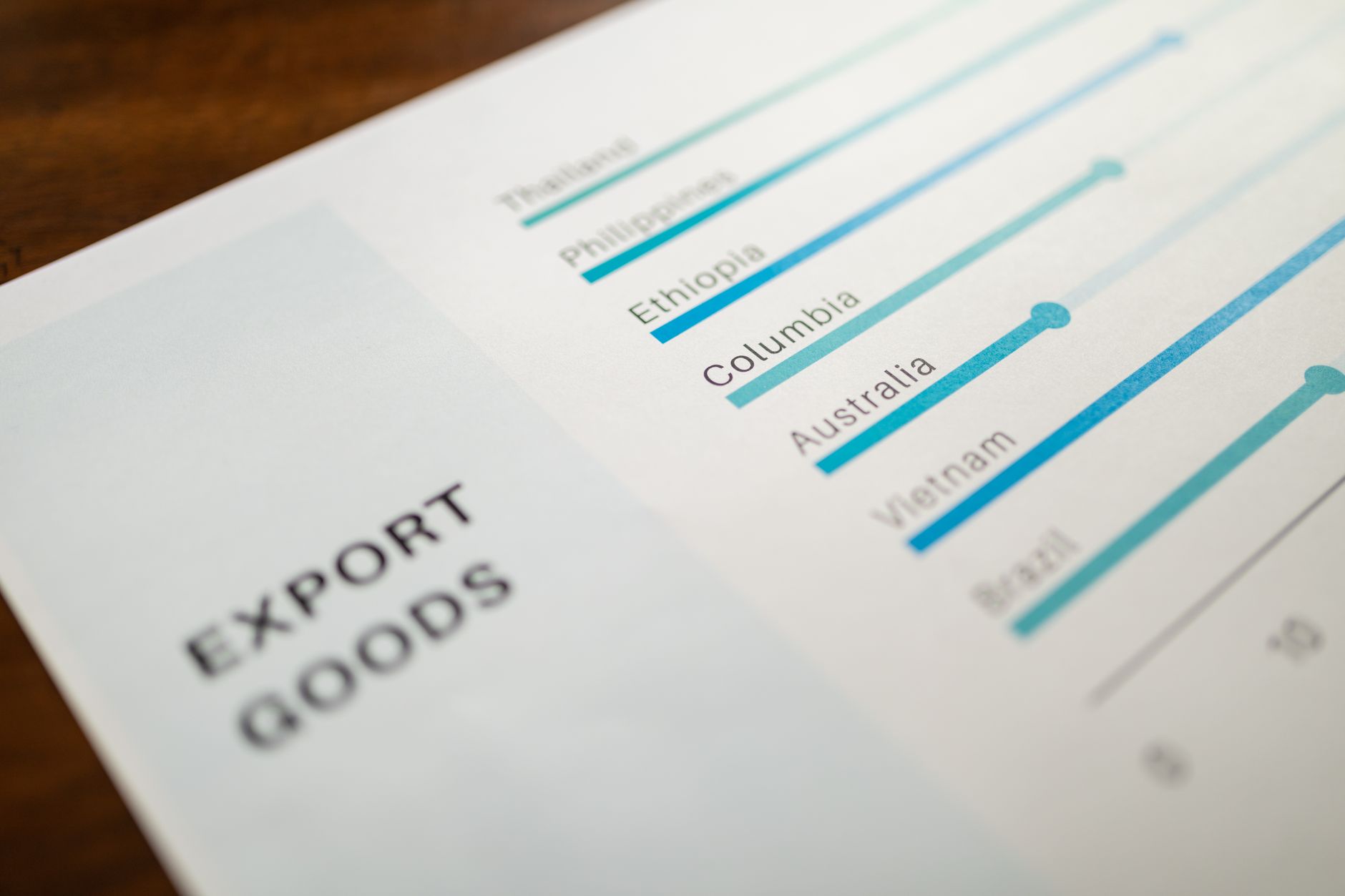
Leaders called for stronger IMF surveillance of external trade imbalances and asked both the IMF and OECD to monitor how domestic policy in major economies contributes to global distortions. The statement was widely read as a veiled reference to concerns about China’s trade practices.
The summit also produced declarations on cancer research, online safety for minors, migrant smuggling, drug trafficking, and the Bundibugyo Ebola outbreak in Africa. Follow-up meetings in the months ahead will turn the joint statements into concrete commitments.
Related Articles
Ukraine Launches TrophyLab to Share Captured Russian Weapons Data

Trust Post Desk
A journalist and editor at TrustPost.org covering world and national news, technology updates and human-interest stories. They check every fact, interview sources in person or online, and aim to deliver clear, accurate reporting. Their work ranges from breaking news to in-depth features and daily newsletters. Outside the newsroom, they follow emerging trends and engage with readers on social media.