UN Secretary-General Antonio Guterres visited Port-au-Prince on June 16, 2026, as gang violence in Haiti reaches record levels.
UN data shows 2,300 people have been killed in Haiti so far this year. Another 100 have been kidnapped.
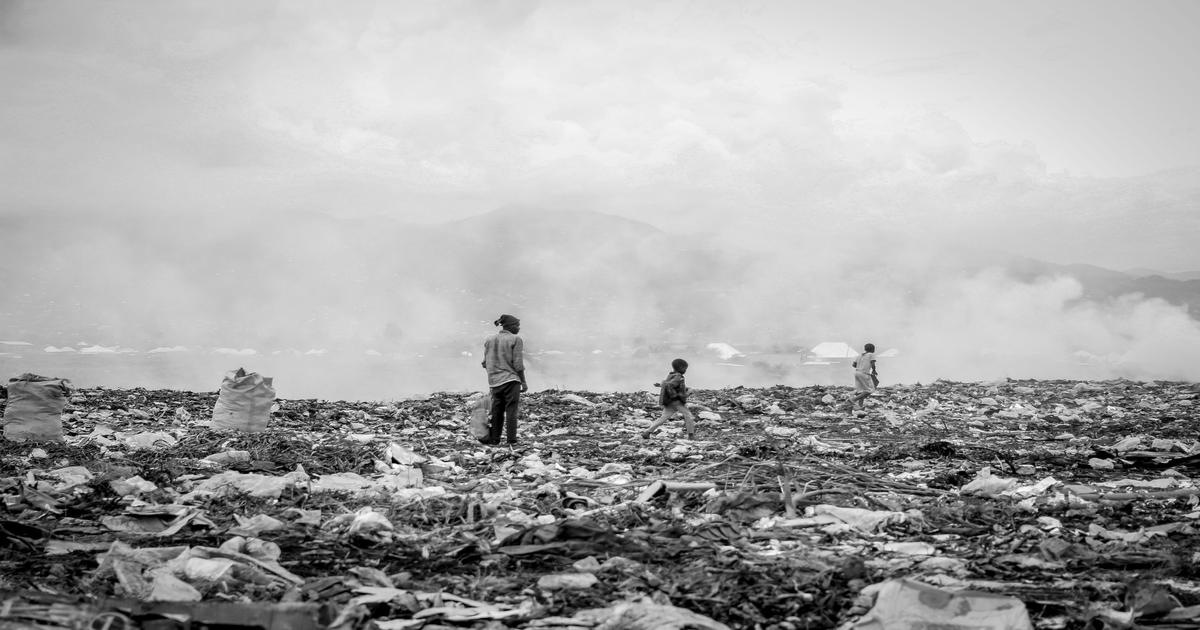
More than 300,000 people have been displaced across Port-au-Prince, a record high.
What Guterres Saw in Haiti
Guterres toured the headquarters of a new UN-backed gang suppression force during his visit.
He also met with families who had been forced to flee their homes due to gang attacks.
“I met families who have lost everything and yet are holding on, together, with a courage and a dignity that command admiration,” Guterres said.
NPR reported that Guterres used the visit to call for stronger international support for Haiti’s security transition.
The Scale of the Gang Crisis
At least 26 gangs, many of them heavily armed, now control up to 90 percent of Port-au-Prince and surrounding areas.
Gang tactics include summary executions, extortion, and mass kidnappings for ransom.
Civilians have no safe passage in large parts of the capital. Basic services including hospitals and schools have been forced to close.
The Hill noted that the humanitarian situation in Haiti has deteriorated more rapidly in 2026 than in any previous year of the crisis.
The New Gang Suppression Force
The UN Security Council approved the new gang suppression force in September 2025.
It replaces the earlier UN-backed Kenyan police mission, which was chronically underfunded and understaffed.
Jamaica, Chad, El Salvador, and Guatemala have contributed troops. The force currently numbers fewer than 1,000 personnel.
That number is widely considered insufficient given the scale of the crisis. International observers have called for a significant expansion.
UN News reported that Guterres pressed member states to increase troop contributions and funding during his Port-au-Prince visit.
Calls for a Broader Approach
Human Rights Watch and other organizations have argued that security alone cannot solve Haiti’s crisis.
They point to the need for economic investment, judicial reform, and political stabilization alongside military suppression of gangs.
Haiti has not had a functioning elected government since the assassination of President Jovenel Moise in 2021.
A transitional council has been in place since 2024, but its authority is limited and widely contested.
Regional and US Involvement
The United States has historically been the largest contributor to international efforts in Haiti.
The current Trump administration has taken a more restrained approach to multilateral interventions.
This matters for Haiti because sustained international engagement has historically been the only thing capable of stabilizing the country’s security environment.
The Jamaica-US migrant transit deal signed this week illustrates how Caribbean instability is increasingly shaping US regional policy.
Haiti’s collapse, if unchecked, could drive significant migration flows that would strain the entire Caribbean region.
What the International Community Must Do
Guterres’s visit was a signal that the UN is not stepping back. But signals alone are not enough.
Haiti needs sustained troop contributions, reliable funding, and a political process that can eventually give the country an elected government.
Without all three, the gang suppression force risks becoming another underpowered mission that fails to change conditions on the ground.
Related Articles

Trust Post Desk
A journalist and editor at TrustPost.org covering world and national news, technology updates and human-interest stories. They check every fact, interview sources in person or online, and aim to deliver clear, accurate reporting. Their work ranges from breaking news to in-depth features and daily newsletters. Outside the newsroom, they follow emerging trends and engage with readers on social media.