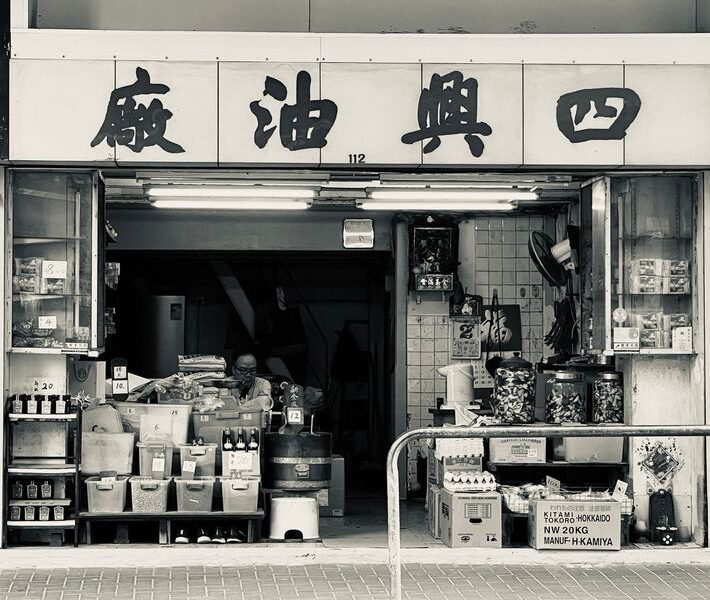
Heritage shopping – buying from traditional markets, independent artisans, and local producers rather than chains and online platforms – has been organized into a formal awareness month in several countries, with local governments, food organizations, and community groups coordinating events, promotions, and campaigns to encourage consumers to reconnect with the trading traditions of their communities. The initiative reflects both nostalgia for a shopping culture that predates big box retail and genuine conviction among practitioners that traditional markets offer economic, social, and experiential benefits that modern retail cannot replicate.
What Heritage Shopping Encompasses
The term covers a range of shopping contexts that have in common their connection to local producers, traditional craftsmanship, and community-embedded commerce. Farmers markets are the most familiar example in North America and Europe – weekly gatherings where agricultural producers sell directly to consumers, eliminating the intermediary layers of the conventional food supply chain. Craft fairs and artisan markets extend the same model to handmade goods: pottery, textiles, jewelry, woodwork, and other products made by individual makers rather than manufacturers.
- Traditional covered markets – permanent market halls in cities ranging from the Grand Bazaar in Istanbul to Borough Market in London to the Ferry Building Marketplace in San Francisco – are experiencing renewed interest as food and travel culture has shifted toward authentic, local, and experiential consumption.
- Heritage shopping has measurable economic benefits for local communities: money spent at locally owned businesses recirculates in the local economy at a higher rate than money spent at chains, supporting additional local jobs and tax revenue.
- The social dimension of traditional markets – the regular interaction with known vendors, the serendipitous conversations with fellow shoppers, the seasonal rhythm of available products – provides a form of community anchoring that online shopping cannot offer.
The Digital Integration Challenge
Heritage shopping advocacy faces the practical challenge that convenience has real value to time-pressed consumers, and traditional markets require presence in a specific place at a specific time that is incompatible with many people’s schedules. The most successful traditional markets have addressed this by adopting digital tools – online pre-ordering for market pickup, social media presence to communicate seasonal availability, and digital payment systems that remove friction for customers who no longer carry cash.
Why It Matters for Food Quality
Beyond the cultural and economic arguments, there is a practical food quality argument for traditional market shopping that resonates with consumers who have become more attentive to food origins. Produce at farmers markets is typically harvested within days or hours of sale, rather than the weeks between farm harvest and supermarket shelf that characterize conventional supply chains. This recency translates directly into better nutritional content, superior flavor, and longer useful life after purchase.
Frequently Asked Questions
How do I find farmers markets and heritage markets in my area?
The USDA maintains a national directory of farmers markets at the link above. Local tourism offices, community Facebook groups, and apps like LocalHarvest can help locate traditional markets and artisan fairs near you.

Trust Post Desk
A journalist and editor at TrustPost.org covering world and national news, technology updates and human-interest stories. They check every fact, interview sources in person or online, and aim to deliver clear, accurate reporting. Their work ranges from breaking news to in-depth features and daily newsletters. Outside the newsroom, they follow emerging trends and engage with readers on social media.