Hong Kong’s food scene is one of the most extraordinary culinary concentrations in the world – a city of 7 million people with thousands of restaurants per square kilometer, running from three-Michelin-star temples of Cantonese cuisine to dim sum houses where the carts have been rolling since before many of the neighboring towers were built. A recent sweep through the city guided by the Gourmet Guide turned up four restaurants and several local gems that represent the range and quality that makes Hong Kong a mandatory destination for serious food travelers.
The Four Restaurants
The first stop on any serious Hong Kong food itinerary should be a classic dim sum house for the full yum cha experience. Dim sum in Hong Kong operates at a level of refinement that even the best practitioners in other cities rarely match – the pleating on the har gow (shrimp dumplings) alone requires years of training to achieve at the level of Hong Kong’s elite teahouses. A dim sum breakfast or lunch at one of the traditional establishments in Sheung Wan or Central, where elderly regulars occupy the same seats they have occupied for decades, is a meal that cannot be replicated anywhere else in the world.
For Cantonese roast meat, the category that Hong Kong has defined globally, several cha siu and siu mei shops in Sham Shui Po and Mong Kok produce roasted pork, duck, and goose of a quality that justifies the specific journey. The glistening lacquered ducks and char siu hanging in the windows are as much a visual emblem of Hong Kong as any architectural landmark.
- Contemporary Cantonese fine dining – restaurants that apply modern technique and presentation to traditional flavor profiles – is experiencing a creative renaissance in Hong Kong, with several younger chefs offering tasting menus that balance innovation with respect for the tradition.
- Typhoon shelter crab, cooked with garlic, chili, and black bean paste and eaten at the restaurants clustered around the city’s waterfront areas, is one of Hong Kong’s most distinctive dishes and one that requires local context to fully appreciate.
Local Gems Beyond the Restaurant Scene
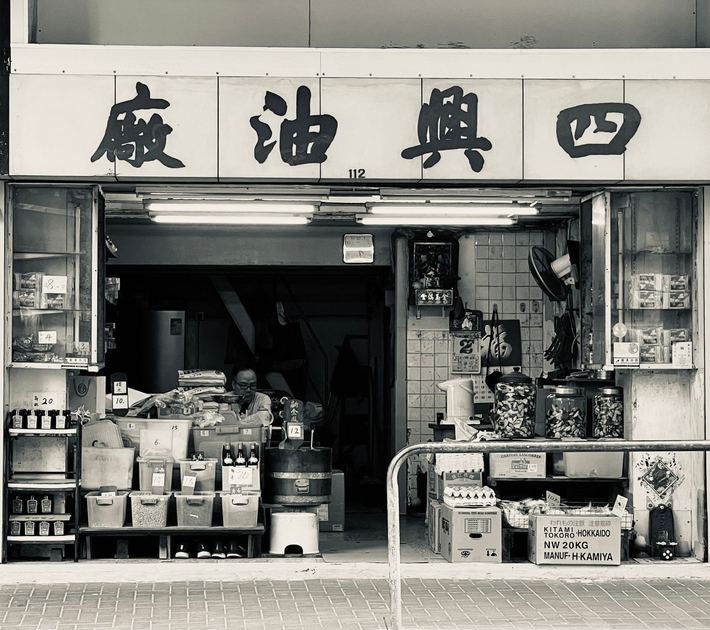
The most memorable eating in Hong Kong often happens outside formal restaurants. Dai pai dong – open-air food stalls that represent a vanishing tradition in increasingly expensive Hong Kong – offer stir-fried dishes, congee, and noodle soups in settings that retain the energy and informality of Hong Kong’s street food culture. The wet markets of Wan Chai and Jordan, where vendors sell live seafood alongside dried goods, herbs, and tofu, are essential for understanding the raw material culture that underlies the refined food on restaurant menus.
Frequently Asked Questions
Is Hong Kong food expensive?
Hong Kong has food at every price point. Street food and local restaurants (cha chaan teng) are extremely affordable. Fine dining can be very expensive. The middle ground of a casual seafood restaurant or a good dim sum house offers exceptional value relative to comparable quality in most Western cities.

Trust Post Desk
A journalist and editor at TrustPost.org covering world and national news, technology updates and human-interest stories. They check every fact, interview sources in person or online, and aim to deliver clear, accurate reporting. Their work ranges from breaking news to in-depth features and daily newsletters. Outside the newsroom, they follow emerging trends and engage with readers on social media.