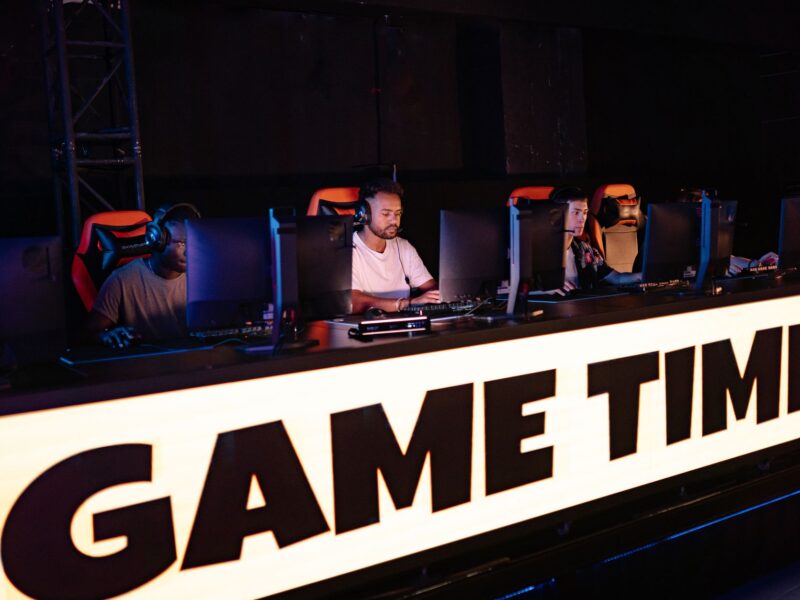
Learning how to get better at video games requires understanding why most players plateau: they repeat the same patterns without deliberate self-analysis.
Repetition builds comfort, not improvement. Playing 1,000 matches the same way reinforces your ceiling rather than pushing it higher.
Why Most Gamers Stop Improving at Video Games
Elite players distinguish between grinding games and deliberate practice. The difference is active reflection on what went wrong and why.
Per WTFast skills guide, the most impactful skill improvement comes from analyzing your replays and identifying the same errors repeating across sessions.
Mastering the Fundamentals First
Every game has transferable fundamentals: map awareness, resource management, positioning, timing, and decision-making under pressure.
New players try to learn advanced techniques before mastering basics. This creates unstable foundations that collapse under competitive pressure.
Spend 70% of practice time on fundamentals. Aim training, crosshair placement, footwork, and cooldown tracking matter more than flashy mechanics.
Per G2A improvement tips, professional esports players revisit fundamentals weekly even at top rank because consistency at the basics separates tiers.
Deliberate Practice: How to Actually Improve
- Review your own gameplay: watch replays focusing on decisions, not outcomes; ask why you lost a fight, not just that you died
- Set session goals: improve one specific mechanic per session rather than playing to win; outcome goals do not build new skills
- Study professionals: watch high-level streamers not for entertainment but to copy their positioning, rotations, and resource decisions
- Play against better opponents: ranked queues where you lose 60% of games means you are playing people who will actively punish your weaknesses
- Take structured breaks: 50-minute sessions with 10-minute breaks improve focus and reduce mental fatigue that leads to poor decision-making
Physical and Mental Habits That Improve Game Performance
Sleep quality directly affects reaction time, pattern recognition, and decision-making. Gaming tired makes improvement impossible and reinforces bad habits.
Hydration matters more than most gamers realize. Even mild dehydration measurably reduces sustained attention and processing speed.
Wrist stretches and hand exercises prevent repetitive strain injury. RSI is the most common reason competitive gamers stop playing at peak performance.
Physical exercise improves cognitive performance in gaming. Studies show 20 minutes of moderate aerobic exercise enhances focus during complex tasks.
Get Better at Video Games Through Hardware Optimization
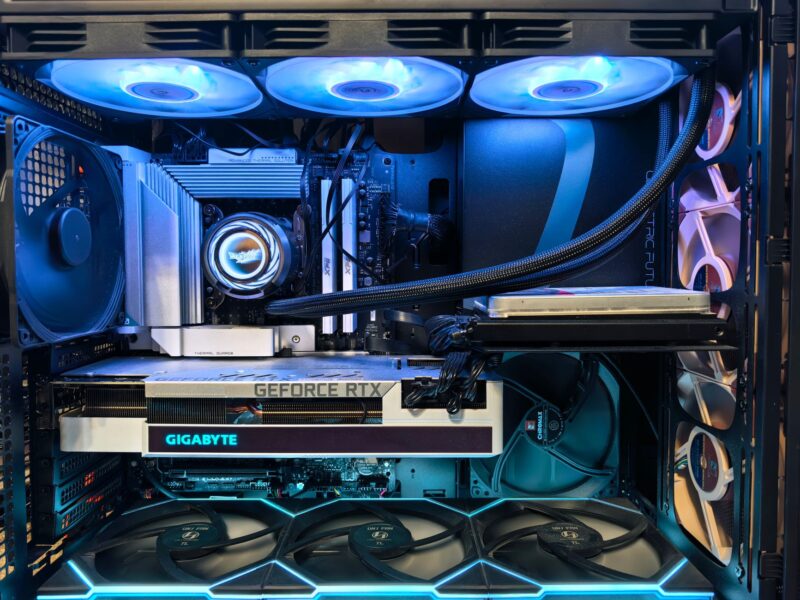
A 144Hz monitor is one of the most impactful hardware upgrades for competitive gaming. You see movement earlier and your shots feel more responsive.
Mouse sensitivity should be calibrated to allow 180-degree rotations using one arm movement. Too-high sensitivity reduces precision significantly.
Your display affects your ceiling. best gaming monitors covers the best gaming monitors available in 2026 for each budget and competitive discipline.
See how professional players perform. esports prize pools profiles the esports players who demonstrate what peak skill development looks like at the highest level.
Ergonomics and posture matter long-term. Gaming with poor posture for hours daily leads to neck, shoulder, and wrist issues that end careers and hobbies alike.
Track your win rate and statistics monthly, not daily. Variance obscures skill level over short samples. Improvement is visible in data across hundreds of matches.
Related Articles

Trust Post Desk
A journalist and editor at TrustPost.org covering world and national news, technology updates and human-interest stories. They check every fact, interview sources in person or online, and aim to deliver clear, accurate reporting. Their work ranges from breaking news to in-depth features and daily newsletters. Outside the newsroom, they follow emerging trends and engage with readers on social media.