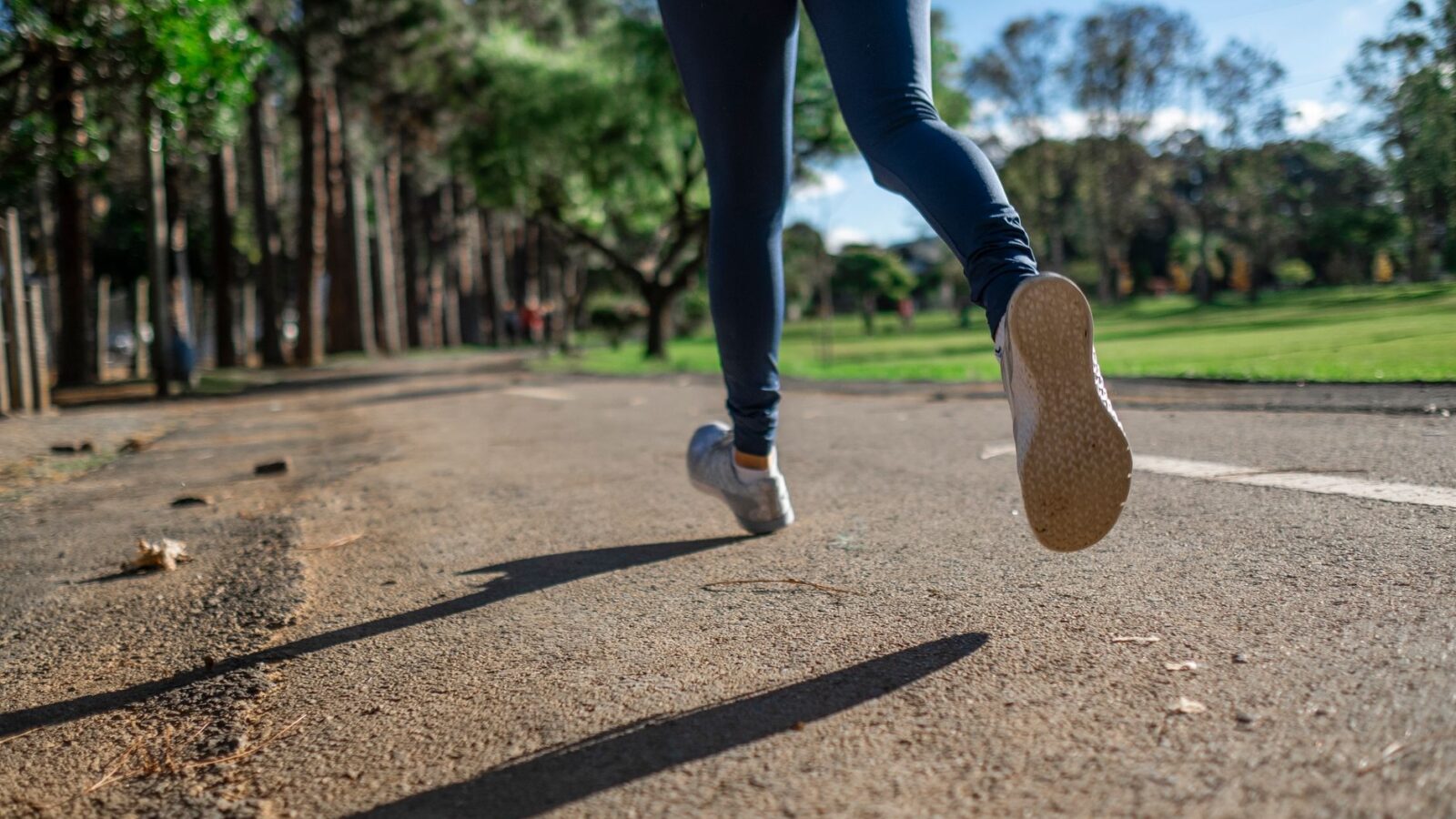
If you want to start running, the payoff is enormous: better heart health, lower anxiety, and longer life expectancy proven by research.
Research shows that even 5 to 10 minutes of daily running at slow pace reduces cardiovascular mortality risk by up to 29%.
Why Learning How to Start Running Is Worth It
The barrier is not fitness. It is knowing how to start running without injury or burnout from doing too much too soon.
Per Trail and Kale guide, the most common beginner mistake is running too fast too soon. Slowing down is actually the key to running farther.
What You Need Before You Start Running
You need one thing: shoes that fit. They do not need to be expensive, but they must feel comfortable with no pressure points.
Get fitted at a running store if possible. Staff can assess your gait and recommend shoes that match your foot type and stride.
Beyond shoes, moisture-wicking socks prevent blisters. Everything else, including GPS watches and compression tights, is optional at the start.
The Run-Walk Method: How to Start Running Without Injury
- Week 1: alternate 1 minute running, 2 minutes walking for 20 minutes total, 3 days per week
- Week 2: alternate 2 minutes running, 1 minute walking for 25 minutes total, 3 to 4 days per week
- Week 3: alternate 3 minutes running, 1 minute walking for 25 minutes total, 4 days per week
- Week 4: run 5 minutes, walk 1 minute for 30 minutes total: most beginners can now run continuously
- After week 4: run continuously for 20 to 30 minutes at a pace where you can hold a full conversation
Pace, Breathing, and Form for New Runners
Run at a conversational pace. If you cannot speak a full sentence without gasping, you are running too fast. Slow down.
Breathe naturally. Inhale through your nose or mouth and exhale fully. Do not force a specific breathing pattern at the start.
Keep your arms relaxed and bent at 90 degrees. Avoid crossing them over your body’s midline, which wastes energy with each stride.
Per Fleet Feet running tips, landing with your foot under your hips rather than in front reduces impact and injury risk significantly for beginners.
Running Safety in Heat and Humidity
Heat significantly raises cardiovascular strain during running. In summer, run in early morning or after sunset to avoid peak temperatures.
Drink water before you feel thirsty. By the time thirst registers, you are already mildly dehydrated and performance has already declined.
See hydration during sport for why even elite athletes need scheduled hydration breaks, and how to build this habit into your own running schedule.
Humidity amplifies heat risk by preventing sweat evaporation. heat risk for athletes explains the science behind why humid runs feel much harder than dry ones.
How to Track Progress and Stay Motivated
Log each run with distance, duration, and how you felt. Patterns across 3 to 4 weeks reveal improvement that feels invisible day to day.
Sign up for a 5K race 8 weeks out. Having a specific race date motivates consistent training more than any app or reward system.
Rest days are not optional. Running stresses bones and connective tissue. Repair happens during rest, not during the run itself.
Related Articles

Trust Post Desk
A journalist and editor at TrustPost.org covering world and national news, technology updates and human-interest stories. They check every fact, interview sources in person or online, and aim to deliver clear, accurate reporting. Their work ranges from breaking news to in-depth features and daily newsletters. Outside the newsroom, they follow emerging trends and engage with readers on social media.