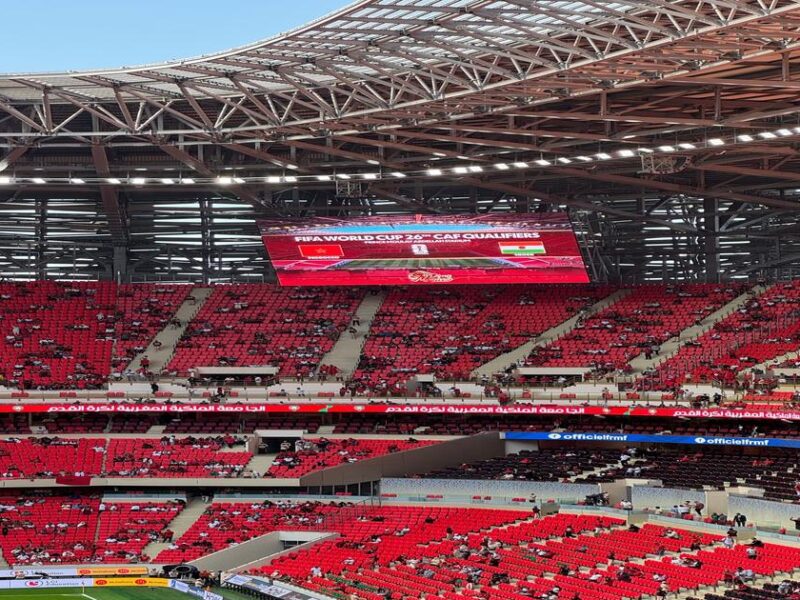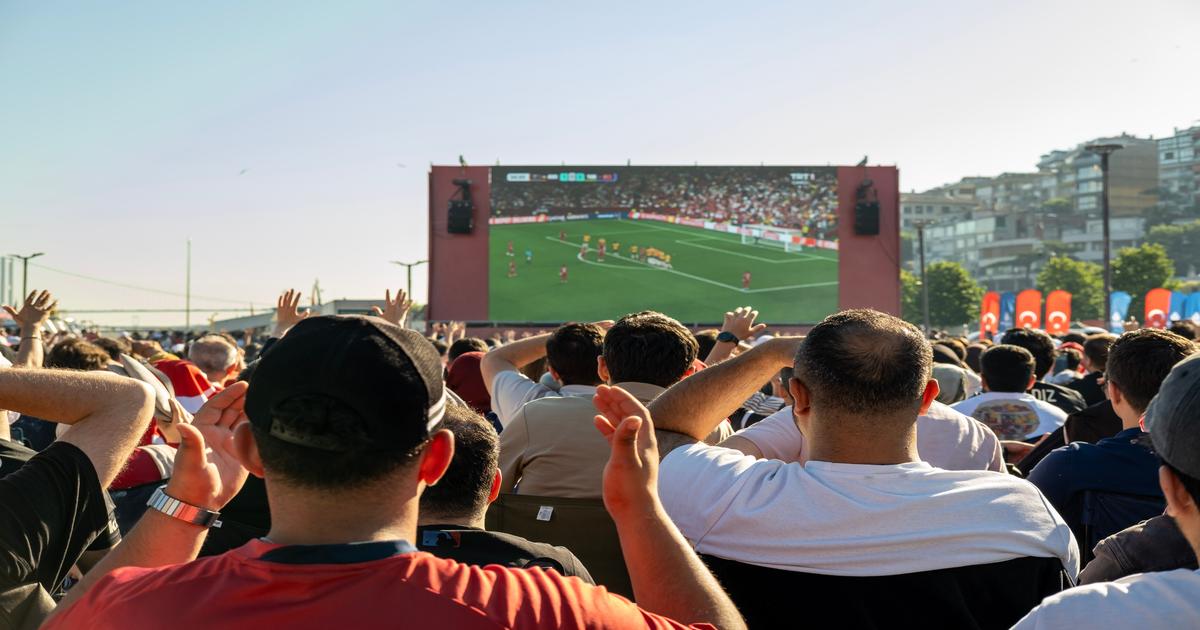
More than one in three 2026 FIFA World Cup matches face dangerously hot and humid conditions that could put players, fans, and officials at serious health risk, according to an NPR analysis of historical weather data for each of the 16 host cities. The tournament, which is already underway across the United States, Mexico, and Canada, is the first World Cup hosted in North America since 1994 and the first to feature 48 teams.
Approximately 26 of the 104 matches are projected to reach or exceed a Wet Bulb Globe Temperature (WBGT) of 26 degrees Celsius, the threshold above which international sports governing bodies recommend mandatory cooling interventions. Five games are expected to be played in conditions above 28 degrees WBGT, where the risk of heat illness rises sharply even for elite athletes.
The Most Dangerous Venues
| City | Average Heat Index (Jun-Jul) | Primary Risk | Games Scheduled |
|---|---|---|---|
| Monterrey, Mexico | 95F+ with high humidity | Highest outdoor heat exposure | Multiple group stage |
| Miami, USA | ~102F heat index | Late afternoon kickoffs | 7 matches (6 late afternoon) |
| Houston, USA | High humidity, 90F+ | Dew point adds to heat load | Group + knockout stage |
| Kansas City, USA | High heat + humidity July | Late summer heat peaks | Multiple matches |
| Vancouver, Canada | Mild – lower risk | Coolest venue | Group stage |
Why Miami Is the Biggest Concern
Miami stands out not just for its heat but for its match scheduling. According to NPR, six of Miami’s seven World Cup matches are scheduled to start in the late afternoon, sometimes only an hour or two after the hottest part of the day. Miami’s average heat index from mid-June through mid-July is approximately 102 degrees Fahrenheit, with dew points typically in the low-to-mid 70s.
That combination of air temperature and humidity means the body’s evaporative cooling through sweat becomes less effective. Elite soccer players running at high intensity can generate core body temperatures of 39 to 40 degrees Celsius within 30 minutes of intense effort in these conditions, approaching the threshold for heat exhaustion.
Real Incidents Already on Record
The concerns are not theoretical. During a June 25, 2024, international soccer match, referee Humberto Panjoj collapsed on the field due to heat illness and had to be rushed to the hospital. That incident, along with similar collapses in youth and amateur competitions, drove FIFA to implement mandatory cooling measures for the 2026 tournament.
According to Al Jazeera, WBGT-based risk models show that heat illness in soccer is not just a discomfort issue: it impairs cognitive function, reduces sprint speed, and slows reaction time, all of which affect match quality and player safety simultaneously.
FIFA’s Heat Safety Measures
FIFA implemented several mandatory measures specifically for the 2026 tournament in response to the heat risk. All outdoor stadiums must provide cooled benches for players and staff. Mandatory three-minute cooling breaks are required in each half of every match played above heat thresholds. Fans attending matches in high-risk venues can bring a factory-sealed water bottle, a policy change from standard stadium entry rules. Kickoff times in the hottest cities are being pushed to evening hours where possible.
Climate Central’s analysis confirmed that climate change is increasing the frequency of extreme heat days at all 16 World Cup venues, meaning the risk profile for future tournaments hosted in summer months will continue to worsen.
Fan Safety
Players have access to medical teams, cooling benches, and hydration stations. Fans standing in stadium concourses and open sections face the same heat with fewer protections. Local health departments in Miami, Houston, and Monterrey have issued public health advisories urging fans attending daytime matches to hydrate before arrival, wear light clothing, and identify the nearest medical station inside the stadium.
Frequently Asked Questions
Is it dangerous to watch the 2026 World Cup in person?
It depends on the venue and timing. More than one in three 2026 World Cup matches face dangerously hot and humid conditions. The highest risk venues are Monterrey (Mexico), Miami, and Houston. FIFA has implemented mandatory cooling breaks and allowed fans to bring water bottles to mitigate risk. Fans attending day or late afternoon matches in these cities should hydrate heavily, wear light clothing, and know the location of medical assistance inside the stadium.
What is Wet Bulb Globe Temperature (WBGT)?
Wet Bulb Globe Temperature (WBGT) is a heat stress index that accounts for air temperature, humidity, wind speed, and solar radiation simultaneously. It better reflects the body’s actual heat load than air temperature alone. International sports organizations use 26 degrees Celsius WBGT as the threshold for mandatory cooling interventions in competition. Above 28 degrees, the risk of heat illness rises significantly even for elite athletes.
How many 2026 World Cup matches face extreme heat?
Approximately 26 of the 104 World Cup matches are projected to reach WBGT levels at or above 26 degrees Celsius, the threshold for mandatory cooling measures. Five matches are expected to exceed 28 degrees WBGT, where heat illness risk becomes significant for players, officials, and fans.

Trust Post Desk
A journalist and editor at TrustPost.org covering world and national news, technology updates and human-interest stories. They check every fact, interview sources in person or online, and aim to deliver clear, accurate reporting. Their work ranges from breaking news to in-depth features and daily newsletters. Outside the newsroom, they follow emerging trends and engage with readers on social media.