
India’s Great Nicobar Island development is a $9 billion push to build a strategic maritime hub in the Indian Ocean.
The project includes a transshipment port, an international airport, a township, and a 450 MVA power plant.
Per NPR, the island sits 150 km from the Strait of Malacca, one of the world’s busiest shipping routes.
What India Is Building on Great Nicobar Island
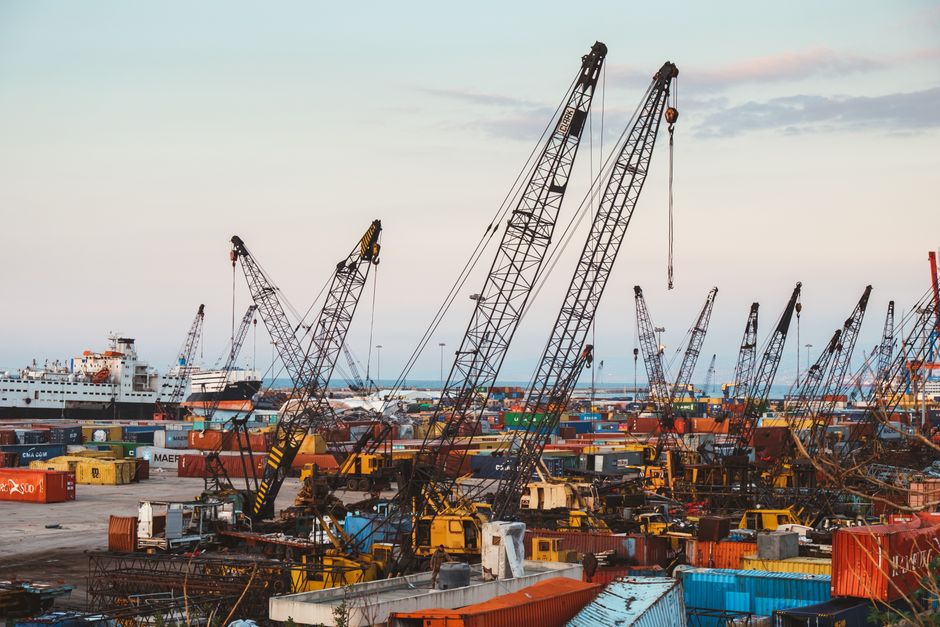
The International Container Transshipment Terminal will handle up to 14.2 million twenty-foot equivalent units.
A greenfield civil-military airport worth Rs 13,000 crore (roughly $1.4 billion) was cleared in June 2026.
The airport targets full operations by 2031 and is designed to handle 10 million passengers annually at maturity.
A cruise ship terminal with natural water depth over 20 metres sits 40 nautical miles from major shipping lanes.
A township spanning 16,610 hectares will house the workforce needed to operate the entire infrastructure complex.
Strategic Importance of the Great Nicobar Location

Great Nicobar sits at the junction of the Indian Ocean and South China Sea shipping corridors.
From there, India can monitor naval movements across one of the world’s most critical global trade routes.
Analysts describe the project as India’s direct counter to China’s Belt and Road port investment strategy.
China has built strategic ports in Sri Lanka, Pakistan, and Bangladesh to extend its Indian Ocean footprint.
A fully operational Nicobar port could capture transshipment trade currently routing through Singapore.
Environmental Concerns Around the Great Nicobar Project

Great Nicobar is one of India’s most ecologically pristine and biologically diverse territories.
The project requires clearing primary rainforest and coastal mangrove habitat for port and airport construction.
Conservation groups warn the development threatens leatherback sea turtle nesting grounds on the island coast.
The island also hosts the Shompen tribe, an isolated indigenous group with minimal outside contact.
India’s government argues the project’s strategic and economic value outweighs the environmental trade-offs.
What Great Nicobar Means for Global Trade Routes
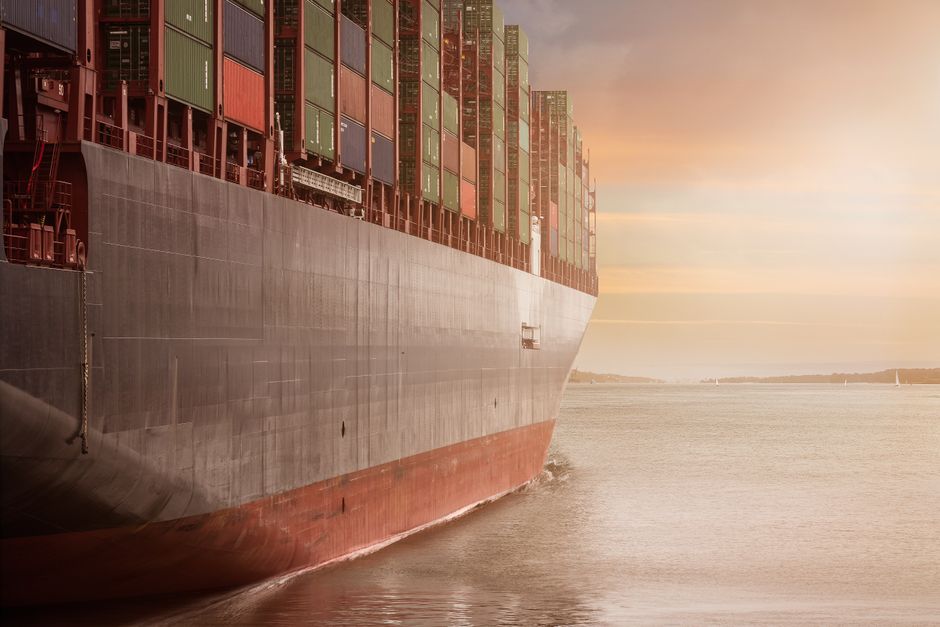
A Nicobar hub would reduce Asia’s reliance on Singapore as the region’s dominant relay transshipment port.
India stands to earn billions in port fees and position itself as the Indo-Pacific’s logistics backbone.
The project ties into India’s 6G digital infrastructure investment for smart port logistics networks.
It also connects to India’s EV battery supply chain push, where sea route control matters enormously.
Great Nicobar Development Timeline and Funding
Airport construction begins in 2026, targeting an operational date of 2031 after five years of work.
Port terminal phases run in parallel, with full capacity expected by the mid-2030s.
India is co-funding through the Andaman and Nicobar Islands Integrated Development Corporation (ANIIDCO).
Environmental clearances have been contested in court by conservation groups, but construction is proceeding.
The $9 billion figure covers all four components: port, airport, township, and the 450 MVA power facility.
India’s Ministry of Ports, Shipping, and Waterways is the nodal authority overseeing the entire project.
PM Modi has personally championed the project as central to India’s Indo-Pacific strategic ambitions.
Related Articles

Trust Post Desk
A journalist and editor at TrustPost.org covering world and national news, technology updates and human-interest stories. They check every fact, interview sources in person or online, and aim to deliver clear, accurate reporting. Their work ranges from breaking news to in-depth features and daily newsletters. Outside the newsroom, they follow emerging trends and engage with readers on social media.