
Chip stocks tumbled and the broader market slipped as Micron earnings approached, extending a sharp technology selloff on Wall Street this week.
The pullback rattled investors who had ridden semiconductors to enormous gains throughout 2026, with Micron up more than 300% this year.
Why Chip Stocks Are Falling
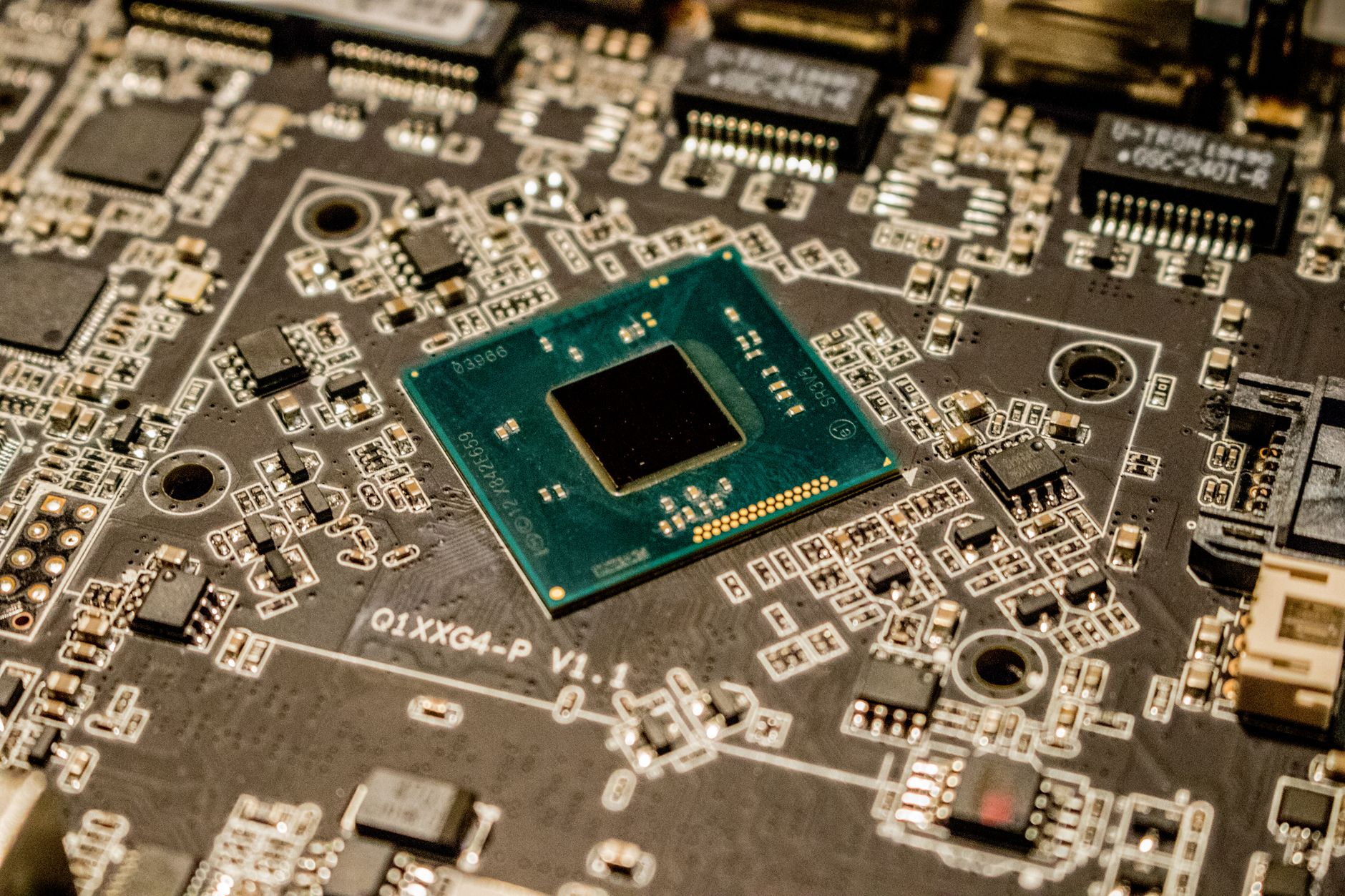
Memory chip stocks led the decline, with Micron and several South Korean chipmakers posting steep losses ahead of earnings.
The Nasdaq Composite slid 2.21% in one session to close at 25,587, dragged lower by the technology sell-off.
The S&P 500 also fell 1.44% to 7,365, showing the weakness spread beyond just semiconductor names.
Traders had grown wary that the blistering chip rally pushed valuations far ahead of actual demand.
Profit-taking accelerated as investors locked in gains before a wave of high-stakes earnings reports.
According to CNBC market coverage, the moves reflect nervousness about stretched valuations after a historic chip rally.
Micron Earnings in Focus

All eyes are on Micron, whose upcoming earnings report could set the tone for the entire memory chip sector.
Micron has benefited enormously from supply shortages, with its shares climbing over 300% across 2026 so far.
Investors want to know whether booming AI demand can justify those gains, or whether the rally has peaked.
Memory chips are critical for AI servers, so Micron’s guidance is watched closely across the industry.
A strong forecast could calm nerves, while any caution may trigger another leg of selling.
The Kiplinger earnings calendar shows several major companies reporting the same week, adding to market volatility.
The Broader Market Selloff

The chip weakness rippled into the wider market, pulling down major indexes in back-to-back trading sessions.
Not every name fell, though. Arm Holdings rose 3% after analysts at UBS and TD Cowen raised price targets.
Analysts cited an improving outlook for Arm’s CPU business as agentic AI applications grow more popular.
Worthington Enterprises tumbled 10% after its quarterly results missed Wall Street expectations badly.
Homebuilder KB Home bucked the trend, adding 3% after beating analyst revenue estimates for the quarter.
Major deals are also reshaping the sector, as seen in the Qualcomm and Modular AI deal announced this month.
What It Means for Investors

Analysts say corporate earnings remain resilient and the economy keeps growing, supporting longer-term optimism despite the dip.
Still, they warn about risks from concentrated market leadership, high valuations, and persistent inflation pressures.
A heavy reliance on a handful of giant tech names leaves the market exposed to sudden swings.
Diversification across sectors can soften the blow when a single hot group cools off quickly.
For those seeking stability, dividend assets like best REITs for steady income can balance a tech-heavy portfolio.
As always, short-term volatility is a normal feature of markets, not necessarily a sign of deeper trouble.
Long-term investors are often best served by tuning out the daily noise and staying focused on fundamentals.
History shows that sharp pullbacks in hot sectors frequently precede renewed buying once panic fades.
Keeping some cash on hand lets patient investors take advantage of sudden dips in quality names.
The coming weeks of earnings will reveal whether the AI-driven rally has more room to run.
Related Articles
Qualcomm Acquires AI Startup Modular in $3.9 Billion Deal
Best REITs to Invest In: Top Picks for Dividend Income
OpenAI and Broadcom Unveil Jalapeno, Their First Custom AI Chip

Trust Post Desk
A journalist and editor at TrustPost.org covering world and national news, technology updates and human-interest stories. They check every fact, interview sources in person or online, and aim to deliver clear, accurate reporting. Their work ranges from breaking news to in-depth features and daily newsletters. Outside the newsroom, they follow emerging trends and engage with readers on social media.