Microplastics are in your blood, your lungs, your brain, your testicles, and your unborn children. That is not an alarmist headline. It is the state of the published science in 2026, and it is why microplastic avoidance has moved from fringe wellness concern to mainstream behavior change and government policy within the past 18 months.
In April 2026, the EPA and HHS jointly announced the most significant US federal action on microplastics in history, classifying them as a priority contaminant group and launching STOMP (Systematic Targeting of Microplastics), a research initiative to measure, study, and develop methods to remove microplastics from the human body.
The NRDC launched a national public health campaign called “Microplastics Are Micromonsters” in Times Square and across New York City the same month, placing the issue in front of tens of millions of people who had not previously thought about it.
What Microplastics Are and Where They Come From
Microplastics are plastic fragments smaller than 5 millimeters. Nanoplastics are even smaller, at under 1 micrometer, and can cross biological barriers including the blood-brain barrier and placenta that larger particles cannot.
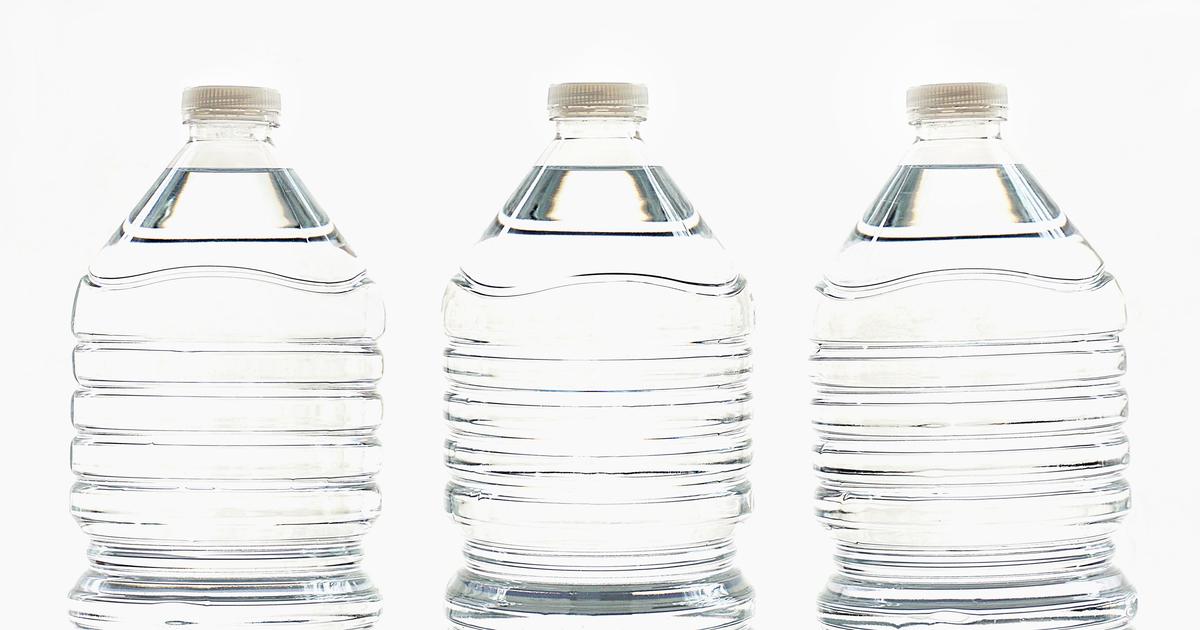
Sources include the breakdown of plastic bottles and packaging, synthetic clothing fibers shed in the wash, plastic cutting boards abraded during food prep, car tire dust, and the degradation of plastic bags and food wrappers. Single-use plastics and plastic-lined food containers are among the highest-exposure pathways in daily life.
A 2024 study estimated that the average American consumes approximately 50,000 microplastic particles per year through food, water, and air inhalation. People who drink predominantly from plastic bottles consume significantly more. The figure has risen substantially over 20 years as global plastic production has doubled.
What the Health Research Shows
Microplastics have been detected in human blood, lungs, placenta, breast milk, colon tissue, brain tissue, and testicular tissue in published studies through 2024-2026. Detection is now near-universal in tested samples, meaning most adults carry measurable microplastic loads regardless of lifestyle.
The health effects are less certain than the presence. Studies have linked microplastics to inflammation, oxidative stress, endocrine disruption (particularly from associated chemical additives like BPA and phthalates), and potential carcinogenicity. A 2024 study in the New England Journal of Medicine found significantly elevated cardiovascular risk in patients with detectable microplastics in arterial plaque compared to those without.
According to Harvard T.H. Chan School of Public Health, the science is “deeply concerning but not yet conclusive” on specific disease causation, because human exposure has only been measurable for a few years and long-term epidemiological data is limited.
What People Are Actually Doing About It
Behavioral changes in response to microplastics awareness fall into practical categories that require no medical intervention and carry no downside. Switching from plastic water bottles to stainless steel or glass reduces one of the highest daily exposure pathways. Filtering tap water with a reverse osmosis system removes the vast majority of microplastics from drinking water.
Replacing plastic cutting boards with wood or bamboo eliminates one of the highest food-preparation exposure sources. Avoiding microwaving food in plastic containers, especially when scratched, prevents heat-accelerated plastic leaching into food.
The wellness industry has responded with a wave of products marketed as microplastic protection, including filtration systems, “plastic-free” kitchen equipment, and supplements claiming to bind or expel plastics. The scientific evidence for supplemental “detox” products is currently weak; the lifestyle swaps above have stronger support.
Practical Steps to Reduce Microplastic Exposure
| Area | High-Exposure Habit | Lower-Exposure Switch | Difficulty |
|---|---|---|---|
| Drinking water | Plastic bottles | Stainless steel / glass bottle | Easy |
| Water filtration | Tap water unfiltered | Reverse osmosis or Berkey filter | Easy |
| Food prep | Plastic cutting board | Wood or bamboo board | Easy |
| Food heating | Microwave in plastic containers | Glass or ceramic containers | Easy |
| Clothing | Synthetic fabrics (polyester, nylon) | Natural fibers (cotton, wool, linen) | Moderate |
| Washing laundry | No filter | Microfiber-catching laundry bag or filter | Easy |
| Sea salt and seafood | High-frequency consumption | Reduce or diversify protein sources | Moderate |
| Tea bags | Plastic mesh tea bags | Loose-leaf tea with metal strainer | Easy |
Government and Industry Response in 2026
The EU plans to restrict 500 synthetic polymer types under its Green Deal Chemicals Strategy by 2030. Several major European nations are implementing single-use plastic bans more aggressively than the US, reflecting a regulatory divergence on plastic policy that mirrors the GDPR-era split on data privacy.
In the US, the EPA’s April 2026 listing of microplastics as priority contaminants is the first formal step toward potential drinking water regulation. The process from priority listing to enforceable limits typically takes 5 to 10 years under current regulatory frameworks.
Several consumer brands including Aveda, Lush, and Weleda have phased out synthetic microbeads from cosmetics and switched to biodegradable packaging, driven by regulatory pressure and consumer preference data showing that microplastic avoidance has become a purchase decision factor for 34 percent of adults in a May 2026 consumer survey.
Frequently Asked Questions
Are microplastics dangerous?
Microplastics have been detected in virtually every human tissue tested in recent studies, including blood, lungs, brain, and placenta. Research links them to inflammation, endocrine disruption, and elevated cardiovascular risk. However, direct causation of specific diseases is not yet definitively established because large-scale long-term human studies are still underway. The precautionary principle suggests reducing exposure is sensible given what is known.
How do I know if I have microplastics in my body?
There is currently no routine consumer test for microplastic body burden. Research-grade testing exists in academic and clinical settings. Given that microplastics have been detected in nearly 100 percent of human samples tested in published studies, it is safe to assume most people carry some microplastic load. The question is magnitude of exposure rather than presence or absence.
Can you remove microplastics from your body?
The body naturally processes and eliminates some microplastic particles through the digestive system. The EPA’s STOMP initiative was launched specifically to develop methods for measuring and removing microplastics from the body, meaning effective removal approaches do not yet exist as standard interventions. Reducing ongoing exposure is the most evidence-based current approach.

Trust Post Desk
A journalist and editor at TrustPost.org covering world and national news, technology updates and human-interest stories. They check every fact, interview sources in person or online, and aim to deliver clear, accurate reporting. Their work ranges from breaking news to in-depth features and daily newsletters. Outside the newsroom, they follow emerging trends and engage with readers on social media.