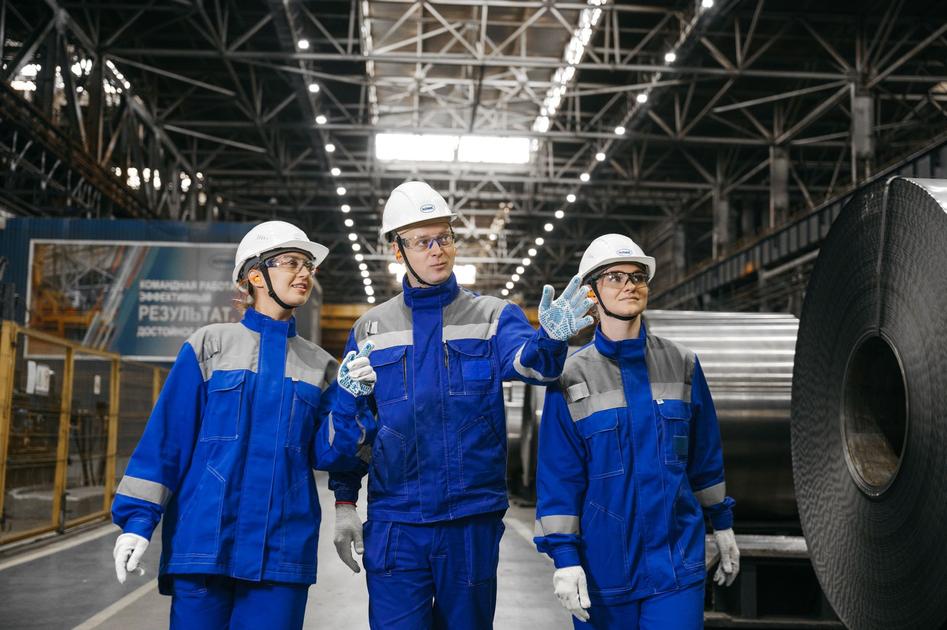
Russia’s defense industrial base is operating at the highest sustained production rates of the post-Soviet era in 2026, with artillery ammunition, missiles, armored vehicles, and drone manufacturing all running at multi-shift operations that reflect President Putin’s commitment to maintaining military pressure in Ukraine regardless of the economic costs that war production imposes on the civilian economy. Russian artillery shell production, estimated by Western defense analysts at somewhere between 2 and 3 million rounds annually, has been augmented by purchases from North Korea – which has supplied Russia with shells compatible with Soviet-caliber artillery systems – and by production at reconstituted facilities that were dormant or running at minimal capacity during the post-Cold War defense spending drawdown of the 1990s and 2000s. The scale of Russia’s defense industrial mobilization – which the Stockholm International Peace Research Institute describes as the most intensive rearmament of any major power since World War II in per-year terms – has required both explicit government direction and significant financial incentives to shift labor and industrial capacity from civilian to defense production, with wages in defense enterprises running substantially above private sector equivalents to attract and retain workers.
The economic consequences of this reallocation are visible in the Russian consumer economy in 2026. Civilian goods that use the same manufacturing capacity, workers, electronic components, or raw materials as defense products face shortages and price increases that the government’s price controls and import substitution programs can only partially address. Automotive production has been particularly disrupted by the combination of sanctions-driven component shortages – Western electronic components for vehicles are unavailable under export controls, and Russian manufacturers have had to either source alternatives from China or reduce production – and the shift of precision manufacturing capacity to defense applications. Consumer electronics, which in Russia were almost entirely imported from Western or South Korean brands that have largely withdrawn from the market, are now available primarily through parallel import channels that bring in products through third-country intermediaries, often at premium prices that reflect the additional supply chain complexity. The IMF’s assessment of Russia’s economy in 2026 reflects this distorted growth pattern: Russia’s GDP is growing at approximately 2.5-3 percent, driven by defense spending and the fiscal multiplier of war production, but the structural imbalances created by defense sector prioritization are accumulating and will impose long-term costs even if a ceasefire reduces the near-term production pressure. The Russia-Kazakhstan trade relationship has become an important economic safety valve for Russia precisely because Kazakhstan can supply some of the civilian goods whose domestic production has been crowded out by defense mobilization.

Trust Post Desk
A journalist and editor at TrustPost.org covering world and national news, technology updates and human-interest stories. They check every fact, interview sources in person or online, and aim to deliver clear, accurate reporting. Their work ranges from breaking news to in-depth features and daily newsletters. Outside the newsroom, they follow emerging trends and engage with readers on social media.