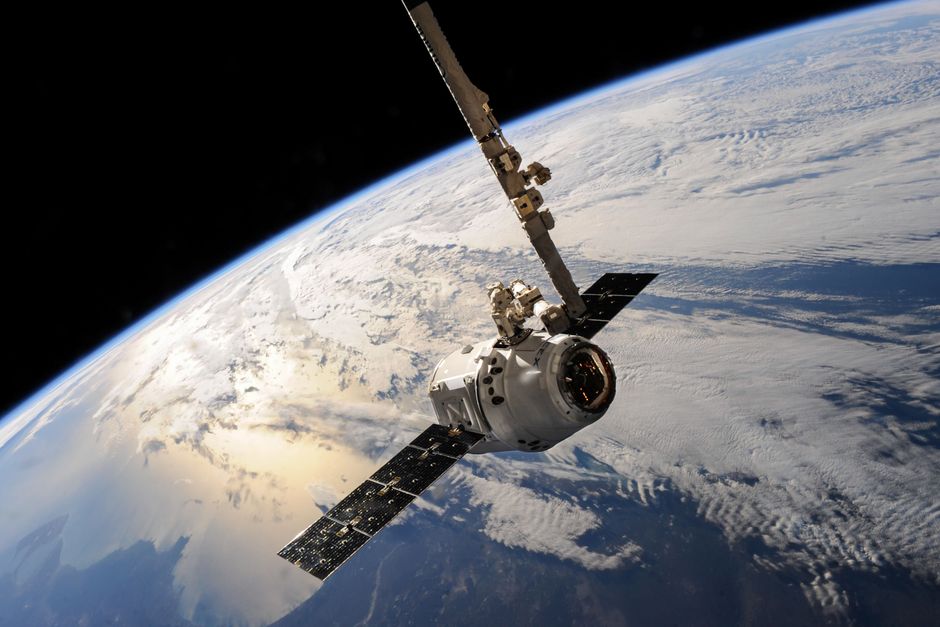
SoftBank CEO Masayoshi Son publicly dismissed Elon Musk’s vision of building AI data centers in orbit, arguing at a recent shareholder meeting that the idea is too slow and too costly to matter in the race that counts. Son said the next few years of AI development are far more important than anything that might happen a decade from now, when orbital infrastructure could realistically come online.
His skepticism carries weight given SoftBank’s massive bets on terrestrial AI infrastructure. The clash highlights a growing debate over where the enormous compute needed for AI should actually be built, a question we have followed in our coverage of the fights over new data center projects.
Why Son Says Space Data Centers Miss the Point
Son’s core argument is about economics. As Fortune reported, the main appeal of orbital data centers is cutting electricity costs through abundant solar power and free cooling. But Son contends that electricity is a negligible line item, and the timeline and expense of launching hardware into space simply do not pencil out against building on Earth now.
In his view, the AI industry needs computing capacity immediately, not in ten years. Spending heavily on an unproven orbital approach risks ceding ground to rivals who scale terrestrial capacity faster and cheaper, and the gap could prove decisive.
The 93 Percent Problem: Chips, Not Electricity
Son put hard numbers behind his case. He noted that electricity accounts for only about 7 percent of the cost of running AI infrastructure, while chips make up the remaining 93 percent. If power is a small fraction of total spending, then optimizing for cheap orbital electricity solves the wrong problem entirely.
This framing reframes the entire orbital pitch. The real bottleneck in AI is access to advanced processors, not energy, and no amount of solar power in orbit addresses the chip supply that dominates the budget and the competitive race.
SoftBank’s Own Earthbound Data Center Bet
There is irony in Son playing the skeptic, given SoftBank’s long history of audacious bets. As TechCrunch noted, SoftBank is itself very heavily invested in data center projects on the ground, which gives Son a direct stake in proving that terrestrial buildouts are the smarter path.
That conflict of interest does not necessarily make him wrong, but it does color his critique. SoftBank wins if the industry keeps pouring money into Earth-based capacity rather than chasing Musk’s orbital moonshot, a fact worth keeping in mind.
Investors Beyond Son Share the Doubts
Son is not alone in questioning the orbital hype. A range of investors and analysts have raised similar concerns about cost, latency, maintenance, and the sheer difficulty of servicing hardware in space. SpaceX stock reportedly slipped as the skepticism spread across the market.
For investors weighing exposure to the space economy, our guide to the best space stocks after the SpaceX IPO breaks down where the real near-term opportunities lie versus the speculative bets that may take a decade to pay off.
Related Articles
Data Center Protests: $130 Billion in Projects Blocked

Trust Post Desk
A journalist and editor at TrustPost.org covering world and national news, technology updates and human-interest stories. They check every fact, interview sources in person or online, and aim to deliver clear, accurate reporting. Their work ranges from breaking news to in-depth features and daily newsletters. Outside the newsroom, they follow emerging trends and engage with readers on social media.