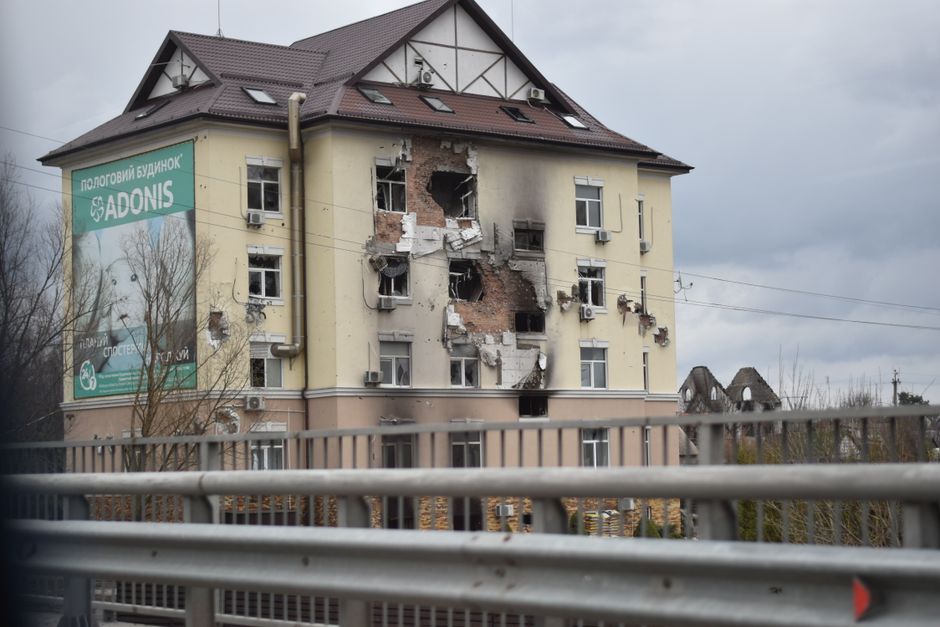
Ukraine attacks on Crimea’s fuel supply depots have forced the governor to halt all civilian gasoline sales indefinitely.
Kremlin-appointed Crimean governor Sergey Aksyonov announced the civilian gasoline ban on June 21, saying fuel would go only to government agencies.
Ukraine’s Attacks on Crimea Fuel Supply: What Was Hit
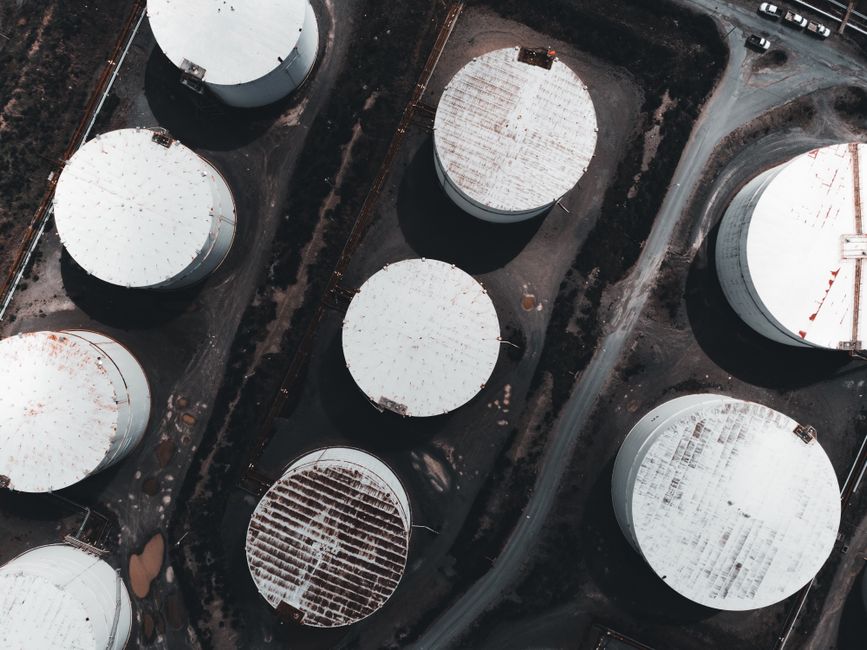
Ukrainian President Volodymyr Zelenskyy confirmed that a Crimean oil depot and an oil transport facility in Russia’s Krasnodar region were targeted.
A drone strike sparked a fire at a Black Sea oil terminal in the village of Chushka in the Krasnodar region of southern Russia.
Aksyonov reported that overnight Ukrainian strikes killed four people and wounded 28 others, with damage to civilian and military infrastructure.
Per NPR reporting, Ukrainian forces have repeatedly targeted Crimean fuel supplies in recent weeks as part of a sustained campaign.
Zelenskyy described the attacks as Ukraine’s ‘long-range sanctions’ against Russian energy infrastructure, framing them as an economic pressure strategy.
Civilian Gasoline Ban in Crimea: What Russians Face
Aksyonov ordered all civilian gas stations in Crimea to halt sales to private citizens and non-state companies for an undefined period.
Only government agencies responsible for Crimea’s functioning and security are permitted to purchase fuel during the civilian gasoline ban.
The ban represents the worst energy crisis in Crimea since Russia illegally annexed the peninsula from Ukraine in 2014.
Crimean residents face fuel shortages affecting personal vehicles, agricultural equipment, fishing boats, and small business operations simultaneously.
Per Washington Post reporting, the fuel crisis is creating significant civilian hardship and straining Russian logistics on the occupied peninsula.
Ukraine’s Strategy: Targeting Crimea’s Energy Infrastructure
Ukraine has been systematically targeting Crimea’s fuel supply lines as a way to degrade Russia’s military logistics and civilian resilience.
Crimea serves as a crucial staging ground for Russian military operations in southern Ukraine, making its fuel supply a legitimate military target.
By disrupting fuel flow, Ukraine aims to complicate Russian troop movements, equipment resupply, and command-and-control operations in the south.
The Kerch Bridge, Crimea’s main land connection to Russia, has been damaged by previous Ukrainian strikes, already straining supply chains.
For context on related developments in the Russia-Ukraine conflict, see our earlier coverage of Ukrainian drone strikes on Russian oil refineries.
Russia’s Response to the Crimea Fuel Attack
Russian officials condemned the attacks as targeting civilian infrastructure and vowed military responses to Ukrainian strikes on Russian territory.
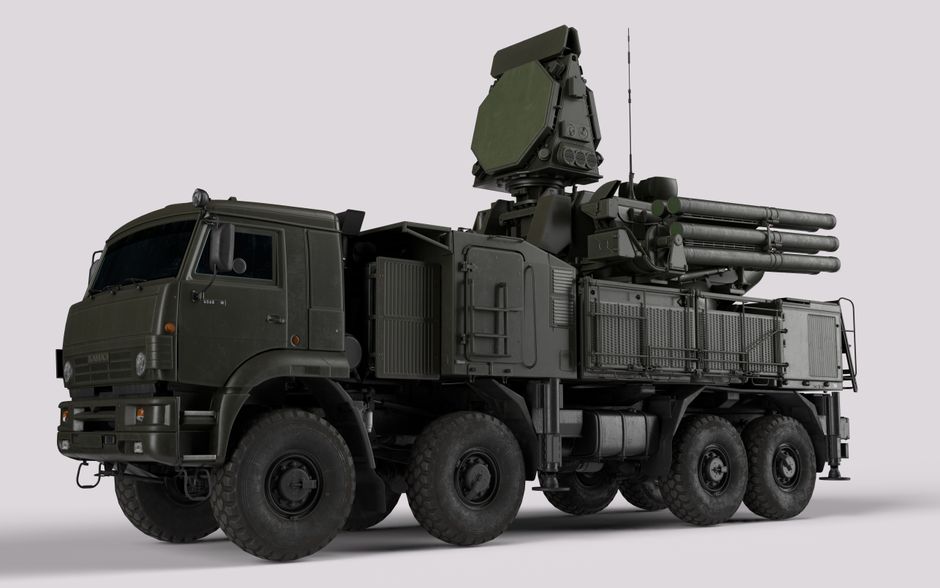
Russia’s air defense forces have been on heightened alert across Crimea and Krasnodar as Ukraine’s long-range drone campaign intensifies.
The Kremlin has not indicated any willingness to negotiate over Crimea’s status, describing it as an integral part of the Russian Federation.
The fuel crisis could force Russia to divert military resources to defending energy infrastructure rather than offensive operations in eastern Ukraine.
For broader context on the Ukraine-Russia conflict’s global implications, see our coverage of other ongoing global conflicts in June 2026.
Related Articles

Trust Post Desk
A journalist and editor at TrustPost.org covering world and national news, technology updates and human-interest stories. They check every fact, interview sources in person or online, and aim to deliver clear, accurate reporting. Their work ranges from breaking news to in-depth features and daily newsletters. Outside the newsroom, they follow emerging trends and engage with readers on social media.