Ukraine launched its largest-ever drone strike on Moscow on June 18, 2026, hitting the Kapotnya oil refinery.
Russia’s Defense Ministry reported 555 Ukrainian drones intercepted overnight across multiple Russian regions.
Nearly 200 drones were shot down over Moscow alone, per NPR, the highest single-city interception total of the war.
Ukraine’s Record Drone Strike on Moscow Explained
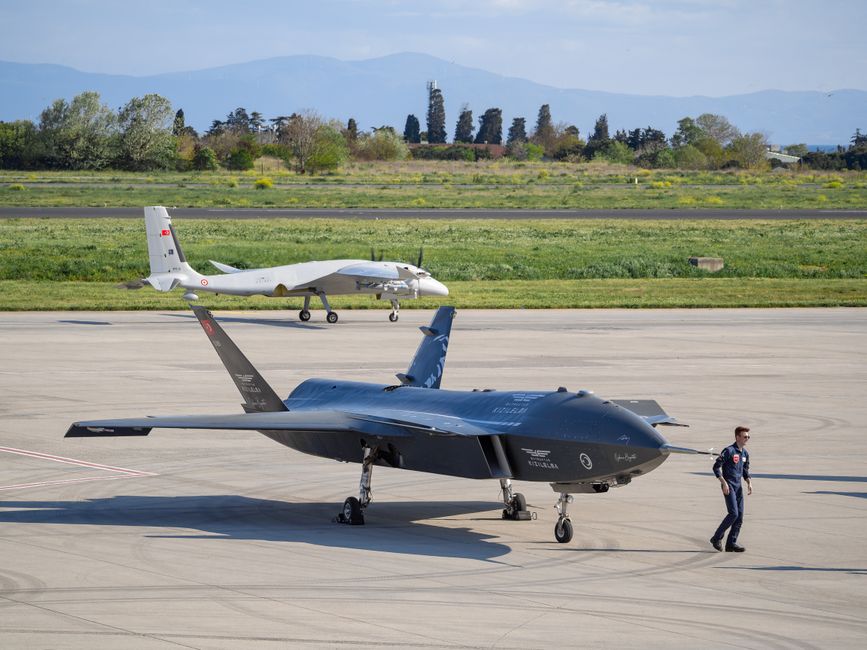
The operation required hundreds of drones launched simultaneously, indicating advanced logistics and intelligence support.
All major Moscow airports, including Sheremetyevo and Domodedovo, temporarily suspended flights overnight.
Russian authorities confirmed 17 people were injured across the capital from falling debris and secondary blasts.
This was the second reported hit on the Kapotnya refinery in just three days, confirming deliberate targeting.
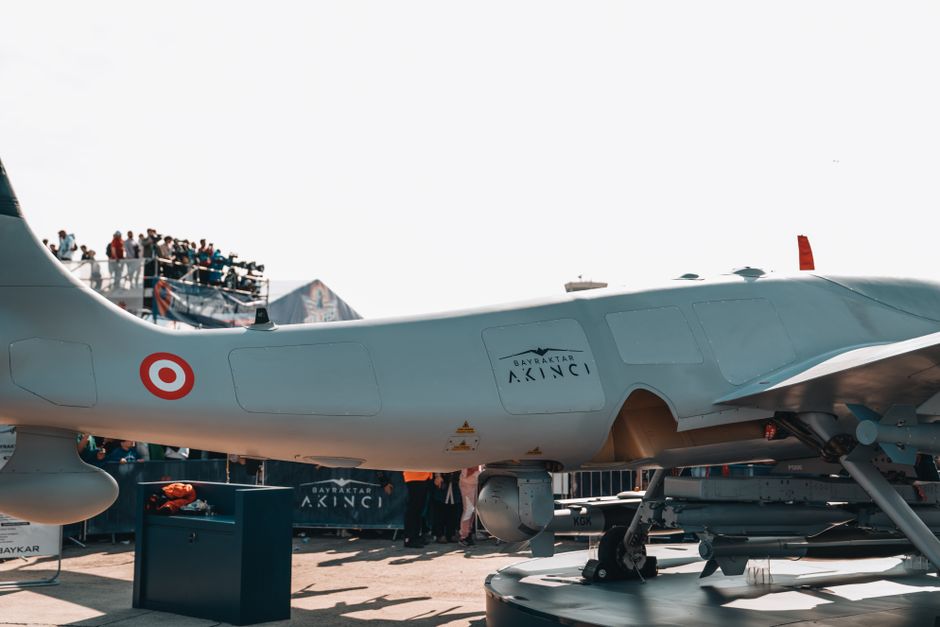
Ukraine deployed a mix of long-range FPV drones and modified reconnaissance drones in successive attack waves.
Why Ukraine Targeted the Moscow Kapotnya Refinery
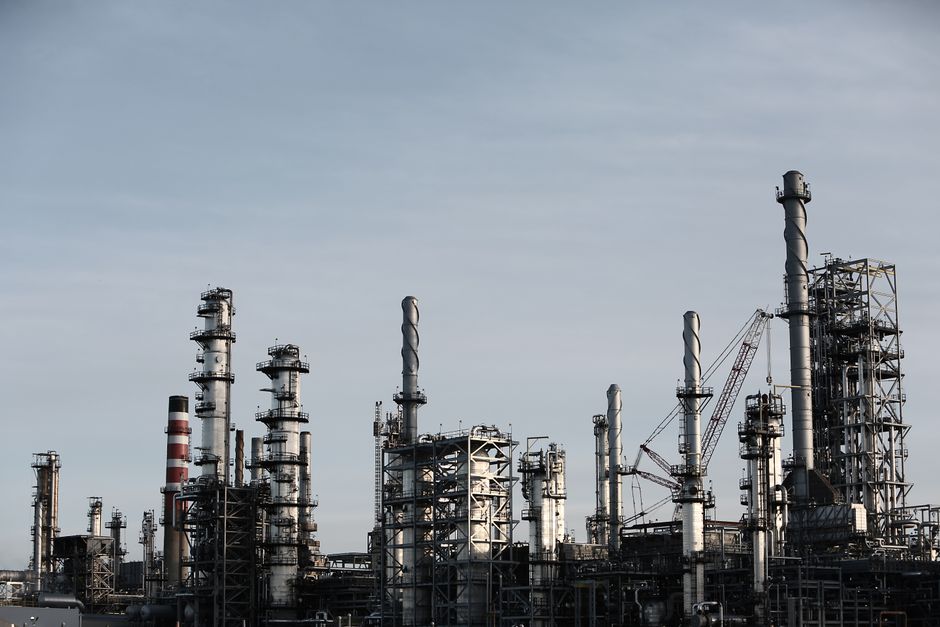
Kapotnya supplies 40% of Moscow’s fuel market and 70% of the surrounding region’s aviation fuel supply.
Striking energy infrastructure forces Russia to divert resources from frontline supply to domestic fuel needs.
Zelenskyy called the strike ‘fully justified,’ per CNN, in response to Russia’s ongoing attacks on Ukrainian cities.
Targeting Moscow is also a psychological operation designed to increase pressure on Russian domestic public opinion.
Zelenskyy warned: ‘It is time the war ended, and Russia must take the necessary steps in diplomacy.’
Russia’s Air Defense Response to the Drone Swarm
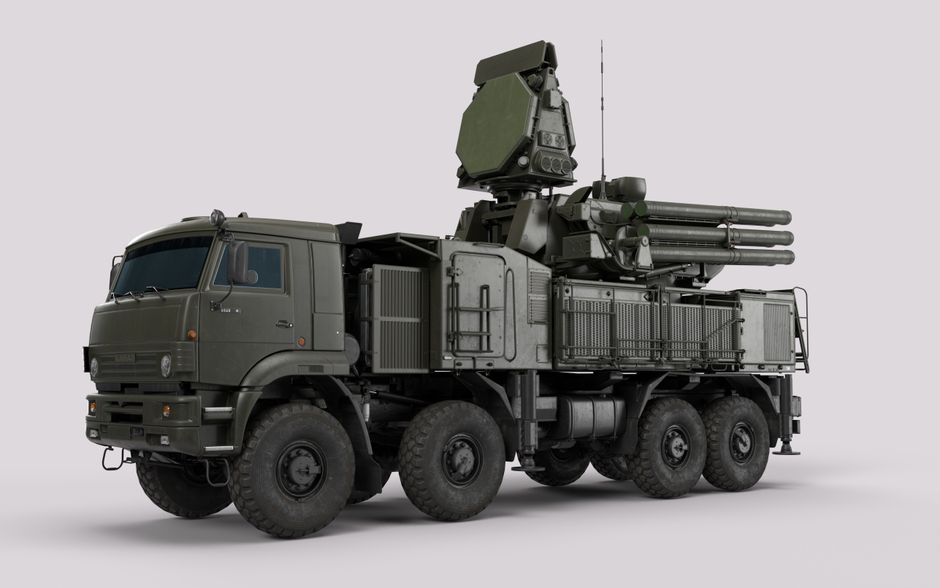
Russia’s multi-layered air defense intercepted 555 drones in one night, a record for a single-night operation.
Despite that high interception rate, enough drones still reached the refinery to cause fires and structural damage.
Moscow’s military governor declared a 48-hour heightened security alert following the attack.
Russia launched retaliatory missile and drone strikes on Kyiv, Kharkiv, and Odesa the following morning.
The exchange marks one of the most intense 48-hour escalation periods since Russia’s 2022 full-scale invasion.
International Reaction to the Moscow Drone Attack
Western governments did not formally condemn the strike, as Ukraine is legally entitled to target Russian territory.
The operation’s scale raised questions about what intelligence or logistics support Ukraine received from allies.
The escalation adds global pressure alongside the Hormuz standoff as a simultaneous flashpoint.
Energy analysts warned the strike could push up global inflation if Russian oil exports are disrupted.
Poland and the Baltic states called for emergency NATO consultations to assess the escalation trajectory.
What the Moscow Strike Means for the War Going Forward
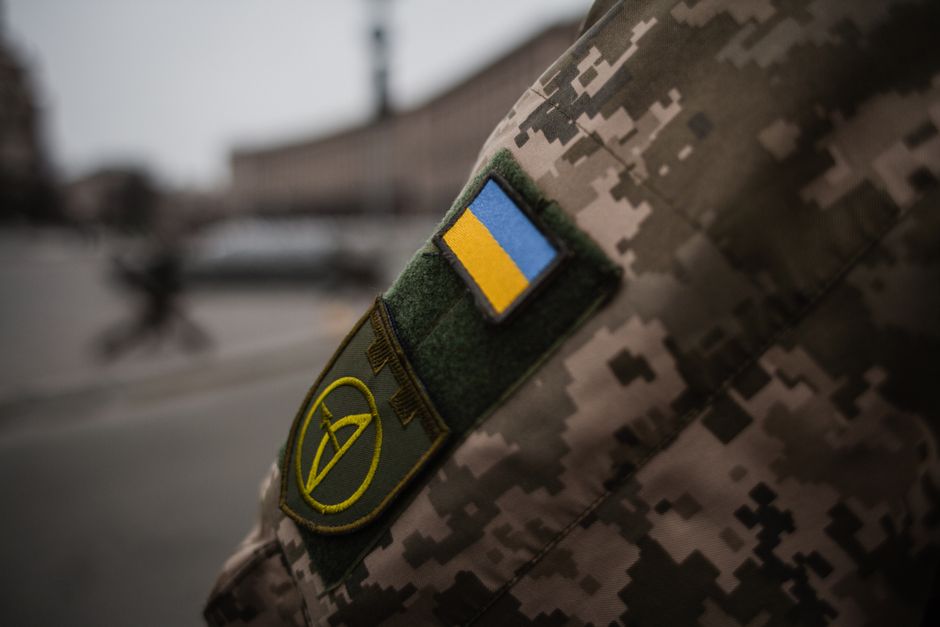
Ukraine shows no sign of scaling back Russian territory strikes as it pushes for a negotiated settlement.
Russia faces a dilemma: escalating risks broadening NATO involvement, but restraint signals strategic weakness.
No third-party mediator is currently accepted by both sides, and peace talks remain fully stalled.
Ukraine’s growing drone capability shifts the calculus and puts Russia’s home front under new sustained pressure.
Western defense analysts expect Ukraine to continue refinery targeting as a cost-imposition strategy through 2026.
Russia’s air defenses, record-breaking in interceptions, cannot yet reliably stop all simultaneous drone waves.
Related Articles

Trust Post Desk
A journalist and editor at TrustPost.org covering world and national news, technology updates and human-interest stories. They check every fact, interview sources in person or online, and aim to deliver clear, accurate reporting. Their work ranges from breaking news to in-depth features and daily newsletters. Outside the newsroom, they follow emerging trends and engage with readers on social media.