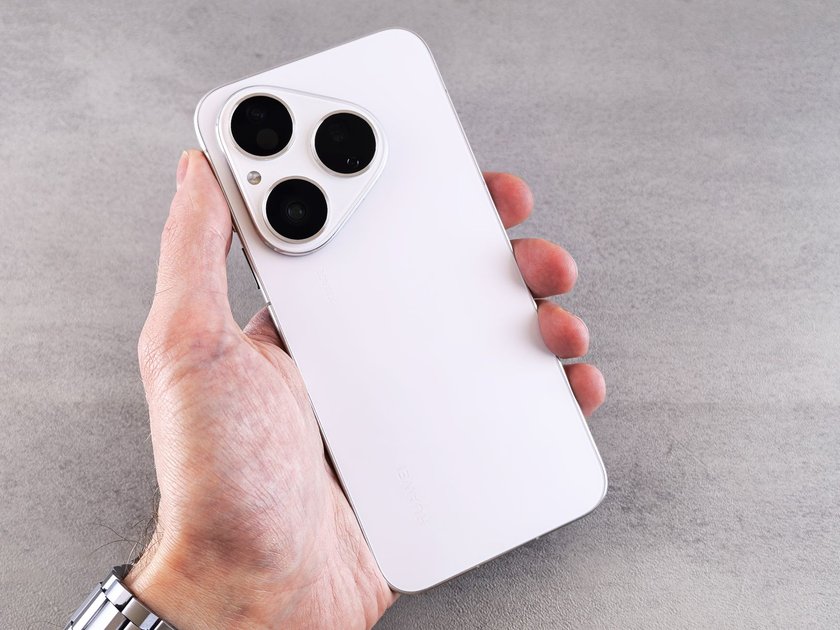
As the iPhone 17 family approaches its expected September 2026 launch, the rumor mill is already churning out speculation about what comes next in Apple’s smartphone lineup – specifically, two products that have been the subject of credible supply chain reports for the past 18 months: an iPhone Ultra positioned above the current Pro Max tier, and Apple’s long-rumored entry into the foldable phone market. Both products, if they materialize as described by analyst sources and supply chain reporters, would represent significant expansions of Apple’s iPhone strategy and direct competitive responses to Samsung’s Galaxy Ultra and Z Fold lines, which have occupied market territory that Apple has deliberately left uncontested until now.
iPhone Ultra: What We Know
The iPhone Ultra has been reported by Ming-Chi Kuo, Jeff Pu, and The Information – three of the most reliable Apple supply chain sources – as a product in development for a 2027 launch at the earliest. The Ultra designation, which Apple has used in the Watch Ultra lineup since 2022, would position the product explicitly as a professional-grade tool for users who need maximum performance and durability regardless of cost. Reports describe a device with specifications that exceed the Pro Max in key areas: a larger titanium chassis with enhanced thermal management, a more advanced camera system with a larger primary sensor and additional optical zoom options, and an extended battery that pushes iPhone endurance beyond what the current Pro Max offers.
The pricing implied by these specifications is significant. An iPhone Ultra positioned above the current Pro Max – which already retails at $1,199 for the base configuration – would likely sell for $1,399 to $1,599, bringing it into direct comparison with Samsung’s Galaxy S26 Ultra and the premium Android flagship tier. Apple has historically been reluctant to push iPhone pricing into this range, preferring to maintain the Pro Max as the accessible premium option. The Ultra move would signal Apple’s confidence that a market exists for an essentially unlimited-budget iPhone that prioritizes specification over price accessibility.
- Camera specifications rumored for the Ultra include a 1-inch primary sensor (larger than anything in the current iPhone lineup), a periscope zoom capable of 10x optical zoom, and an improved ultrawide sensor with autofocus capability for close-up macro photography.
- The thermal management improvements, reportedly involving a more sophisticated vapor chamber cooling system, are designed to allow the A-series chip to sustain peak performance for longer periods during demanding AI inference tasks and video recording without throttling.
- Some reports suggest the Ultra will feature additional satellite connectivity capabilities beyond the emergency SOS satellite feature already available, potentially including satellite broadband connectivity for data in areas with no cellular coverage.
Where to Buy: Shopping for an Apple device? Browse the Latest Apple iPhone on Amazon – including the latest Pro and standard models with Prime delivery.
Apple Foldable: The Question That Won’t Go Away
Apple has been reported to be working on foldable iPhone prototypes since at least 2018, and the rumored foldable launch has been pushed back multiple times as the company has found the available display and hinge technology insufficient to meet Apple’s quality standards. The latest wave of credible reports suggests that Apple has finally identified component supply chains – specifically for ultra-thin foldable glass and the hinge mechanism – that can deliver the durability and crease performance Apple requires, with a launch possibly targeting late 2027.
The design language described in supply chain reports differs from Samsung’s book-fold approach. While Samsung’s Galaxy Z Fold opens like a small book into a tablet-sized display, Apple is reportedly pursuing a design that folds horizontally like a clamshell, similar to Samsung’s Galaxy Z Flip rather than its Z Fold. This approach produces a compact device that folds to approximately half the height of a standard iPhone, making it genuinely pocketable, rather than a device that unfolds to provide a tablet-sized display. The tradeoff is that the unfolded screen – while wider than a standard iPhone – is not large enough to function as a proper tablet replacement.
- The clamshell approach aligns with Apple’s philosophical preference for products that solve a clear use case problem rather than creating a device that does two things adequately – in this case, a phone that is more pocketable when closed than any current iPhone.
- The hinge mechanism in Apple’s prototypes is reportedly designed with significantly tighter tolerances than Samsung’s Z Flip hinge, addressing one of the most common criticisms of folding phones: that the hinge area creates a noticeable crease and collects dust and debris over time.
- Apple’s LTPO display technology and chip efficiency advantages mean the foldable iPhone would likely offer better battery life relative to screen size than competing foldable products, addressing another historical weakness of the category.
When Will These Products Launch?
The iPhone Ultra is more likely to arrive first. Multiple sources have indicated a 2027 launch as the target, potentially as a sixth model in the iPhone 17 lineup or more likely as a standalone late-cycle launch in the first half of 2027 similar to how Apple has sometimes staggered product releases. The foldable iPhone is further out – 2027 remains the optimistic case, with 2028 appearing more probable based on the remaining engineering challenges around display longevity and hinge durability.

Trust Post Desk
A journalist and editor at TrustPost.org covering world and national news, technology updates and human-interest stories. They check every fact, interview sources in person or online, and aim to deliver clear, accurate reporting. Their work ranges from breaking news to in-depth features and daily newsletters. Outside the newsroom, they follow emerging trends and engage with readers on social media.