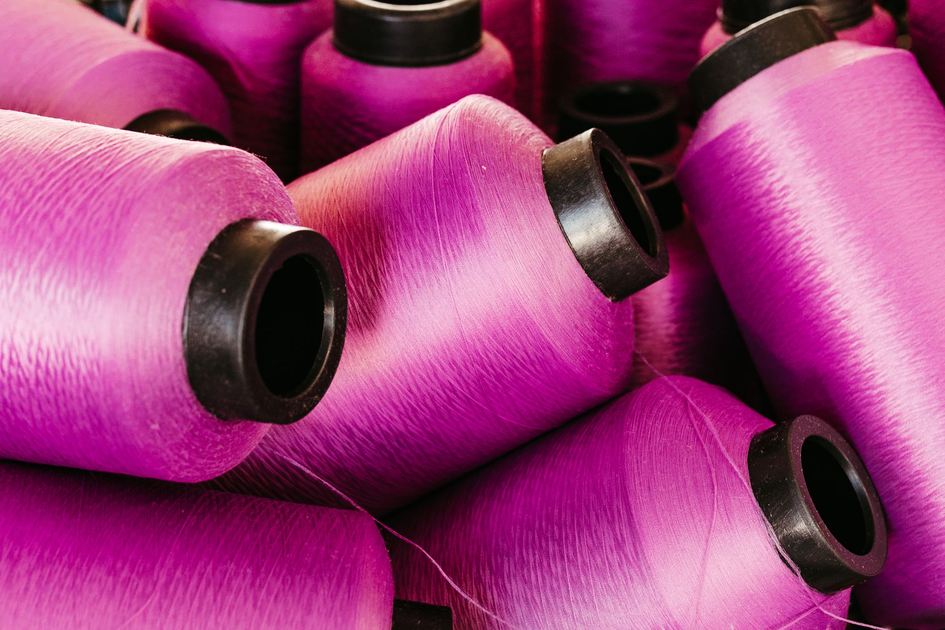
Polyester is everywhere. It is in athletic wear, fast fashion basics, bedding, carpets, and outdoor gear. The synthetic fiber now accounts for more than half of all textile fiber production globally, having grown from a novelty in the 1950s to the dominant material in the clothing industry. But questions about what wearing polyester all day actually does to human health have intensified as microplastics research has expanded and consumers have grown more skeptical about the environmental and personal health implications of synthetic materials.
We asked several environmental health researchers, dermatologists, and toxicologists to assess the available evidence about polyester’s health effects. The answer is more nuanced than either concerned activists or the textile industry would prefer, and it depends significantly on how the polyester is manufactured, worn, and washed.
The Microplastics Problem
The most evidence-based concern about polyester clothing is its contribution to microplastic pollution. Every time a polyester garment is washed, it sheds thousands of microfibers – tiny plastic fragments that pass through most washing machine filters, through wastewater treatment systems, and into waterways, oceans, and ultimately the food chain. Microplastics have been found in human blood, breast milk, and placental tissue in multiple studies, and while the health implications of this body burden are not yet fully characterized, the precautionary principle suggests limiting exposure makes sense.
- A single wash of a polyester garment can release between 700,000 and 2.8 million microfibers, depending on the garment construction and washing conditions.
- Microplastic washing bags – mesh laundry bags that capture shed fibers – can reduce release by up to 86% according to some studies, representing a practical harm reduction measure.
- Older, more worn polyester garments shed more microfibers than new ones as the fiber structure degrades with repeated washing and wearing.
Skin Irritation and Breathability
For most people, polyester worn against the skin is not directly harmful in the sense of causing disease, but it creates conditions that can exacerbate existing skin issues. Polyester does not absorb moisture, which means sweat sits against the skin rather than being wicked away. This moisture accumulation increases the risk of fungal infections, folliculitis, and general skin irritation – particularly in warm climates or during physical activity.
People with sensitive skin, eczema, or psoriasis often find polyester triggers flare-ups more frequently than natural fibers. Dermatologists generally recommend natural or natural-blend fabrics for people with these conditions, particularly for underwear, sleepwear, and garments with direct, prolonged skin contact.
Chemical Treatments and Additives
Beyond the base fiber itself, polyester clothing is often treated with chemicals during manufacturing – anti-wrinkle treatments, dyes, flame retardants, and antimicrobial finishes. Some of these additives are known endocrine disruptors or allergens that can leach from fabric in contact with sweat or body heat. The specific chemical profile of any given garment is typically not disclosed to consumers, making independent assessment of risk difficult.
The Verdict
Polyester is not going to make you sick from wearing a shirt occasionally. The evidence does not support that level of alarm. But the cumulative effects of daily, all-day polyester exposure – microplastic accumulation in the body, skin microbiome disruption, chemical additive exposure – are worth considering, especially for children and people with skin sensitivities. The most practical guidance from health experts: choose natural fibers for items with prolonged skin contact (underwear, sleepwear, workout clothes), use microplastic-catching laundry bags when washing synthetics, and support policies requiring greater transparency in textile chemical disclosure.
Frequently Asked Questions
Is organic cotton better than polyester for health?
For skin contact and microplastics concerns, organic cotton is generally preferable. It is biodegradable, breathes better, and does not shed synthetic microfibers. It has its own environmental footprint from water and land use, but from a personal health perspective it is the more favored choice.

Trust Post Desk
A journalist and editor at TrustPost.org covering world and national news, technology updates and human-interest stories. They check every fact, interview sources in person or online, and aim to deliver clear, accurate reporting. Their work ranges from breaking news to in-depth features and daily newsletters. Outside the newsroom, they follow emerging trends and engage with readers on social media.