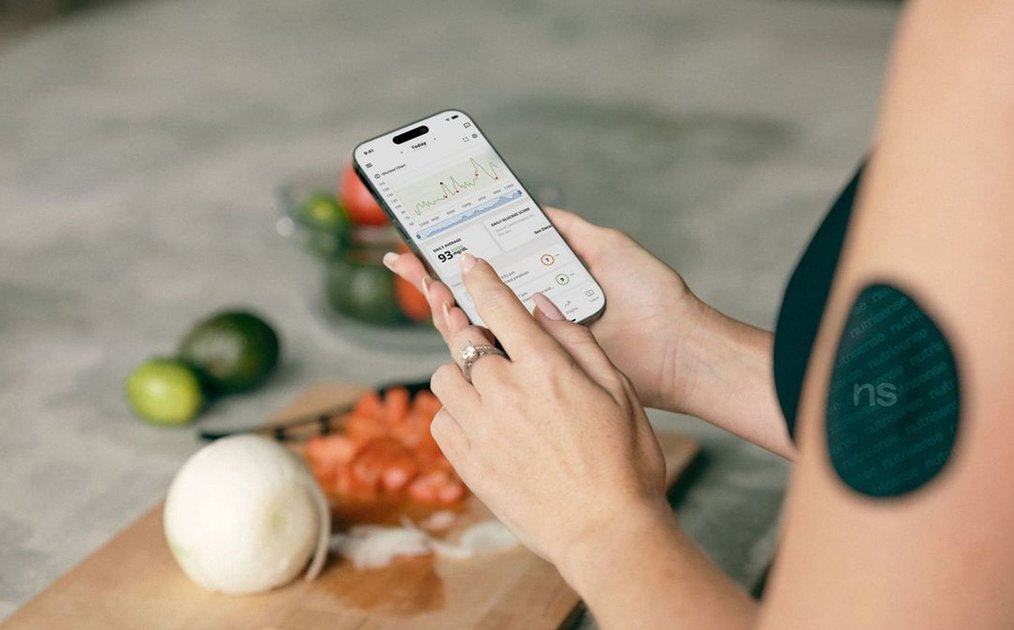
A new generation of nutrition tracking apps powered by artificial intelligence has moved well beyond the manual calorie logging of MyFitnessPal’s early days. The latest apps use your phone camera to identify food from photos, connect to continuous glucose monitors to show real-time metabolic responses to meals, and use large language models to provide personalized nutritional coaching that adapts to your history, preferences, and goals. The question worth asking is not whether these apps are technically impressive – they are – but whether they actually help people eat better in real life.
How AI Nutrition Apps Work in 2026
The most capable current apps combine several AI systems working together. Computer vision models analyze photos of meals to estimate portion sizes and identify ingredients – a task that was barely functional three years ago but has improved dramatically with better training data and more powerful on-device AI. Natural language interfaces let users log food conversationally (“I just had a bowl of oatmeal with berries and a coffee with oat milk”) instead of searching databases manually. And recommendation engines analyze logged data over time to identify patterns – meals that reliably leave you energized, foods that correlate with poor sleep, times of day when you are most likely to make choices you later regret.
- Apps with CGM (continuous glucose monitor) integration – including Levels and January AI – show how specific meals affect your blood glucose in real time, providing feedback that goes beyond calorie counts to metabolic impact.
- Photo logging accuracy has improved significantly but still struggles with mixed dishes, restaurant portions, and culturally specific foods underrepresented in training datasets.
- The coaching layer – AI-generated personalized advice – is most useful when it surfaces patterns the user would not notice themselves from individual meal logs.
The Evidence on Whether They Work
The research on app-based dietary tracking shows consistent results: people who track what they eat, regardless of the specific method, make better food choices and are more successful at reaching dietary goals than people who do not track. This ‘observer effect’ – changing behavior by measuring it – applies to nutrition just as it does to finance and fitness. The AI layer potentially strengthens this effect by reducing the friction of tracking and by surfacing insights that raw data does not make obvious.
The caveat is that tracking adherence falls off significantly after the initial weeks for most users. The most sophisticated AI cannot help someone who stops using the app. Apps that minimize friction – fast photo logging, good food databases for the user’s specific cuisine, integration with fitness trackers – tend to maintain user engagement longer than those requiring manual entry.
Which Apps Are Worth Using in 2026
The space has several strong options depending on your goals and budget. For general nutrition awareness without obsessive calorie tracking, apps focused on food quality scores rather than pure calorie numbers take a less anxiety-inducing approach that suits most healthy adults. For people with specific metabolic goals or health conditions, CGM-integrated platforms offer insights that generic trackers cannot provide. For competitive athletes, apps with detailed macro tracking and meal planning integration with training schedules are the most functional category.
Frequently Asked Questions
Are AI nutrition apps accurate enough to rely on?
For whole foods and common packaged products, accuracy is generally adequate for lifestyle guidance purposes. Restaurant meals and complex homemade dishes introduce more error. Use them as directional tools for pattern awareness rather than precise measurement instruments.
Are nutrition tracking apps safe for people with eating disorder histories?
Many eating disorder specialists advise against calorie-focused tracking apps for people in recovery from or vulnerable to disordered eating. Consult your healthcare provider before adopting any nutrition tracking practice if this applies to you.

Trust Post Desk
A journalist and editor at TrustPost.org covering world and national news, technology updates and human-interest stories. They check every fact, interview sources in person or online, and aim to deliver clear, accurate reporting. Their work ranges from breaking news to in-depth features and daily newsletters. Outside the newsroom, they follow emerging trends and engage with readers on social media.