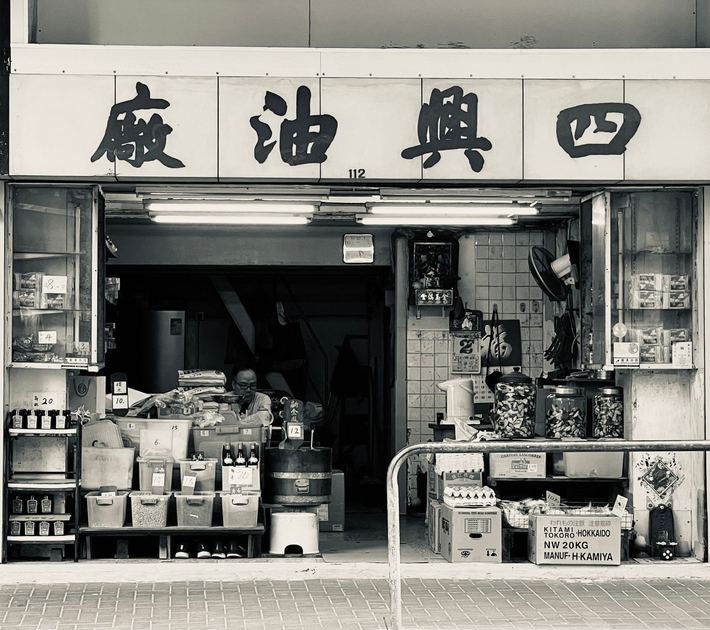
Hong Kong’s restaurant scene is one of the most extraordinary in the world, combining Cantonese culinary mastery that stretches back centuries with the layered influences of British colonial history, immigrant communities from across China and Southeast Asia, and a contemporary restaurant culture that is cosmopolitan, innovative, and deeply serious about food quality in ways that few cities can match at its price density. This guide focuses specifically on the local gems that Hong Kongers themselves patronize – the places where tourist-oriented restaurants are avoided and where the food is prepared for people who have been eating Hong Kong cuisine their entire lives.
Understanding Hong Kong’s Food Culture
To eat well in Hong Kong, you need to understand how the city actually eats. Breakfast is a serious meal, taken in cha chaan tengs (Hong Kong-style diners that blend East and West in ways unique to the city’s colonial history) and traditional dim sum houses where ordering begins when the kitchen opens at 7am. Lunch is often a single-dish affair – a bowl of wonton noodles, a plate of char siu pork over rice, a clay pot dish from a rice noodle shop – taken quickly and efficiently because Hong Kong’s work culture prizes time efficiency. Dinner is where the social eating happens, typically as a group meal shared family-style at a Cantonese restaurant that takes reservations seriously.
The cha chaan teng is perhaps the most distinctively Hong Kongese dining institution. These informal cafes serve a menu that reflects Hong Kong’s colonial hybridity: Hong Kong milk tea (strong Ceylon tea mixed with evaporated milk, served hot or over ice), pineapple buns (a sweet soft bun with a sugary crust that is absolutely nothing like its name implies), egg tarts, macaroni soup, French toast deep-fried and served with butter and syrup, and dozens of other dishes that exist only in Hong Kong and its diaspora communities. A good cha chaan teng is an essential cultural experience, and the best ones are in residential neighborhoods far from the tourist corridors.
- Wan Chai Market and surroundings contain some of the most authentic eating opportunities in Hong Kong – the wet market stalls selling fresh seafood for same-day cooking, the surrounding cha chaan tengs serving the market’s workers and neighborhood residents, and a cluster of old-school Cantonese restaurants that have been serving the same dishes since the 1960s and 70s.
- Sham Shui Po in Kowloon is a working-class neighborhood that has become a destination for food travelers seeking authentic Hong Kong street food and cheap, excellent Cantonese cooking without the tourist markup. The egg waffle (gai daan zai) vendors, Sichuan-Hong Kong fusion restaurants, and noodle shops in this area represent some of the most memorable eating available in the city.
- Dai pai dongs (outdoor cooked food stalls) have been gradually disappearing from Hong Kong through urban redevelopment, but a cluster has been preserved on Cooked Food Centre in Tai Po Market and similar government-maintained market facilities. The experience of eating wok-fried noodles at a plastic table under fluorescent lights while surrounded by locals is quintessentially Hong Kong.
- Yung Kee Restaurant in Central has been serving roast goose and traditional Cantonese banquet cuisine since 1942. It is neither hidden nor unknown, but it represents the gold standard of a specific type of Hong Kong restaurant – the multigenerational family institution whose reputation rests entirely on consistently excellent food rather than trend-chasing.
Practical Eating Tips for Hong Kong
Learn the most basic Cantonese food vocabulary – ‘ho sik’ (delicious), ‘gor dou’ (too many/too much), the numbers one through four for ordering table counts. Even minimal Cantonese demonstrates respect and is met with warmth in restaurants where Putonghua (Mandarin) speaking tourists are sometimes not. Eat breakfast – the 6-10am window at a good dim sum house or cha chaan teng is when Hong Kong food is at its most alive and the wait times are manageable. Bring cash for market stalls and smaller restaurants that don’t accept cards.

Trust Post Desk
A journalist and editor at TrustPost.org covering world and national news, technology updates and human-interest stories. They check every fact, interview sources in person or online, and aim to deliver clear, accurate reporting. Their work ranges from breaking news to in-depth features and daily newsletters. Outside the newsroom, they follow emerging trends and engage with readers on social media.