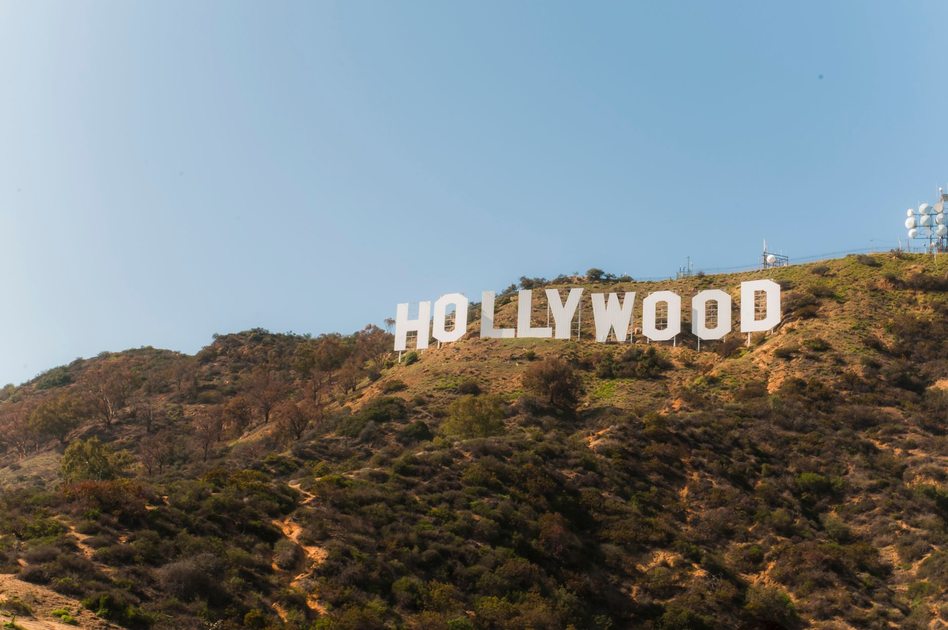
Hollywood’s history is inseparable from its scandals – the entertainment industry’s particular combination of enormous wealth, concentrated fame, physical attractiveness, creative ego, substance availability, and the specific pressures of maintaining public personas that bear little relationship to private realities has produced, since the industry’s earliest days, incidents that shocked the public of their time and continue to fascinate audiences a century later. Understanding old Hollywood scandals requires the dual perspective of appreciating their historical context while not using that context to minimize genuine harm – these events happened to real people whose experiences had lasting consequences that extend beyond their entertainment value to later audiences.
The Silent Era and Hollywood’s First Scandals
The earliest Hollywood scandals emerged during the silent era, when the film industry was consolidating in Southern California and the major studios were establishing both their commercial dominance and the myth of Hollywood glamour. The public’s appetite for information about the stars they were seeing on screen for the first time created the conditions for a fan press and tabloid culture that was simultaneously flattering to stars and invasive – and eventually capable of destroying careers and lives when the gap between the carefully managed public image and private reality became public knowledge.
- Roscoe ‘Fatty’ Arbuckle (1921): The scandal involving comedian Roscoe Arbuckle and the death of actress Virginia Rappe at a Labor Day party in San Francisco resulted in three trials and an acquittal, but permanently ended Arbuckle’s film career despite his legal vindication. The case established an early precedent that public accusation could be commercially fatal even without legal finding of guilt.
- William Desmond Taylor (1922): The unsolved murder of director William Desmond Taylor involved several major stars as persons of interest and exposed the personal lives of Hollywood’s biggest names to scrutiny that the studio system had previously been able to largely prevent.
- The Hays Code era: The establishment of the Production Code in 1934 was partly a response to the scandals of the early sound era and represented a formal industry attempt to regulate both on-screen content and off-screen celebrity behavior through the studio system’s contractual control over its stars’ lives.
The Golden Age’s Hidden Stories
The carefully maintained glamour of Hollywood’s Golden Age (roughly 1930-1960) was built on extensive studio management of public perception, including the suppression of stories about stars’ personal lives, sexual orientations, substance dependencies, and relationship realities that contradicted the wholesome images the studios constructed. Many of the Golden Age’s most significant ‘scandals’ were not discovered until decades later, when the studio system had collapsed and the individuals involved could speak freely or when they had died.
The systematic suppression of gay and lesbian identity among Hollywood stars during the studio era represents the most widespread institutional scandal of Old Hollywood’s history – a system that required performers to live false public lives or face career destruction, and that extracted enormous professional performances from talented people whose personal lives were treated as threats to be managed.

Trust Post Desk
A journalist and editor at TrustPost.org covering world and national news, technology updates and human-interest stories. They check every fact, interview sources in person or online, and aim to deliver clear, accurate reporting. Their work ranges from breaking news to in-depth features and daily newsletters. Outside the newsroom, they follow emerging trends and engage with readers on social media.