The World Health Organization officially declared an end to mpox’s status as a Public Health Emergency of International Concern on Monday, with WHO Director-General Dr. Tedros Adhanom Ghebreyesus announcing that global case counts have declined by 94 percent from their 2022 peak, vaccination coverage in the highest-risk populations across the most severely affected countries in sub-Saharan Africa and among high-risk communities globally has reached protective levels, and national health systems in affected countries have developed sustainable response capacity that no longer requires the emergency coordination framework. The declaration ends a period that began in July 2022 when the outbreak of the Clade II mpox strain that spread globally in 2022 prompted the emergency designation, which was subsequently extended in 2023 to cover the more severe Clade Ib strain that emerged in eastern Congo.
The path from the 2022 emergency to Monday’s resolution involved a series of scientific, logistical, and political challenges that tested global health infrastructure in the aftermath of the COVID-19 pandemic. The rapid global spread of Clade II mpox in 2022 – driven primarily by sexual transmission networks among men who have sex with men in Europe, the Americas, and Australia – was eventually controlled through a combination of targeted vaccination campaigns using the Jynneos vaccine, behavioral change messaging, and improved clinical management of cases. The more serious challenge proved to be the Clade Ib strain in eastern Democratic Republic of Congo and neighboring countries, which showed higher severity, broader transmission routes including heterosexual and household contact, and emerged in a conflict-affected region where health system access was severely constrained. WHO reported that the Clade Ib response required a fundamentally different strategy focused on community health worker networks, mobile vaccination units, and integration with existing health programs in the affected regions.
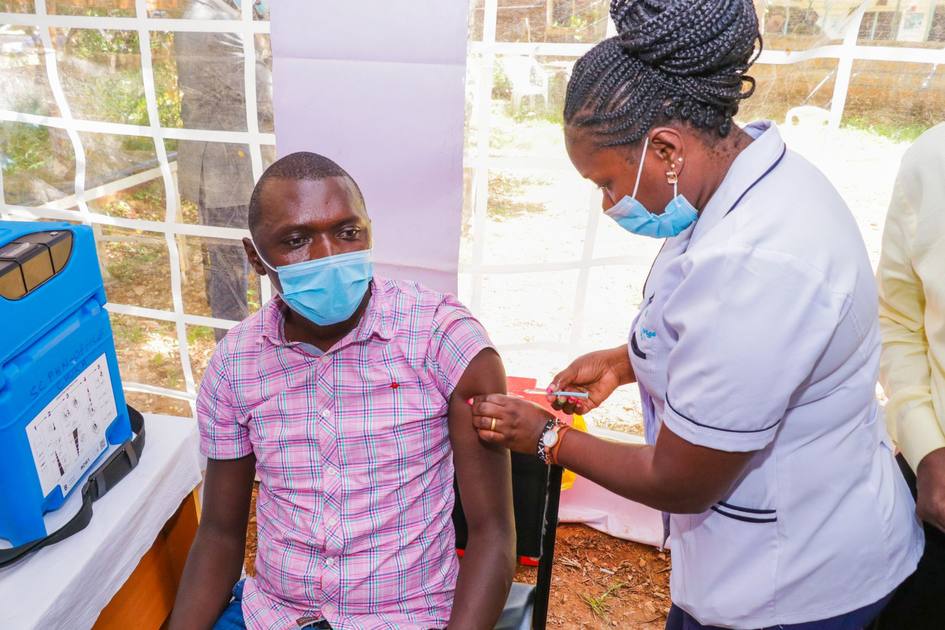
Vaccine access equity was a defining challenge of the mpox response. When the 2022 emergency began, the Jynneos vaccine was available almost exclusively in wealthy countries, with no doses reaching low-income countries in Africa where mpox had been endemic for decades, a disparity that generated significant international criticism and prompted emergency negotiations on vaccine sharing and equitable access frameworks. Healthline reported that by the time of Monday’s resolution, approximately 28 million doses had been administered globally, with approximately 8 million reaching the African continent through a combination of bilateral donations, GAVI alliance procurement, and emergency WHO stockpile allocations – a meaningful improvement from 2022 but one that health equity advocates noted still represented a far smaller proportion of global vaccination than the African burden of disease warranted. WHO used the closing announcement to call for permanent reform of the international vaccine access architecture to prevent similar inequities in future health emergencies.
The end of the international emergency designation does not mean mpox has been eradicated or is no longer a public health concern. The virus remains endemic in parts of Central and West Africa, and WHO officials emphasized that sustained surveillance, vaccination of high-risk populations, and clinical response capacity must be maintained to prevent resurgence. WebMD reported that WHO’s post-emergency transition plan includes a three-year framework for sustained international support to endemic countries and continued monitoring through the International Health Regulations framework. The Clade Ib strain in particular requires ongoing vigilance; while case counts have fallen dramatically from their 2024 peak, the strain remains present in the DRC and neighboring countries and could potentially re-seed international spread if surveillance and vaccination programs are prematurely wound down. Harvard Health researchers involved in the response urged against interpreting the end of the emergency designation as an all-clear and called for sustained commitment to the response infrastructure built over the past two years.

Trust Post Desk
A journalist and editor at TrustPost.org covering world and national news, technology updates and human-interest stories. They check every fact, interview sources in person or online, and aim to deliver clear, accurate reporting. Their work ranges from breaking news to in-depth features and daily newsletters. Outside the newsroom, they follow emerging trends and engage with readers on social media.