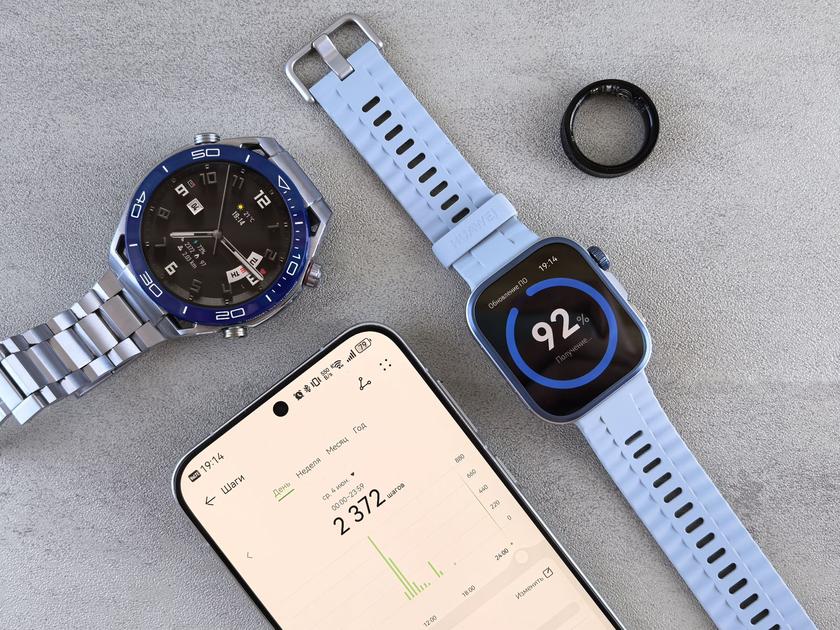
Oura officially launched its fifth-generation smart ring on June 4, 2026, announcing a device it describes as the world’s smallest smart ring and introducing blood pressure signal tracking as a headline feature for the first time in the company’s product history. The Oura Ring 5, which the company unveiled on May 28, begins shipping at $399 for the base Silver and Black finishes, with premium color options including a redesigned Gold, Brushed Silver, Stealth, and Deep Rose available at $499. Available in sizes 6 through 13, the Ring 5 competes for the growing market of consumers who want continuous health monitoring without the visibility and battery management demands of a traditional smartwatch.
The design overhaul that makes the Ring 5 the company’s most significant hardware revision is a 40 percent size reduction compared to the Generation 3 ring, achieved through re-engineering of the titanium chassis and a new sensor architecture that uses twelve signal pathways to deliver what Oura describes as “greater accuracy across more finger types and skin tones.” The sensor dome redesign – moving to a lower-profile layout for better skin contact – is the technical foundation for the expanded measurement capabilities, particularly the blood pressure signals that represent a major addition to the device’s health monitoring suite.
Blood Pressure Signals: What the Oura Ring 5 Can and Cannot Do
Blood pressure monitoring has been the most sought-after missing feature in consumer health wearables for several years, but it is also one of the technically and regulatorily complex capabilities to implement accurately in a form factor worn on the finger or wrist. Oura is characterizing the Ring 5’s capability as “blood pressure signals” rather than a clinical blood pressure reading – a distinction that matters both for regulatory compliance and for setting accurate user expectations about what the data represents.
The signals approach means the Ring 5 tracks photoplethysmography (PPG) data and related physiological indicators that correlate with blood pressure trends over time, rather than delivering the discrete systolic and diastolic numbers that a traditional blood pressure cuff provides. The value proposition is longitudinal trend tracking – identifying patterns over days and weeks that might indicate rising or falling baseline blood pressure – rather than spot-check measurements. Users who need precise blood pressure readings for clinical purposes should still use a validated cuff; the Ring 5’s blood pressure signals are a wellness monitoring tool rather than a medical device. This distinction reflects the broader wellness-to-healthcare continuum that the latest research on preventive health continues to emphasize: consistent low-friction monitoring that captures trends is more useful for behavioral change than intermittent clinical measurements.
Health Radar, Live Activity Tracking, and the 50+ Metrics Suite
The Ring 5 ships with a new software feature called Health Radar that synthesizes the ring’s continuous monitoring data into an integrated view of the user’s cardiovascular, respiratory, and sleep health trends. Health Radar is designed to surface patterns that might otherwise require users to dig through raw metric data, presenting instead a higher-level picture of how key health indicators are trending over days and weeks. The feature is part of Oura’s evolution from a data collection device to a health interpretation platform – the hardware captures the signals, but the value increasingly comes from the software’s ability to make those signals meaningful to non-specialist users.
Live Activity Tracking, another new addition in Ring 5, enables real-time workout tracking that was not available in previous Oura ring generations. The original product philosophy centered on passive background tracking rather than active workout logging, but competitive pressure from Apple Watch, Whoop, and other active monitoring devices has pushed Oura toward supporting explicit workout sessions. The Ring 5 can now track heart rate in real time during exercise, log workout duration and intensity, and incorporate that activity data into the platform’s recovery and readiness scoring models. The combination of passive background monitoring and active workout tracking makes the Ring 5 more versatile than prior generations for users who want a single wearable to cover both their daily health baseline and their fitness training data.
Design and Materials: Titanium, IP68, and Six Finishes
The Oura Ring 5’s titanium construction continues the company’s material philosophy from previous generations, prioritizing durability and biocompatibility over lower-cost alternatives. Titanium is lightweight relative to its strength, hypoallergenic for the vast majority of users, and provides a premium tactile and visual quality that distinguishes the Ring 5 from the wave of lower-cost smart ring competitors that have entered the market since the category gained mainstream attention. The Ring 5 carries an IP68 rating with water resistance rated to 100 meters, making it suitable for swimming, bathing, and most water sports without concern about damage.
The six available finishes – Silver, Brushed Silver, Black, Stealth, Gold, and Deep Rose – give users more personalization options than any previous Oura generation. The updated Gold finish is described as offering a “truer gold tone” than previous versions, while the Deep Rose has been revised to a copper-like appearance that the company says better reflects how users wanted the original color to look. Oura also strengthened the scratch resistance coating on the Ring 5 compared to Generation 3, addressing a complaint from some long-term users that the previous rings showed surface wear more quickly than expected. The combination of smaller size, richer color options, and improved scratch resistance positions the Ring 5 as a significant upgrade for existing Oura users as well as an attractive first smart ring for consumers evaluating the category.
Pricing and What Existing Oura Users Get
The Ring 5’s base price of $399 is unchanged from the Generation 3 launch pricing, maintaining Oura’s positioning as a premium but accessible health wearable rather than a luxury device with correspondingly exclusive pricing. Oura has confirmed that several of the Ring 5’s new software capabilities – including blood pressure signals, live activity tracking, and the Health Radar dashboard – will also roll out to existing Oura Ring Generation 3 users via software updates, a decision that reflects the company’s subscription model (Oura charges a monthly membership fee for access to its analytics platform) and its recognition that locking features to new hardware alone would frustrate a loyal installed base. The growing body of research on the benefits of consistent health monitoring – including the landmark Nature Scientific Reports study showing cognitive improvements from targeted daily habits – continues to drive consumer appetite for wearables that deliver actionable data rather than passive logging. The Ring 5’s expansion into blood pressure monitoring and live activity tracking positions Oura well in a market where the value proposition of health wearables increasingly rests on comprehensiveness and interpretive software rather than hardware novelty alone.

Trust Post Desk
A journalist and editor at TrustPost.org covering world and national news, technology updates and human-interest stories. They check every fact, interview sources in person or online, and aim to deliver clear, accurate reporting. Their work ranges from breaking news to in-depth features and daily newsletters. Outside the newsroom, they follow emerging trends and engage with readers on social media.