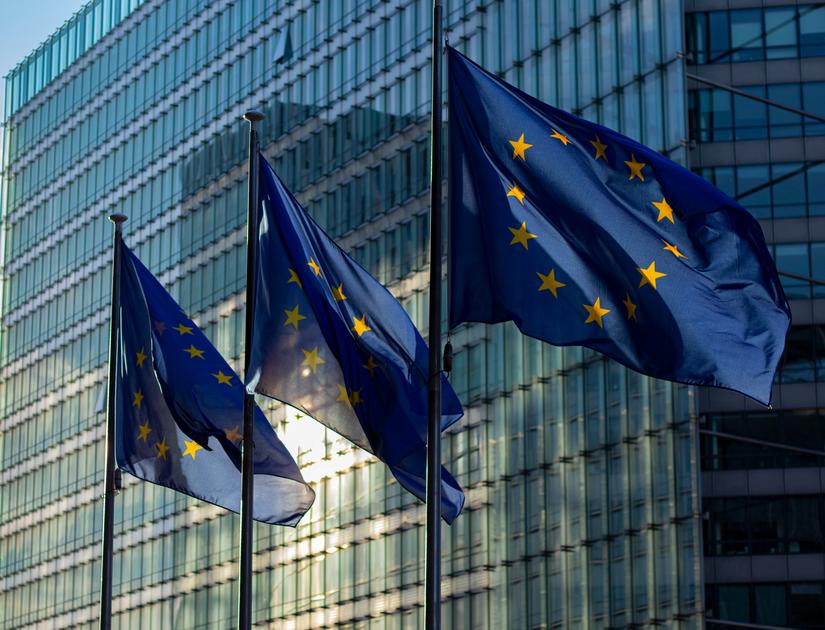
Canadian Prime Minister Mark Carney delivered a major foreign policy speech in Brussels on June 13, 2026.
He described a “global rupture” in the international order. He called on Canada and the European Union to stand together against it.
The address was delivered at the European Council. It was widely covered across European and Canadian media.
What Carney Said in Brussels
Carney argued the post-Cold War liberal order is fracturing. Great power competition has returned. Multilateral trade rules are eroding.
He cited pressure from both the US and China as drivers of protectionism.
The Iran war, he said, has disrupted global energy and shipping systems. That damage ripples through the integrated global economy.
According to CBC News, Carney framed the moment as unlike anything since the Cold War ended.
Canada-EU as Custodians of the Rules-Based Order
Carney positioned Canada and the EU as responsible stewards of the international system.
He said the US under President Trump has intermittently questioned its commitment to that order.
Other potential anchor powers, he argued, lack the democratic values to substitute for diminished US leadership.
Carney used his economic background to frame the stakes. Fragmentation of global trade into competing blocs has real financial costs.
Weaponizing economic ties through tariffs, sanctions, and tech export controls undermines global stability. Canada and the EU both suffer from that instability.
Specific Proposals from the Brussels Speech
Carney put forward several concrete proposals for deepening Canada-EU ties.
- Accelerate full implementation of CETA, the Canada-EU trade deal
- Unlock investor protection provisions stalled in EU member state ratification
- Deepen Canada-EU cooperation on critical minerals supply chains
- Establish a transatlantic clean energy investment corridor
- Channel Canadian LNG and renewable energy to European markets seeking post-Russia energy security
The proposals were detailed and specific. They showed Carney using Brussels as a platform for serious economic diplomacy, not just rhetoric.
Reuters reported that EU officials responded positively to the critical minerals and clean energy proposals.
Context: G7 Evian and the Broader Diplomatic Push
The Brussels speech came just days before the G7 Evian summit.
Evian allowed Carney to translate the bilateral themes from Brussels into multilateral commitments.
Together, the two events established Carney as one of the most active Western leaders on the question of rebuilding the global economic order.
The diplomatic push also connects to broader concerns about global market stability in the face of Iran sanctions relief and trade uncertainty.
Why It Matters
Canada rarely drives the global agenda. The Brussels speech was an exception.
Carney is a former central banker who understands how economic systems can break down. His “global rupture” framing carries weight.
If Canada and the EU succeed in deepening CETA implementation and building a clean energy corridor, it would be a significant counterweight to protectionist pressures from Washington and Beijing.
Politico Europe noted that Carney’s speech was unusually substantive for a visiting leader and generated real policy discussion among EU officials.
Related Articles

Trust Post Desk
A journalist and editor at TrustPost.org covering world and national news, technology updates and human-interest stories. They check every fact, interview sources in person or online, and aim to deliver clear, accurate reporting. Their work ranges from breaking news to in-depth features and daily newsletters. Outside the newsroom, they follow emerging trends and engage with readers on social media.